No Man's Sky became the first game where DLSS 5 impressed even critics of the technology

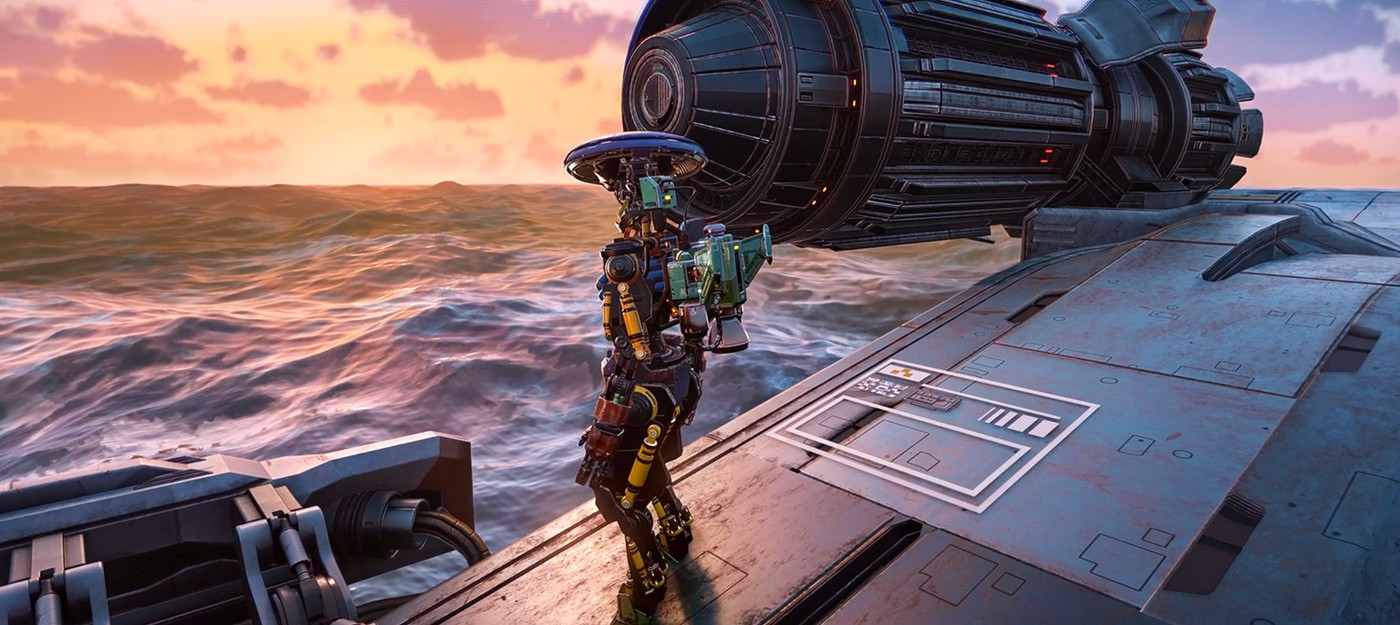
Spanish blogger Oskar1up posted footage of No Man's Sky running with DLSS 5 neural rendering enabled. The reaction turned out to be unexpected for a topic that spent the last week collecting nothing but backlash (though not everything about it has been bad).
A lot of people who previously called the technology a selfie filter ended up admitting the clips looked convincing.
The explanation is pretty simple – neural rendering falls apart on human faces, where the redrawn lighting adds wrinkles, reshapes jawlines, and ages characters by a couple of decades. No Man's Sky simply doesn't have human faces.
The game is made up of landscapes, sky, vegetation, and water – exactly the kind of content this model handles best. Water drew the most praise, with viewers writing about getting dizzy from the waves and how terrifyingly real the ocean looked.
Objections haven't gone away, though, and they mostly come down to art direction. No Man's Sky was built around a distinctly storybook take on sci-fi, with bright colors and soft shapes, while neural rendering pulls up contrast and pushes the image toward photorealism. One commenter compared it to applying the same treatment to Mario.
A gallery of before and after DLSS 5 screenshots from Typical_Claim3932:
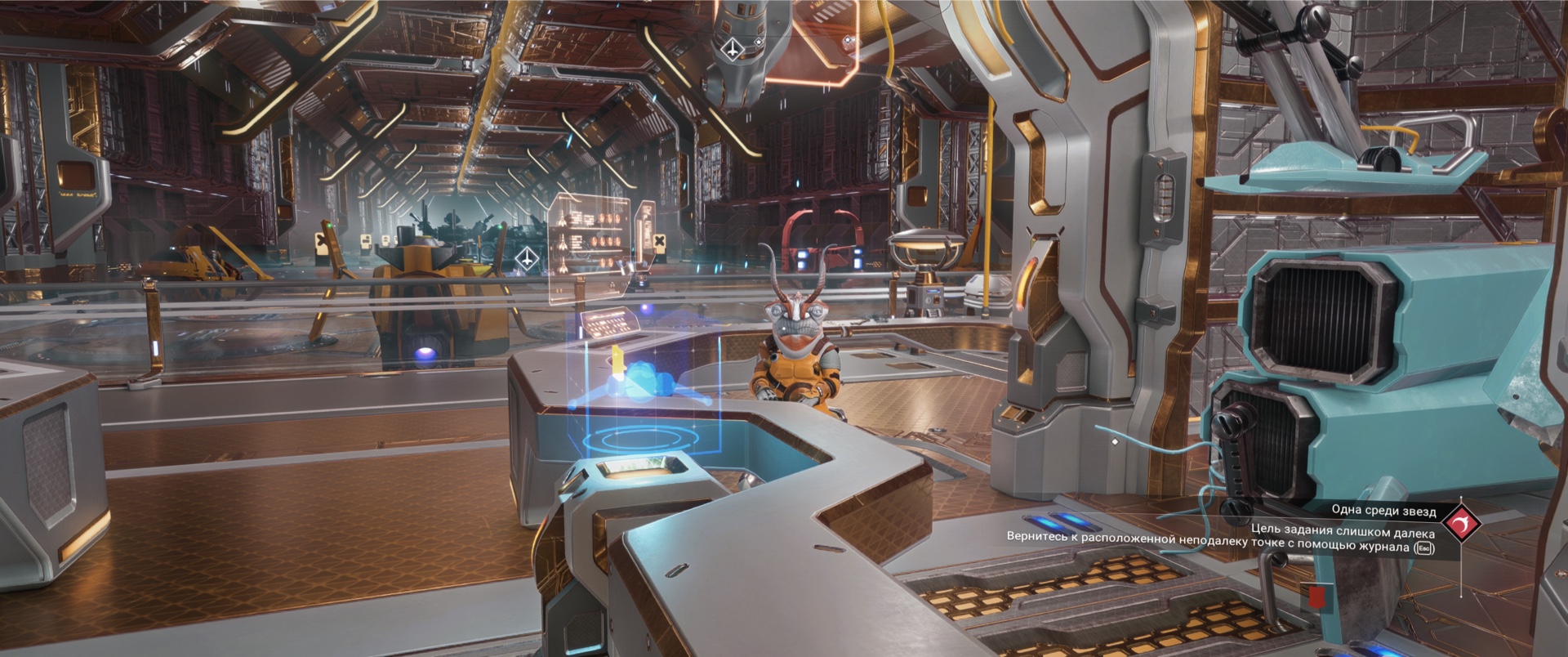
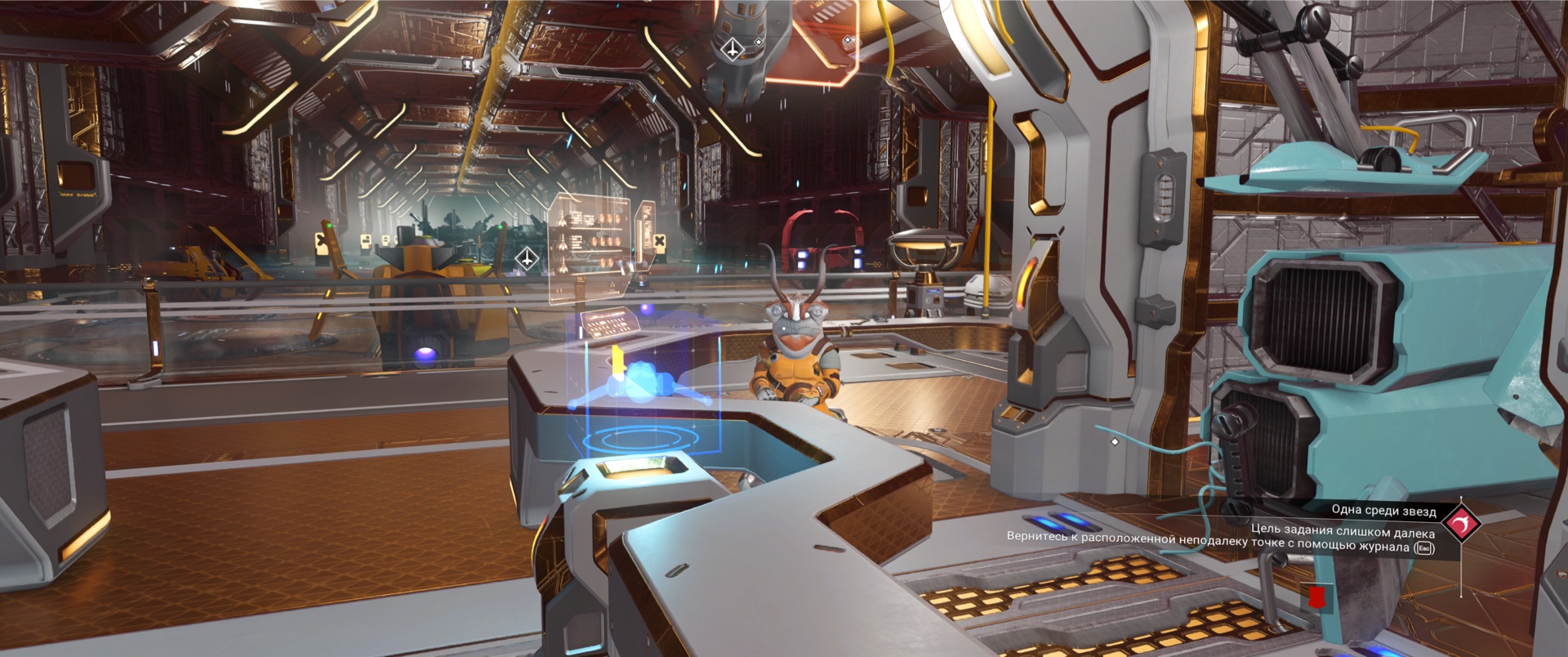
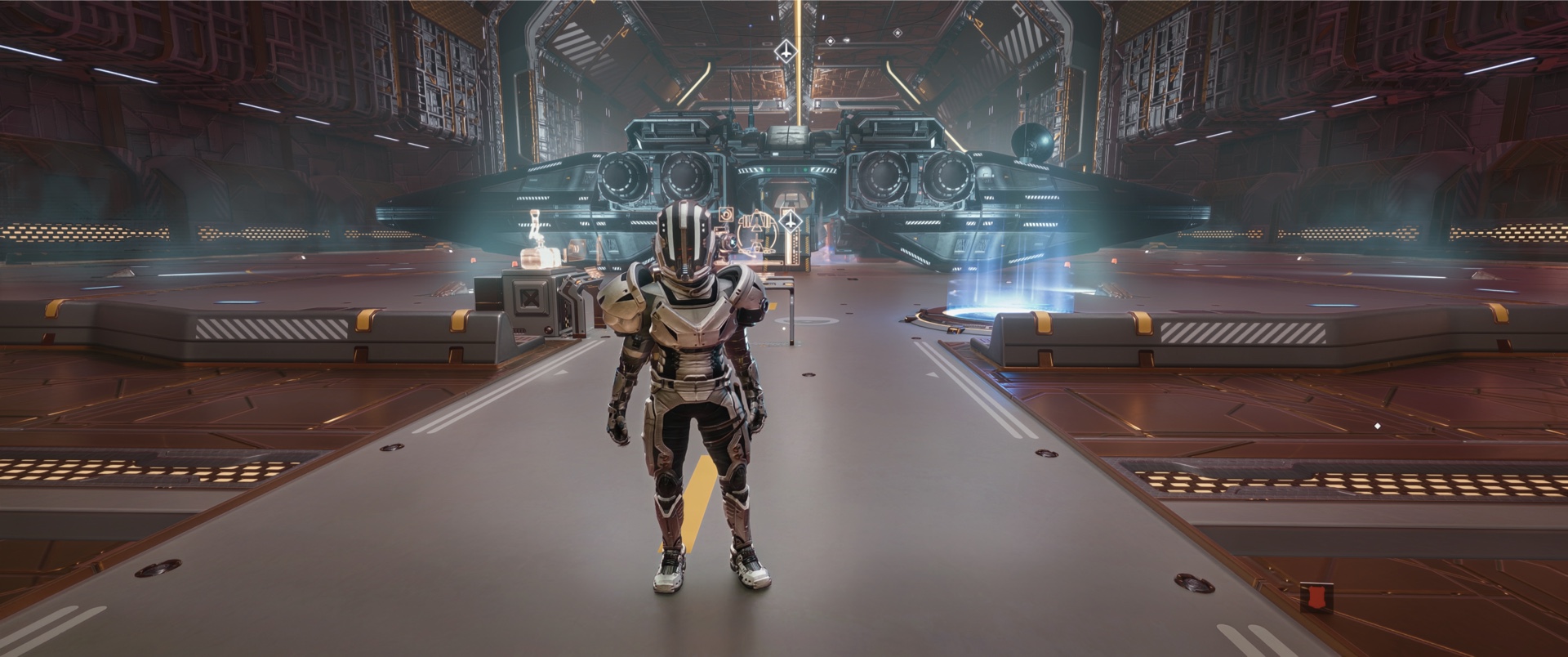
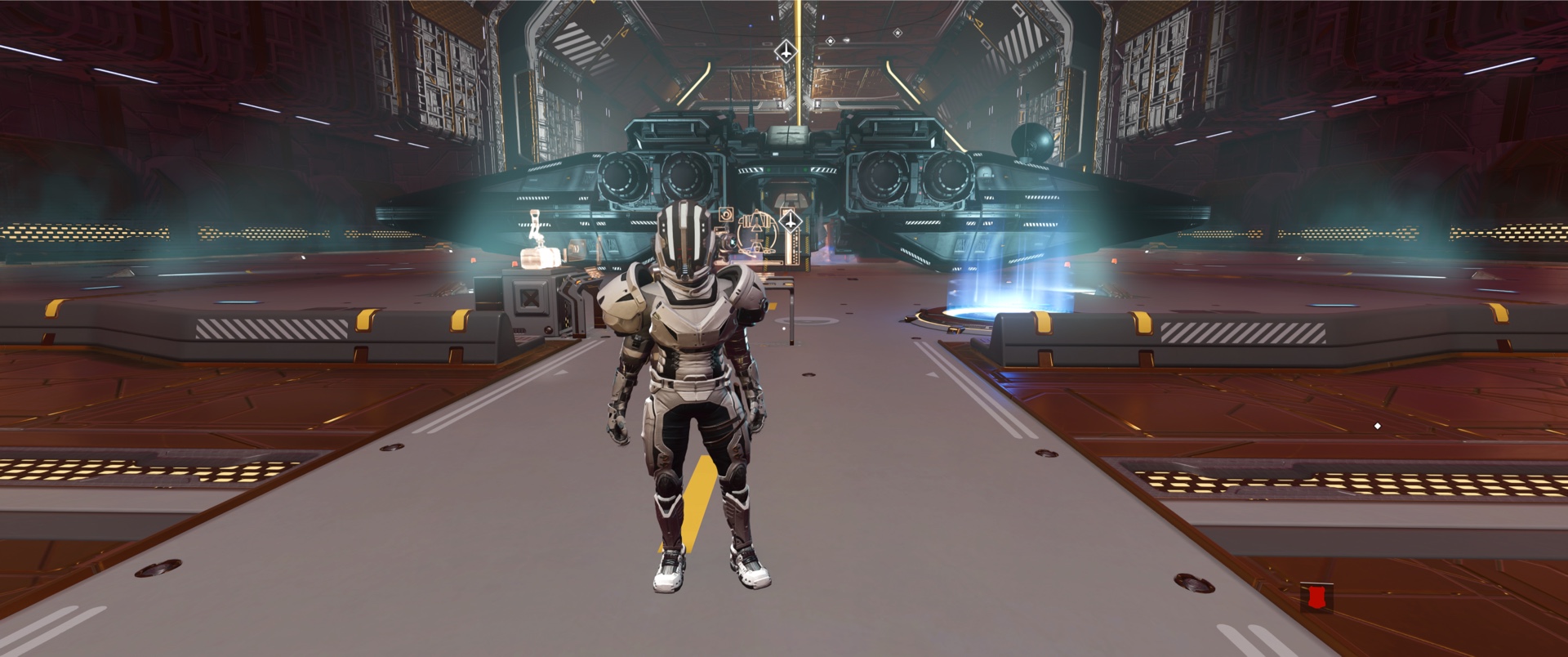
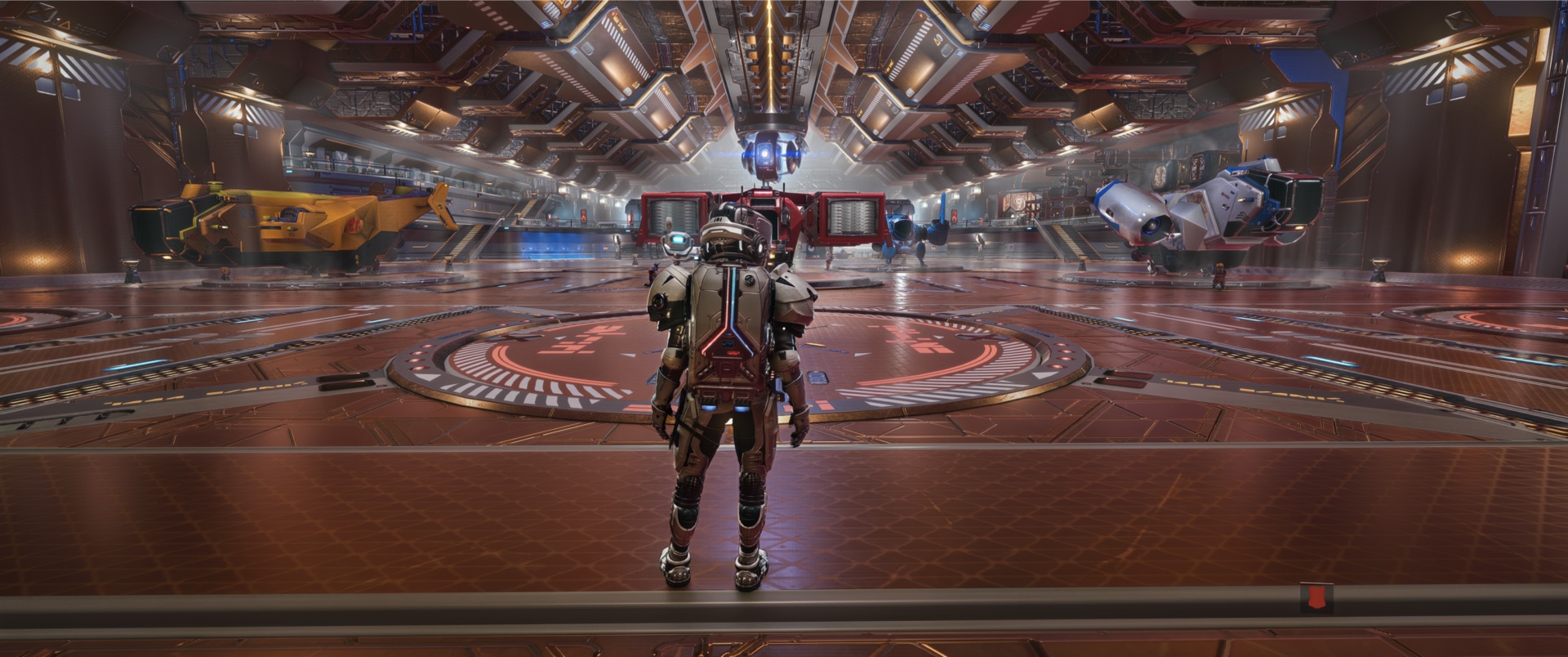
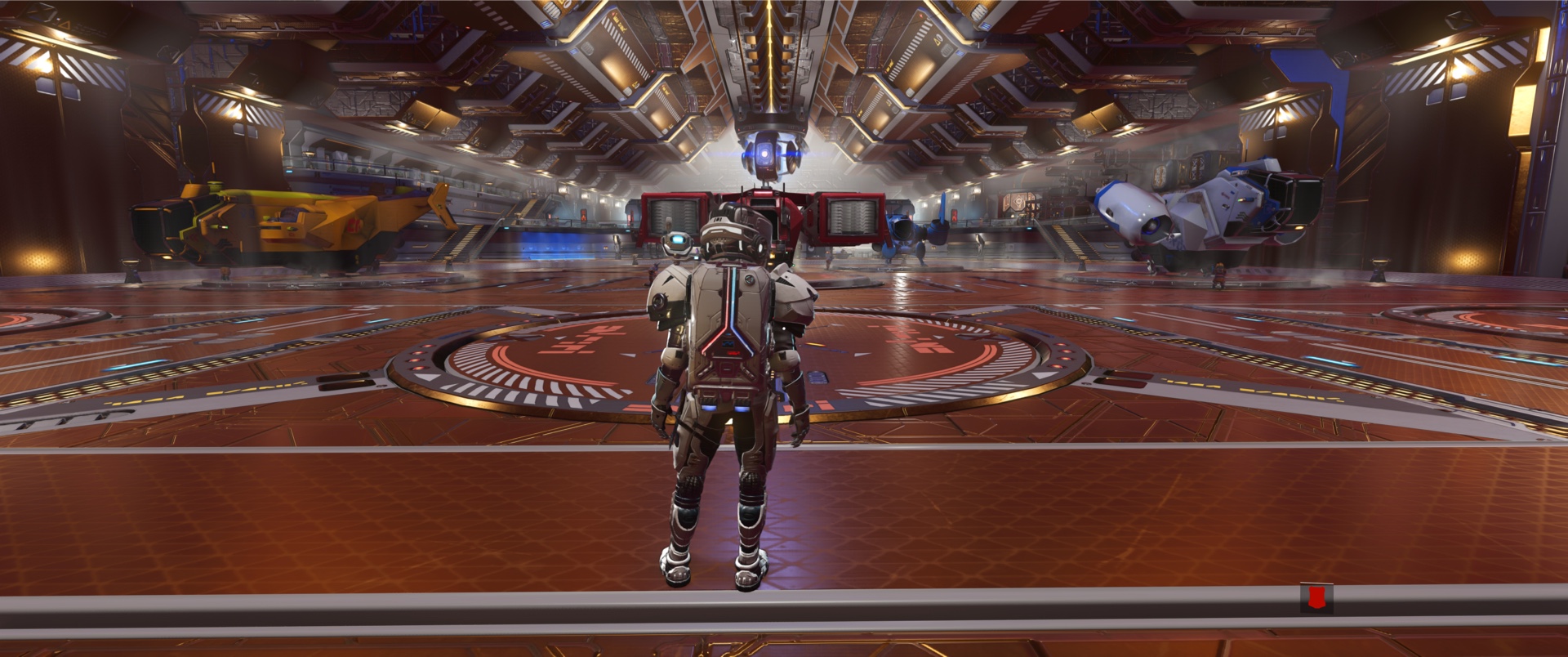
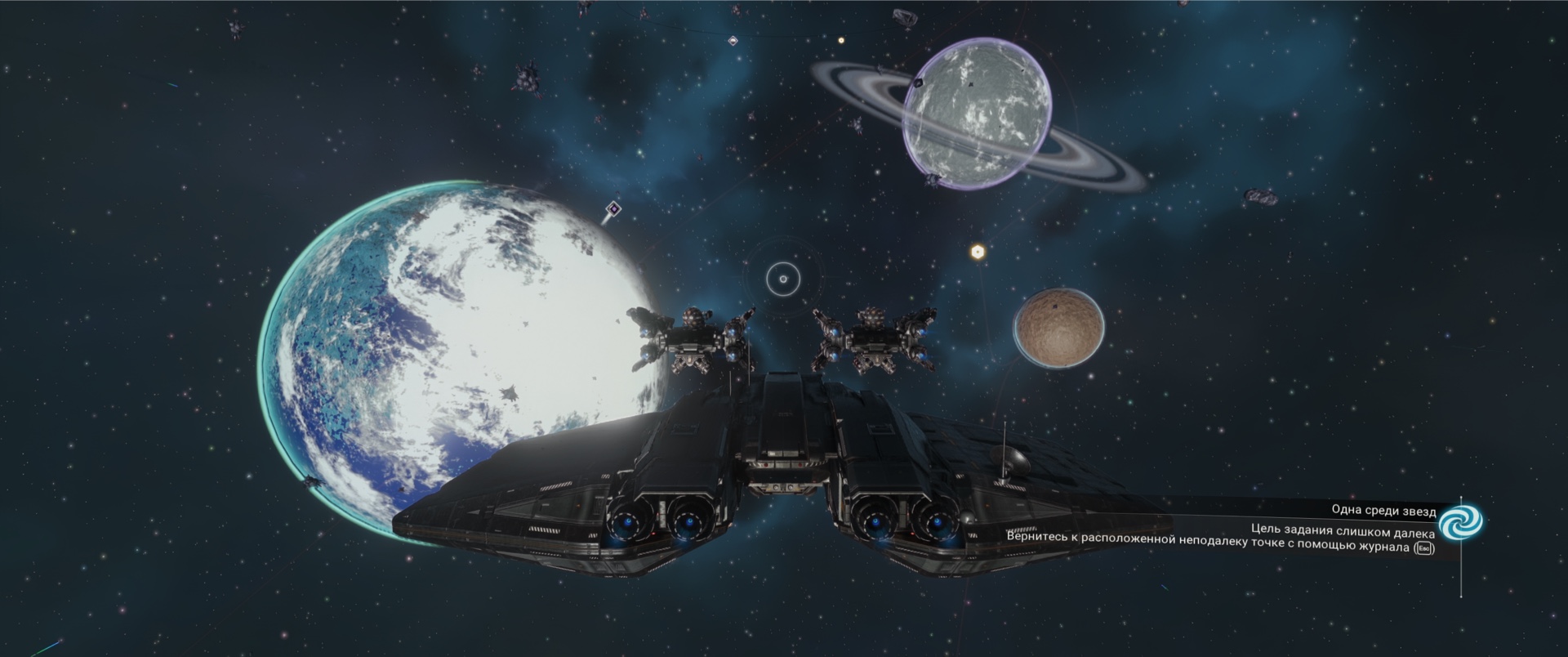
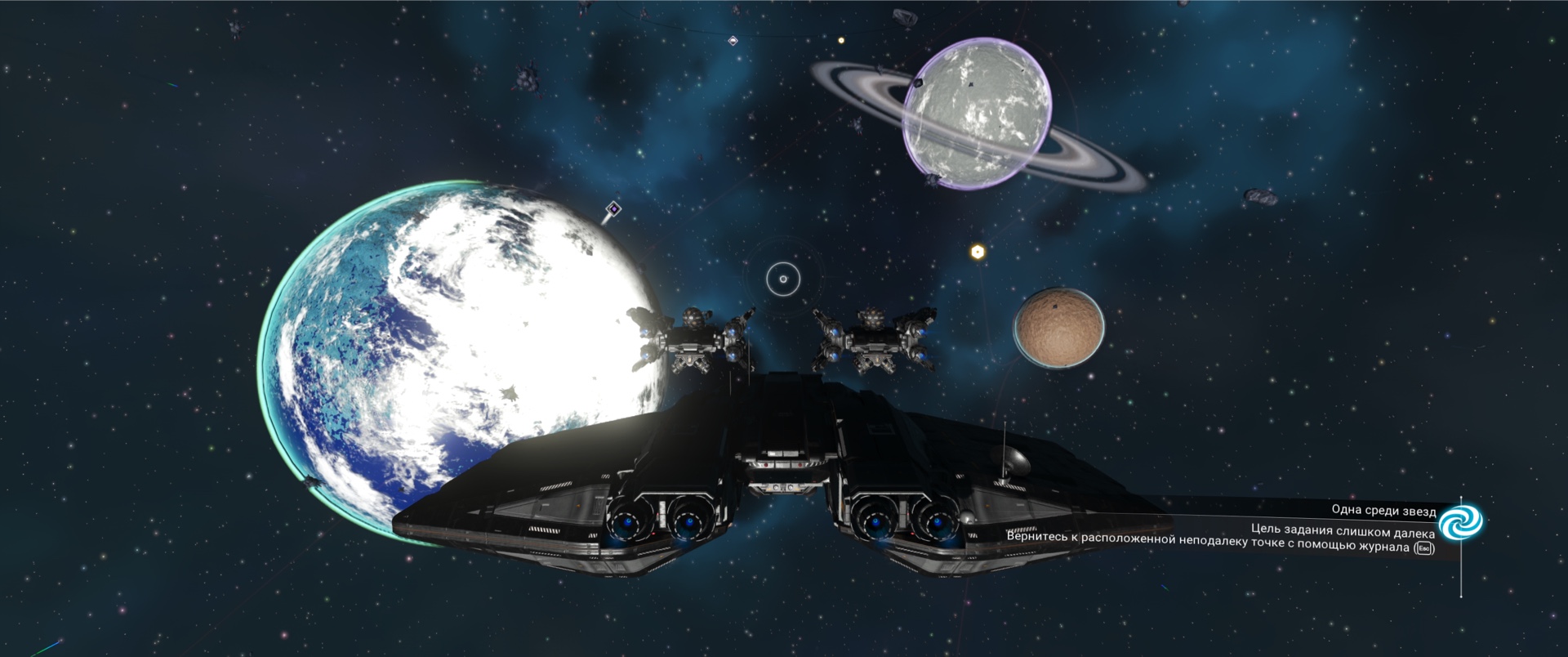
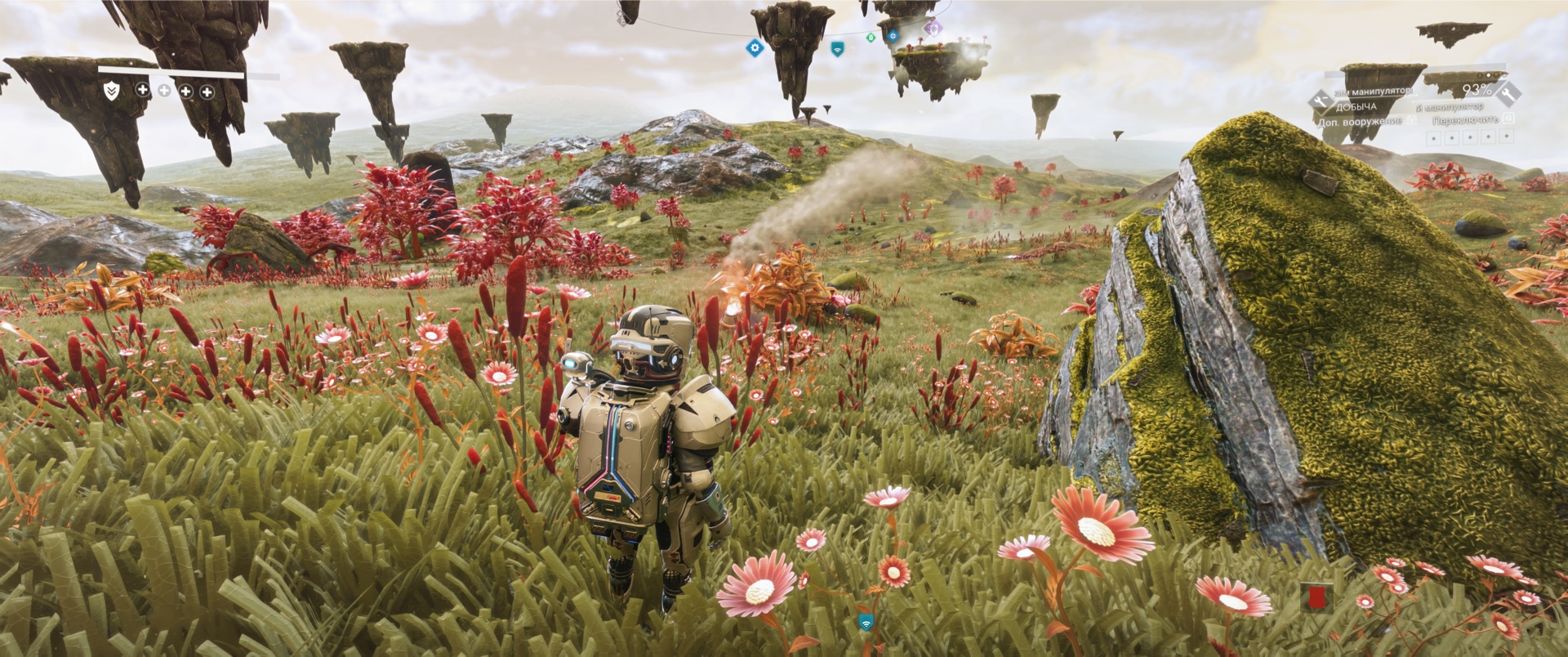
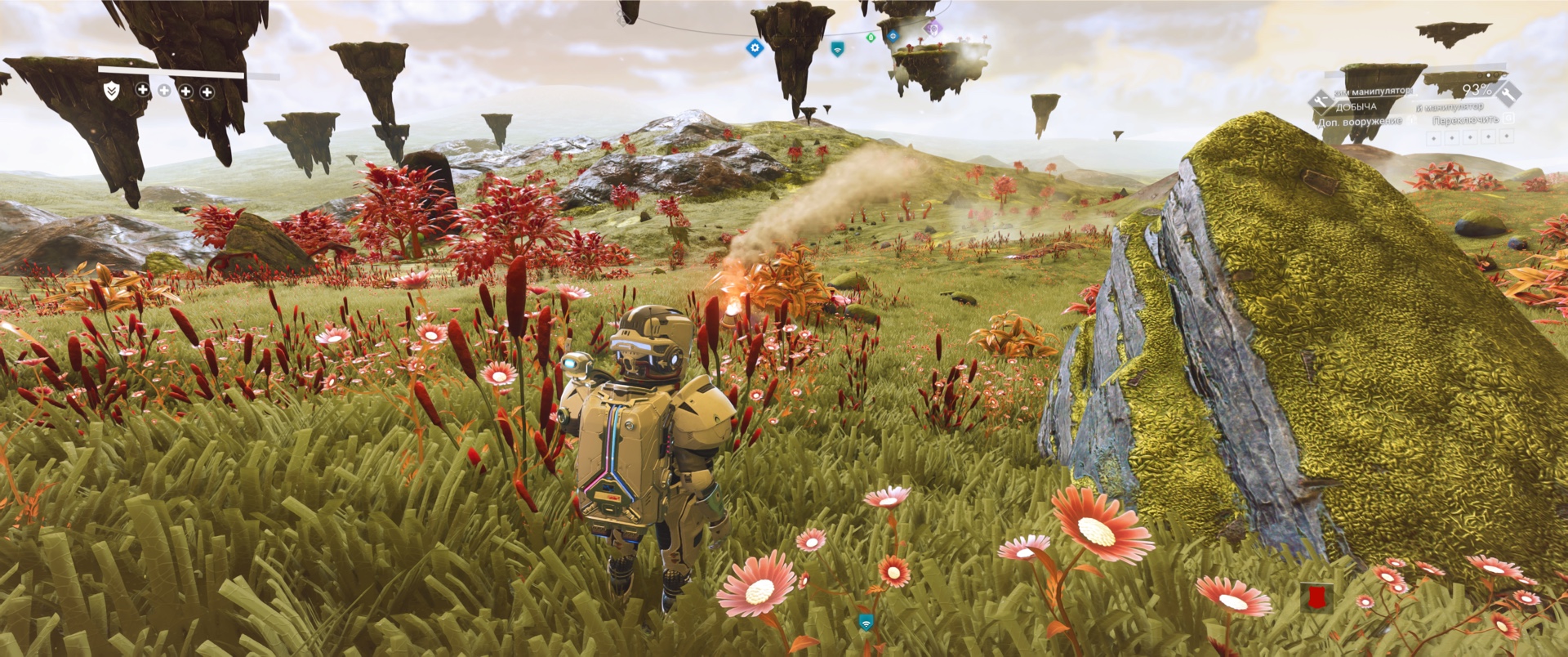
Technically, this is still a mod rather than an official feature. The neural rendering library leaked online from the NBA 2K27 early access build, and the RenoDX community turned it into a ReShade addon. F6 toggles the effect on the fly, while F5 saves a pair of screenshots with and without the processing applied.
The code was originally locked to the Blackwell architecture, meaning RTX 50 cards only. A developer going by Uncle Burrito swapped out the CUDA binaries for ones compatible with Ada Lovelace, giving RTX 40 owners access as well. On older cards like the RTX 3080, frame rates drop into single digits.
The performance cost stays steep even on top-tier hardware. RTX 5090 and RTX 5080 lose more than half their frame rate the moment the effect kicks in, while the RTX 3060 puts out anywhere from 3 to 20 fps in testing. Lowering the appearance sliders does nothing for performance either, since the model still runs a full pass regardless – there's no lightweight mode available.
Frame generation keeps working through all this and partially masks the drop. If the image starts flickering, that's usually the first sign to turn it off.
Oskar1up promised a more detailed follow-up later with settings and comparisons.