An enthusiast launched an open database of coil whine — video cards, power supplies, and water cooling pumps are being added to it

Almost everyone who has built a PC themselves has run into this at least once – you install a new graphics card, your favorite game finally hits a high frame rate, and then a strange high-pitched whine starts coming from the case. This phenomenon is called coil whine, and it doesn't stop at graphics cards.
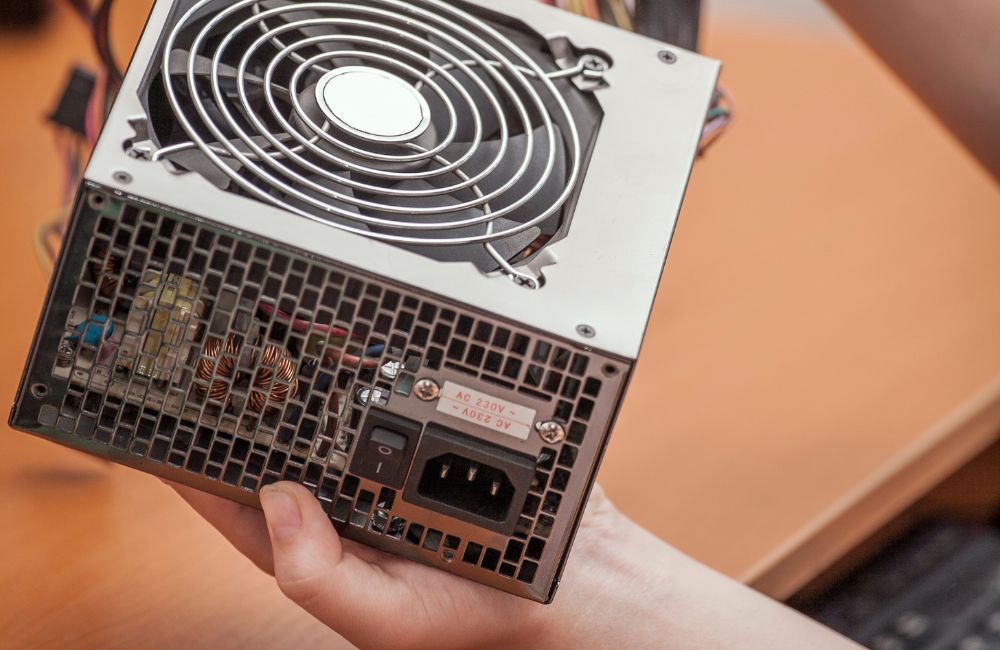
Power supplies, pump-based AIO coolers, and plenty of other electronics can make the same sound. Price doesn't guarantee silence, which is what pushed Lowell K. Wood IV, known online as iBlessi, from TechFuelHQ to create a community-powered database of coil-whining parts.
The project collects user reports and openly flags the main methodological problem with surveys like this. Annoyed owners report the issue readily, while those whose gear stays quiet usually stay silent too, skewing the stats toward the negative.
That's exactly why the database creator specifically asks for reports on quiet units as well, given the natural tendency that "annoyed owners over-report and silent units under-report." Wood suggests treating the published coil-whine percentage for any given model as a ceiling rather than an actual probability estimate.
A simple example – 20 complaints about whine and 20 reports of silence doesn't mean half of all units produced are noisy. The database won't even show a verdict for a given model until at least five reports come in.
The effect itself is a vibration-induced noise that occurs in components switching states at high frequencies. Physics says low frequencies travel farther, but human hearing is most sensitive to the mid-range.
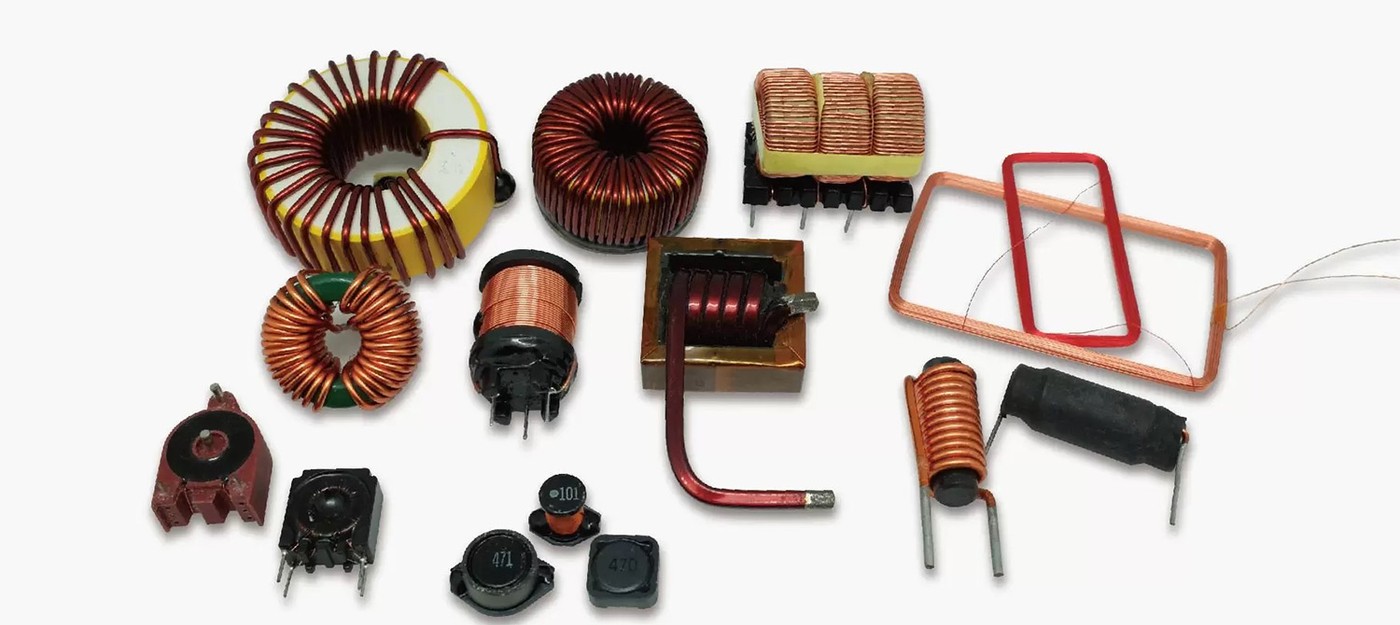
That's why a whine with a technically low decibel level can feel unbearable – the same reason a crying baby sounds louder than any other noise in the room. The term comes from inductor coils, where wire is literally wound around a core, but today it's also applied to transformers, chokes, and ceramic capacitors that behave in a similar way.
The Coil Whine Database will start producing meaningful results as data piles up, and the source is publicly available on GitHub.