According to Sony's lawyers, any reasonable buyer understands that digital PlayStation games are not owned by them

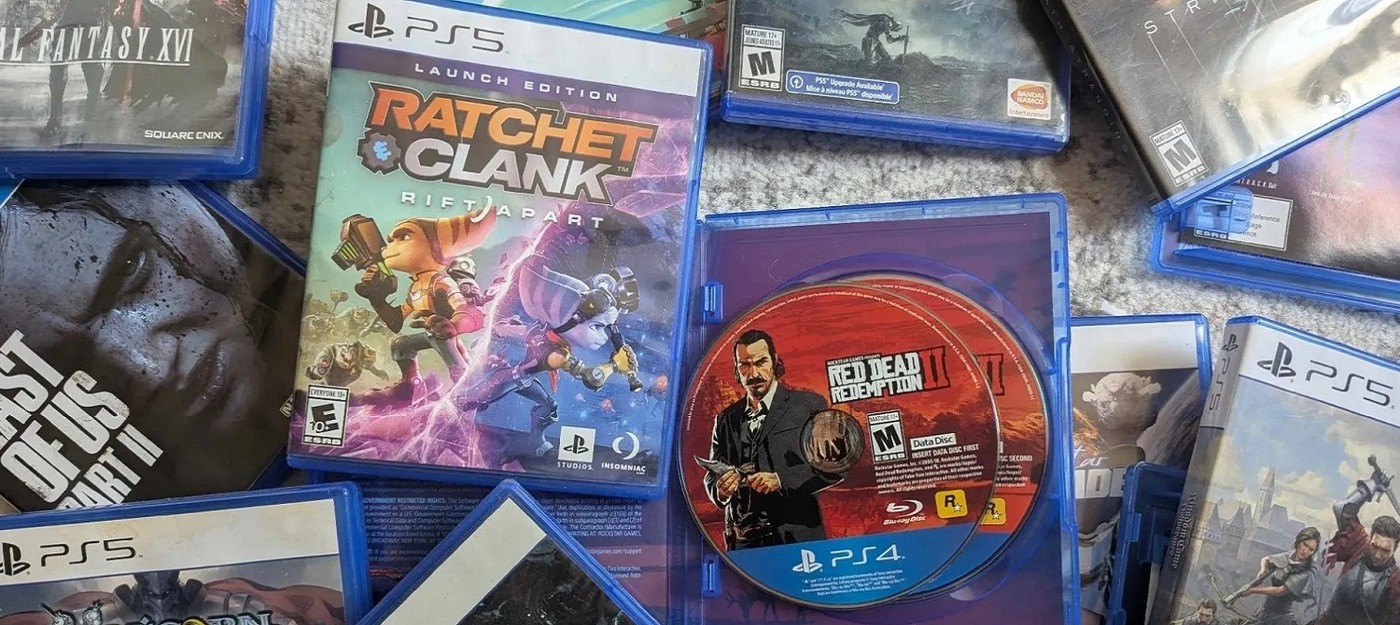
Sony has landed in the middle of a legal fight where the company's own lawyers argue that PlayStation customers who buy digital games never actually own them, and that no reasonable person should think otherwise. The stance came in response to a proposed class-action lawsuit filed against the publisher in California's Northern District.
The case has become especially relevant given the industry's slow move away from physical games. With fewer discs and cartridges in circulation, the question of what rights buyers actually have when they purchase a digital copy carries more weight than ever. According to a Game File report citing an August 21 filing, Sony's lawyers insist that the current terms of service already make the situation clear and that customers aren't being misled.
The lawsuit centers on a California law requiring digital storefronts to give a "clear and conspicuous" warning that customers are buying a license to use a product rather than the product itself. Sony's terms of service and its software product licensing agreement (SPLA) do contain language along these lines, stating that buyers "do not own the product" and that games are "not sold for you to own." The catch is that these lines sit buried deep inside lengthy legal documents, making the claim that they satisfy the "clear and conspicuous" standard pretty shaky.
From there, Sony argument takes an unexpected turn. The filing states:
As Plaintiffs admit, Section 1 of the SPLA likewise explains that 'The Software is licensed to you, not sold.' This makes sense. In the digital age, it is not plausible to allege that reasonable consumers believed they were obtaining 'ownership' of a digital game.
In other words, Sony's lawyers claim that if customers truly owned their digital games, only one single copy of a game like GTA 6 could ever exist. To back this up, they pointed to an example straight from the lawsuit itself: plaintiff Edward Heycock would not have been able to buy Resident Evil Requiem on February 25 for $69.99 from the PlayStation Store if another plaintiff, Jason Mendoza, had already bought the same game on February 14 – because in that scenario, Mendoza, not Sony, would be the one who owned it.
These arguments landed in court just before PlayStation sent out emails reminding customers that they don't own the content they buy. Given the timing, Sony appears to be reinforcing the same message on two fronts at once – in the courtroom and directly to its user base.
Sony's terms of service also include a clause barring users from joining class-action lawsuits against the company. Instead, disputes are supposed to go through private arbitration, a process that traditionally favors large corporations over individual plaintiffs. Whether that arbitration clause actually applies here is still up to a judge to decide. All of Sony's current arguments are aimed at pushing the case into arbitration, though it's unclear yet whether the court will agree.
- After PlayStation's claims that games don't belong to buyers, disappointed fans compiled a list of 34 examples where Sony said otherwise
- Sony agreed to pay almost $8 million to gamers as part of a lawsuit over PS Store monopoly
- Companies are abandoning discs because factories no longer produce drives – they are only needed for consoles