After PlayStation's claims that games don't belong to buyers, disappointed fans compiled a list of 34 examples where Sony said otherwise

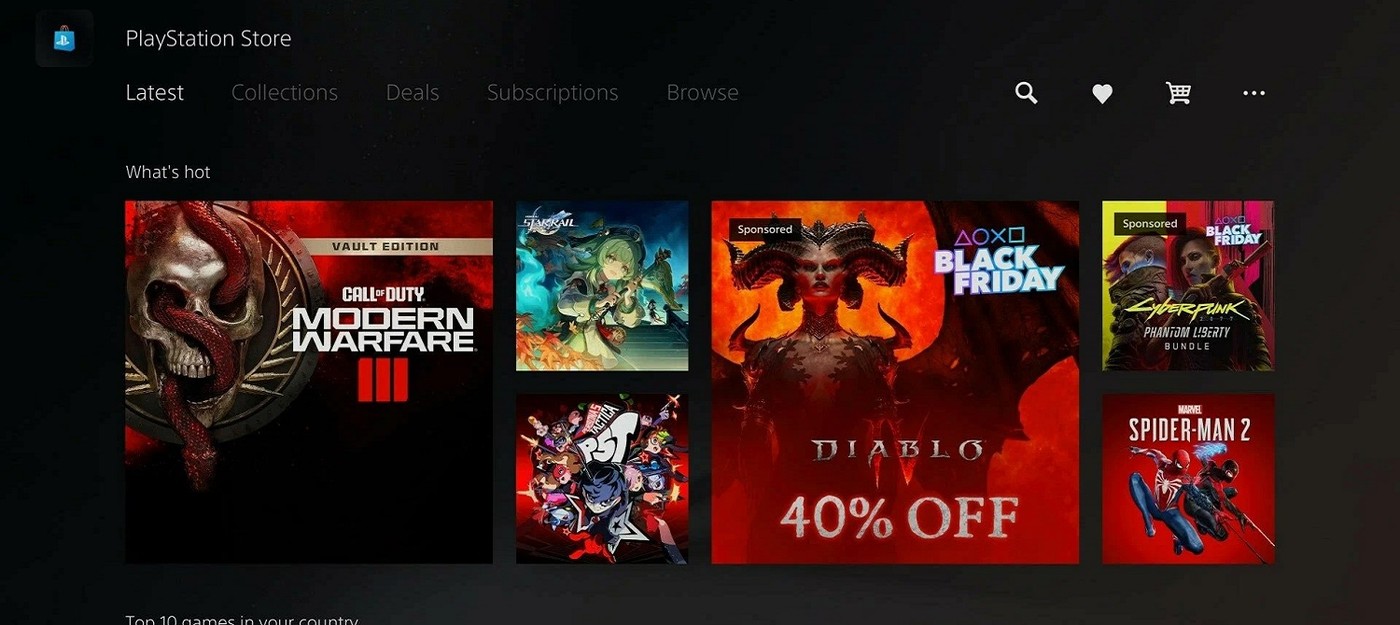
Sony is facing a class action lawsuit claiming that PlayStation Store language misleads users about what they're actually buying. The company insists digital games are licensed rather than sold, even though the PlayStation Store interface has used words like "buy" and "own" for years. PlayStation fans have taken it upon themselves to dig into this contradiction.
Consumer rights group Consumer Rights Wiki has updated its page dedicated to the "Sony PlayStation digital game ownership lawsuit." The case hinges on California's AB 2426, a law requiring digital vendors to clearly tell consumers they're purchasing a license, not a product. Valve noticeably adjusted its own storefront language after the law passed in 2024.
In its official response to the lawsuit, Sony argued that "reasonable consumers would not be misled" by its terms. That argument looks especially odd given that PlayStation users recently received an email reminder stating "software is licensed to you, not sold."
Sony terms of service do clearly spell out the licensing model. But the PlayStation Network itself, where users actually make their purchases, is packed with language about owning digital games. That includes product listings on the PlayStation Store as well as dozens of help pages, which Consumer Rights Wiki contributors have compiled into a single list with links to both live and archived versions of each page.
For example, the explainer on how to "Upgrade an eligible PS4 digital game on a PS5 console with a disc drive or PS5 Digital Edition console" specifically states that users need "an eligible digital PS4 game you already own."
On the main UK PS5 hub, now flagged with a warning about Sony phasing out physical games starting January 2028, the company writes:
Track your PS5 journey with info on your total play time, games you own and more.
That line sits below a section showing off the disc drive and digital-only PS5 consoles, though it's a less direct reference to digital games specifically.
A typical PlayStation Store DLC description, in this case for a $2 costume from Dead or Alive 5: Last Round, notes:
This costume was previously distributed by some retailers as a gift with purchase of DOA5LR. Be careful not to purchase content you already own.
Upgrade pages tell a similar story. The description for the Final Fantasy 7 Remake upgrade for PS4 version owners reads:
You are eligible to receive a free PS5™ digital version of FINAL FANTASY VII REMAKE at no extra cost if you already either (i) own a PS4™ digital version of the game or (ii) own a PS4™ disc version of the game and also own a PS5™ console with a disc drive (you must insert the disc each time you wish you to download or play the PS5™ digital version of the game).
The language references a "digital application or game" as something owned.
It's hard to get more digital than cloud streaming, yet the explainer for how PS5 Cloud Streaming works notes:
Select games that you own can be streamed direct to your PS5 console or PlayStation Portal.
The list goes on, with 34 examples total of PlayStation pages referencing, in some form, players "owning" games – many of them directly tied to digital copies.
On the surface, this looks pretty clear-cut, since AB 2426 bars sellers of digital goods from advertising or offering them using words like "buy," "purchase," or any other term a reasonable person would understand as conferring unrestricted ownership over a digital good, unless it's paired with a time-limited rental option.
The law does carve out exceptions, though:
the seller obtains an affirmative acknowledgment from the buyer at the time of each transaction confirming they understand the licensing terms
or the seller provides the consumer with a clear and conspicuous notice before completing each transaction, covering the conditions set out in the law
that notice must use plain language and include a link or embedded text with more detailed terms
This is likely where Sony will build its defense, arguing that the terms users agree to cover any store purchases – and the company legal stance so far hints at exactly that strategy. Sony has also floated a fairly odd argument, claiming users can't own digital games because doing so would mean only one non-fungible digital copy could exist. In practice, though, the company appears to be angling to push the case into arbitration, where disputes get resolved outside of court and historically tend to favor large corporations.
- Court dismissed $341,000 lawsuit against Nintendo over denial of Pokémon professor status
- Sony agreed to pay almost $8 million to gamers as part of a lawsuit over PS Store monopoly
- Court allows Take-Two to obtain personal data of Discord users who may be involved in the GTA 6 leak