Why the Power Armor in Fallout Was Translated into Spanish as Servo Armor

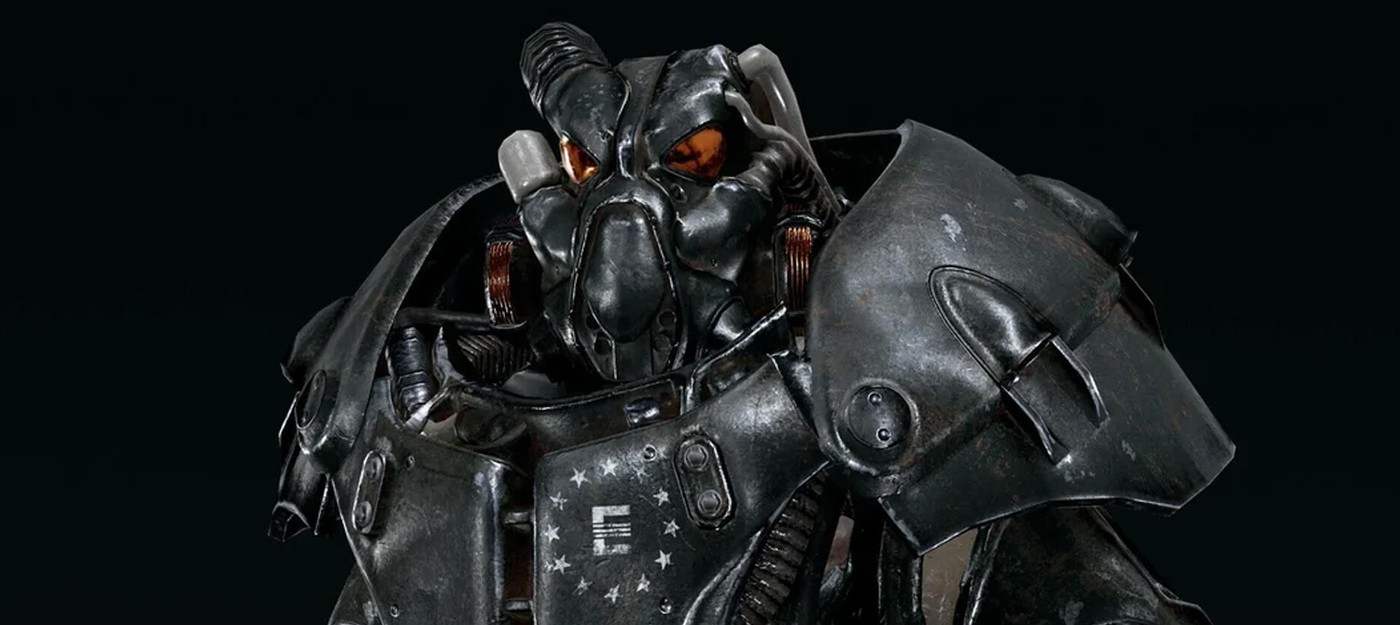
Localizing science fiction isn't really translation – it's more like inventing names from scratch. A term that sounds mundane and technical in English can easily turn into pompous nonsense straight out of a kids cartoon when translated word for word, forcing localizers to choose between sticking to the letter or preserving the feel.
With Fallout power armor, Spanish localizers went with the feel and ended up with a word plenty of fans like better than the original.
In the Spanish versions of the series, the armor is called "servoarmadura," literally "servo armor." A direct translation like "armadura de poder" gets ruled out for two reasons: it's clunky and sounds like something out of He-Man. On top of that, the English word "power" here doesn't mean "power" as in authority – it means "powered," and Spanish doesn't have a neat one-word equivalent for that meaning.
Where an English speaker says "power," a Spanish speaker is more likely to say electricidad or luz, and "electric armor" just sounds flat. Like something from the earliest Tony Stark comics.
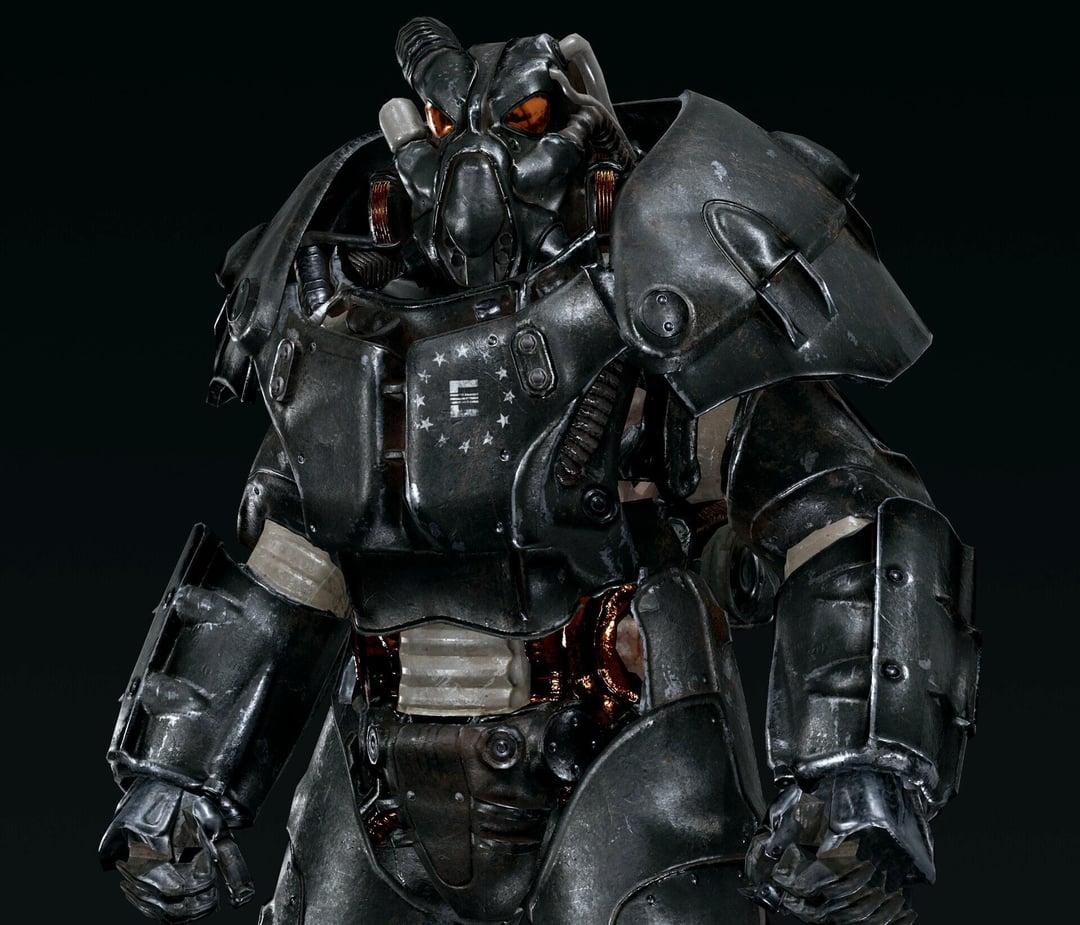
The name isn't pulled out of thin air, either – it actually describes the construction more precisely than the original English term does. Servo motors in the joints are exactly what let the armor amplify the wearer strength instead of just wrapping them in metal.
Fallout 2 description of the advanced power armor directly mentions "motion-assist servo-motors," Fallout 4 has Sturges walk the Sole Survivor through how T-45 works, and the Brotherhood of Steel in Fallout 3 and New Vegas flat out tells recruits during training that the suit does most of the work – you're piloting it more than wearing it.
Proctor Ingram, who lost her legs, uses a power armor frame instead of a wheelchair – a pretty clear illustration of who's actually carrying whom here.
The term also has history outside the games. "Servoarmadura" showed up in Spanish sci-fi translations long before Fallout existed, and in the nineties the Spanish edition of Warhammer 40,000 picked it up for space marine armor.
By the time the games needed localizing, it was already an established, recognizable term, so Bethesda translators just kept the tradition going instead of reinventing the wheel.
Other languages took their own routes, and the results are just as interesting. The Italian localization calls the armor "armatura atomica," atomic armor, putting the focus on the nuclear batteries – short, bold, and fitting for the fifties retro-futurism the whole series runs on.
The French went with "armure assistée," assisted armor, highlighting the suit tool-like nature. Germans settled on the straightforward "Powerrüstung," even though the same armor in German Warhammer is called "Servorüstung."
Russian "silovaya bronya" (power armor), by comparison, lands somewhere in the middle – not as technical as the Spanish version, and not nearly as boldly retro as the Italian one.
- An artist is recreating Fallout TV show scenes in the style of the classic games, and the results are uncanny
- A first-time Fallout player found 10,000 caps in the first hour – and it's not a bug, it's a rare Luck 10 event
- Most of the original Fallout's dark humor was added just to make co-creator Tim Cain laugh