Low-quality Chinese animated film Niu Lai grossed $2.5 million on a budget of around $200

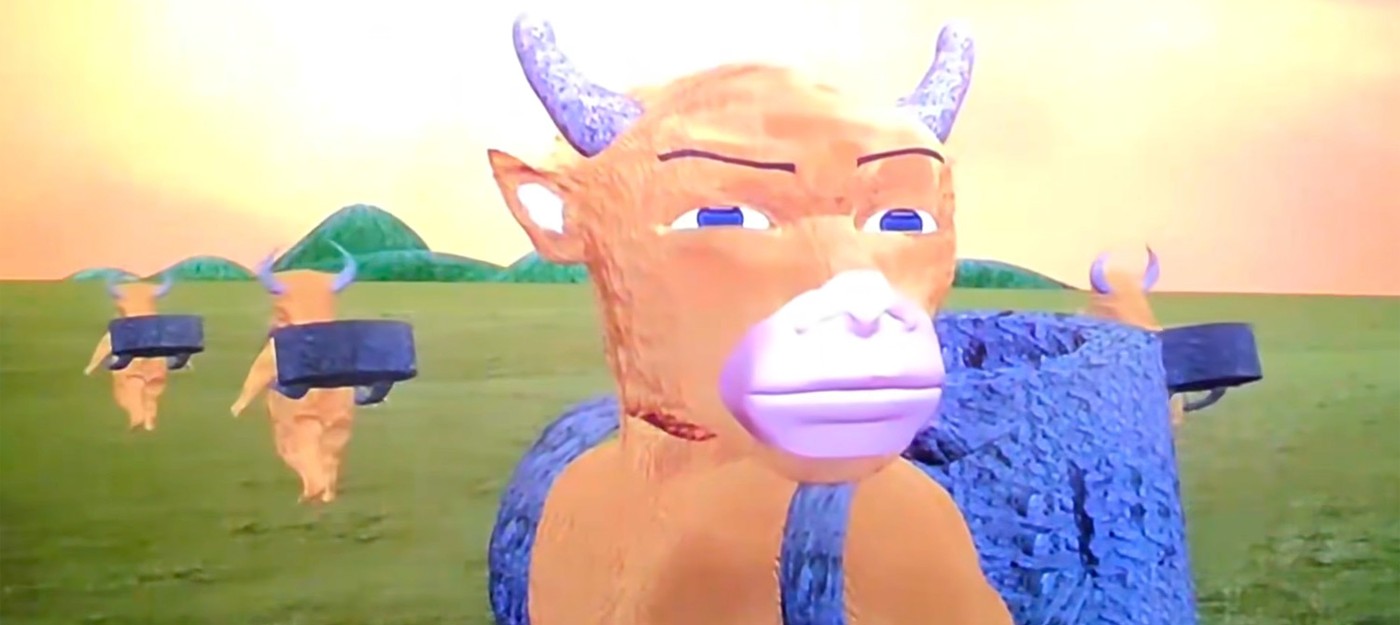
The Chinese animated film Niu Lai ("Here Comes the Bull") pulled in more than 17 million yuan against a budget of just a few thousand yuan, giving it the best return-to-cost ratio of anything released in 2026.
The movie bombed in theaters, got mocked mercilessly online, and that mockery is exactly what turned it into a box office phenomenon.
Xin Yumeng directed the 86-minute film, Sun Lifang wrote the script, and Dalian Jingyuan Culture Film and Television Media released it – a company that previously worked in interior design. Xin and Sun are mother and son, and they're the only two people credited in the entire production. Between them, they handled all the 3D modeling, animation, editing, and voice acting for every character.
Xin came up with the idea back in 2021, building the story around a bull since his father was born in the Year of the Ox and 2021 happened to fall under that same sign. Production dragged on for more than five years, and depending on the source, the total budget landed somewhere around a couple hundred dollars, or maybe a couple thousand. The pair worked on secondhand equipment since new gear was too expensive. Sun also composed the music and sang the closing song.
The film got its theatrical release license on April 3, 2026. There was no marketing campaign whatsoever – no trailers, no interviews. The only promotional material was a single poster done in traditional ink painting style.
Niu Lai premiered on August 5 in 245 theaters, but by August 14 that number had dropped to just four. Over its first nine days, the film made 7,169 yuan total from 236 viewers. Some days the box office take fell as low as 342 yuan, which is absurd even by the standards of a flop.
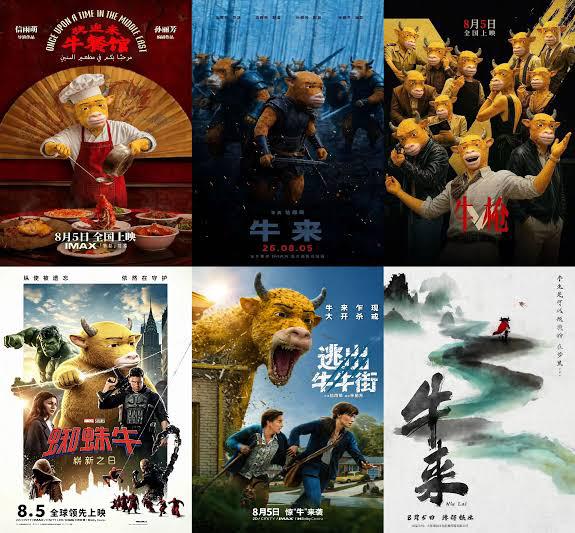
Everything changed on August 14, when a post about the film nine-day earnings went viral on Chinese social media. What grabbed people attention was the combination of the laughably small box office numbers and the fact that only two people made the whole thing. From there it snowballed into screenshots, memes, and the bull from the film getting photoshopped into famous classical paintings.
People had plenty of ways to describe the visuals, and the list spread fast:
catastrophic animation
the most primitive film in theaters
worse than something AI-generated
hard to believe this is Chinese animation from 2026
required viewing for stock market investors
Daily screenings jumped from 21 to 359 between August 14 and 15. Advance ticket sales topped 100,000 yuan, with 46,000 of that coming in on August 15 alone. Theaters in Beijing, Guangzhou, and Nanjing started adding screenings on their own initiative, and some showings sold out completely.
There's also an AI angle to this whole story. Some viewers started defending the film specifically because of how rough it looked, treating the janky animation as proof of genuine human effort. With so much AI-generated content flooding around these days, the choppy models and stiff movements ended up reading as a kind of authenticity badge.
Total earnings hit 17.1 million yuan, making Niu Lai one of the ten highest-grossing animated films in China for 2026. It even competed in daily charts against Christopher Nolan Odyssey, which opened in China on August 14, and Spider-Man: Brand New Day.
The film official Weibo account admitted that it falls short of industry standards for theatrical animation in terms of visuals, storytelling, and other areas. Xin Yumeng himself pulled the film from theaters on August 17, agreeing with the criticism of its technical quality.
For a sense of scale, look at Obsession. Currie Barker horror film cost 750 thousand dollars to make and pulled in over 400 million worldwide at the box office.
Obsession return-to-cost ratio comes out to roughly six hundred to one. Niu Lai numbers run into the thousands. The exact figure depends on which cost estimate you trust, and the different sources disagree by as much as two orders of magnitude.