Wire vs. air – experts continue to debate why wired internet is better than Wi-Fi

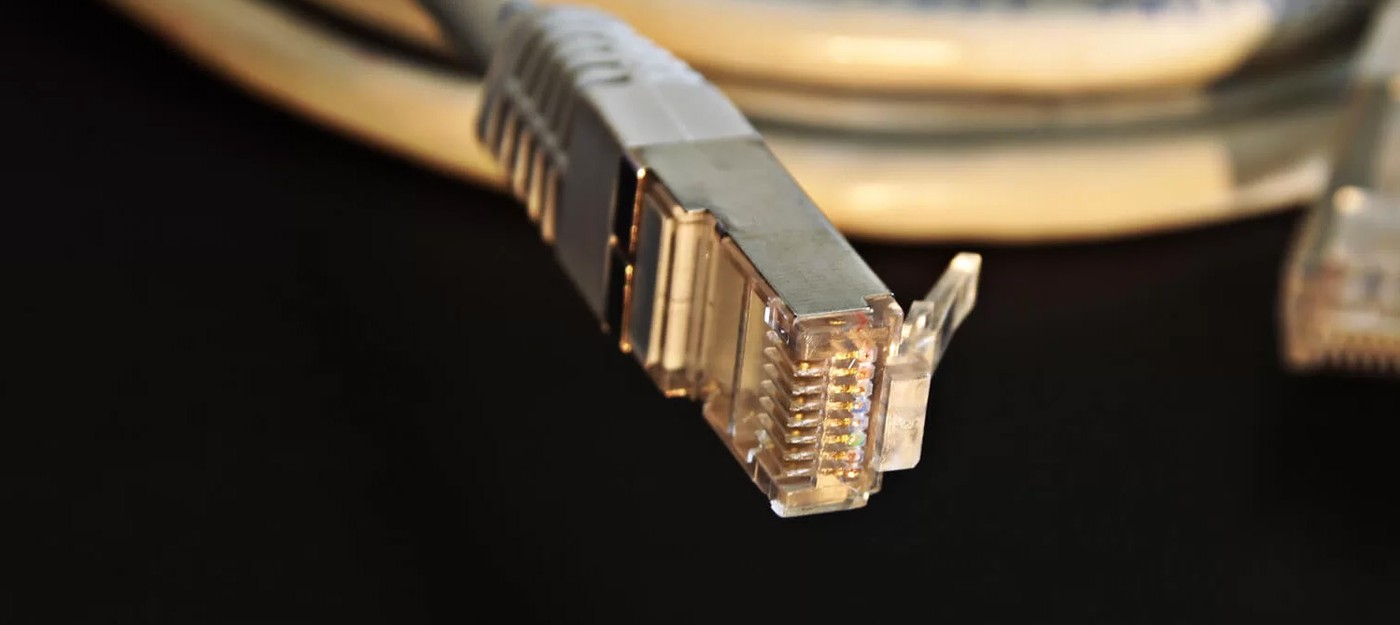
Renovating a new house can mean a lot of things, but running gigabit Ethernet to every single room before the furniture even shows up puts you in a different league entirely.
One Redditor described spending two weeks pulling cable through walls, calling it exhausting but worth it:
I am not even joking, i spent the last 2 weeks doing the cabling on my new house so i have less things hooked on Wi-fi and it's a blessing, gigabit internet on every room.
The flip side of this story is a lot funnier. Another commenter shared a story about a coworker who paid to rip out every Ethernet outlet in their house because the jacks looked ugly, then spent months complaining about Comcast:
I had a coworker who spent money to remove all ethernet outlets in their big house because they were unsightly. Also complained constantly about Comcast internet performance.
The issue goes beyond one oddly decisive homeowner, though. People who install cameras and alarm systems for a living say in-wall Ethernet is rarer than most would expect.
According to one installer, "Most houses don't have a single run anywhere in the walls, and those that do usually have exactly one (usually from the basement where the coaxial line enters the house to the family room)." Even newer townhouses only have decent odds of multiple runs, and plenty of builders still wire just one line for the gateway and call it done – sometimes tucking that gateway in a garage, several floors and a firewall away from the home office.
There's also some irony in how people misunderstand wireless performance while defending it. Frequency gets blamed for speed issues constantly, but as one commenter pointed out, "throughput is a function of channel width not frequency – if you're broadcasting on 5 Ghz and 6 Ghz with 160 Mhz channels, assuming all other variables equal – you're going to get the same speeds." Wi-Fi 7 pulls ahead mainly because it can use 320 MHz channels in the 6 GHz band, not because the frequency itself is special.
Even a flagship wireless card can't outrun a cheap cable, since radio signals still have to fight through walls while copper just doesn't care.
The hardware side has its own quirks. Plenty of TVs ship with a 100 Mbps Ethernet port even though their Wi-Fi chips can handle far more. One user pointed out the mismatch directly:\
Ironically most TV's only have an 100 MBPS port, while their WiFi chip is capable of much faster speeds.
Another found an easy fix, noting:
I purchased a $10 USB 3.0 to Ethernet adapter for my TCL Google TV. Now I get 800mbps up and down."
As for routers, skimping isn't recommended – it handles every bit of traffic in the house – though most people don't need to chase the priciest flagship model available.