Did you know that the first ethernet cable was bright yellow so that no one would accidentally drill into a power cable

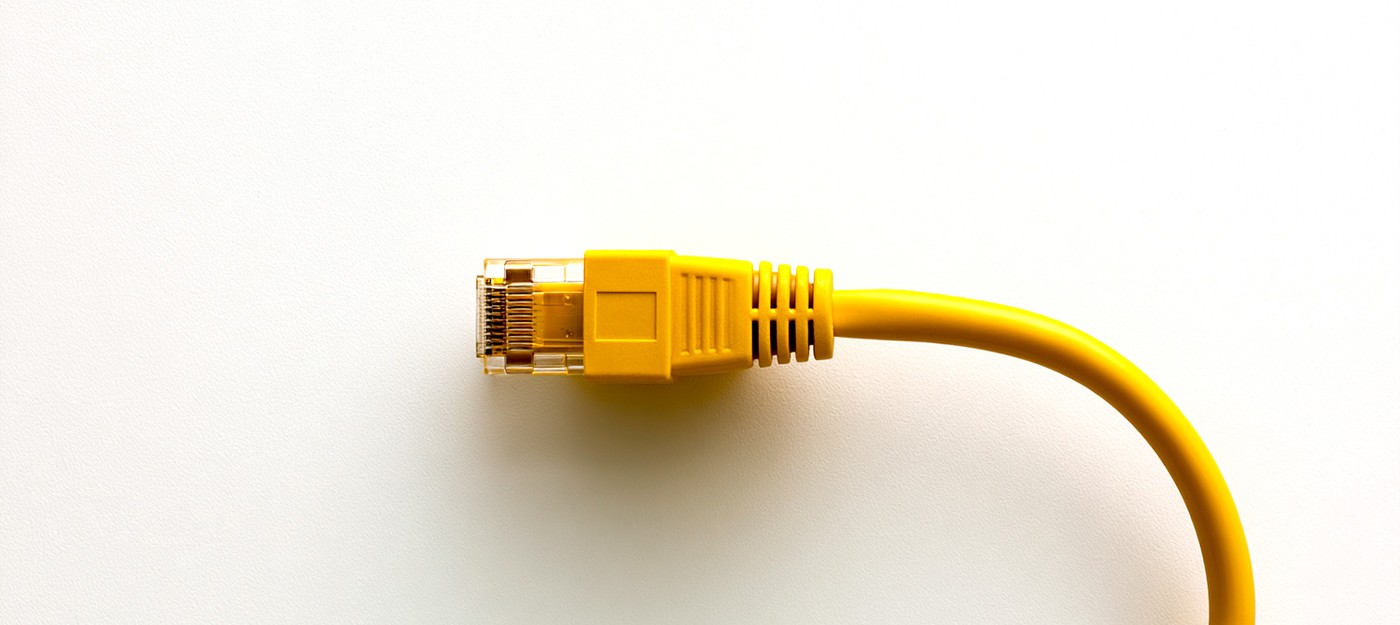
If you think the color of ethernet cables comes down to convenience or marketing, the history of the standard tells a different story.
The original spec, drawn up in the 1970s, called for cables in one very specific shade of yellow, and the reasoning behind it mixed personal taste with a genuine safety concern.
Rich Seifert, one of the creators of the ethernet standard, explained the choice during a talk at this year's Vintage Computer Festival titled "History of Ethernet: Musings of an Early Networker."
Part of the decision was simply personal. "It's my favorite color. I drove a yellow car, I have yellow furniture," Seifert said. The exact shade he picked for the cable even has a car-inspired name – "Safari Yellow," pulled from the 1968 Corvette color chart.
But there was a far more practical reason behind the aesthetics. Early ethernet didn't use the thin twisted-pair cables we're used to today – it ran on bulky coaxial cable instead. Connecting to it required a so-called vampire tap, a device that literally bit through the cable's rubber shielding to reach the metal conductor underneath. In other words, hooking up a transceiver meant grabbing a drill and boring straight into the cable.
These cables ran through the ceilings of offices and factories, tangled up alongside power lines. Seifert knew exactly what would happen if someone accidentally drilled into a live power cable instead.
I did not want anyone drilling into a power cable. This would not be a good idea. So I wanted to make sure you could distinguish the power cable from the ethernet cable, so I made this thing as bright as I could possibly make it.
The engineering context of the era makes the story even more telling. Ethernet wasn't the invisible background technology it is now – far from it. The 10 megabit per second speed baked into the spec was more than computers of the time could actually use, since the hardware couldn't keep pace with the protocol.
A network controller back then needed two 9x12-inch circuit boards, cost roughly $3,000, and drew around 60 watts of power.
The technology has come a long way since those bright yellow coaxial cables snaking through office ceilings – today it's just a chip nobody thinks twice about when building a system.