AI GPT-6 Astra assembled an isometric Diablo-style game under 2MB in size and shot a trailer for it

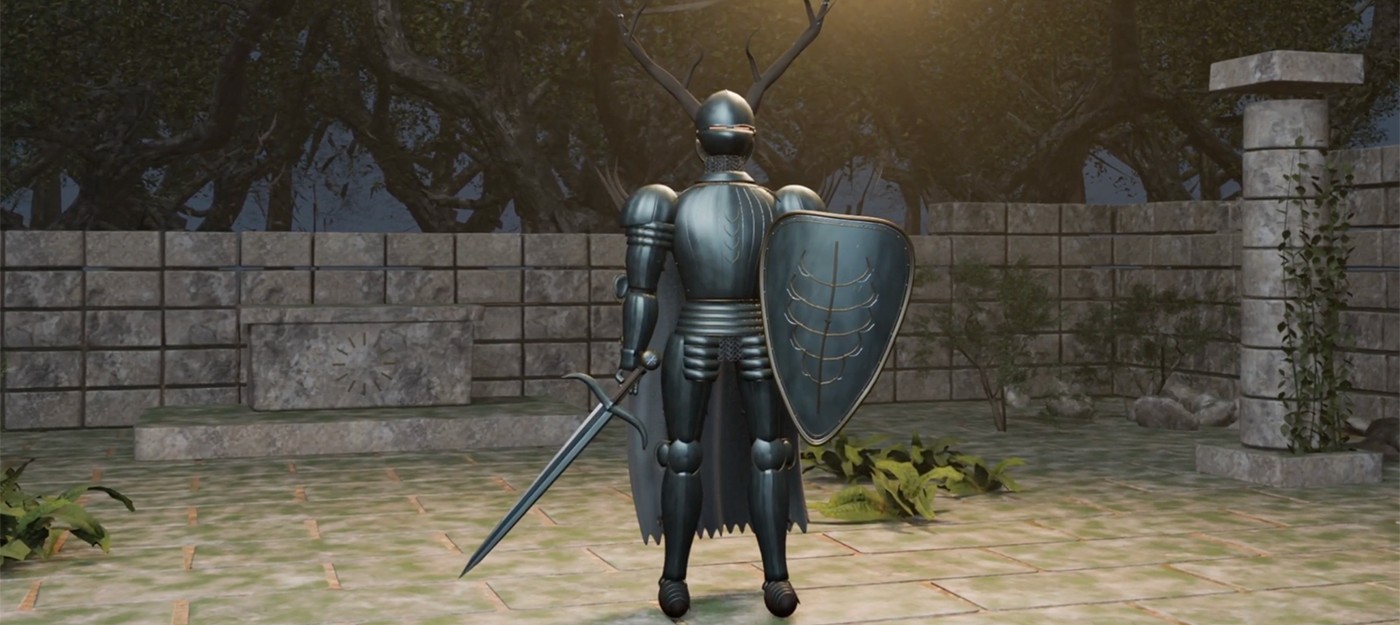
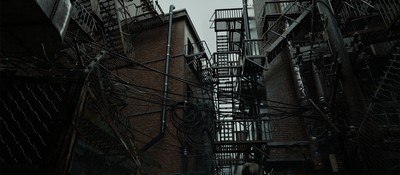
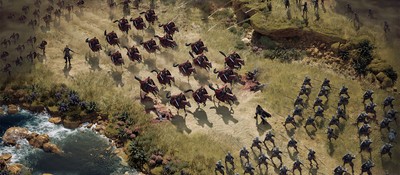
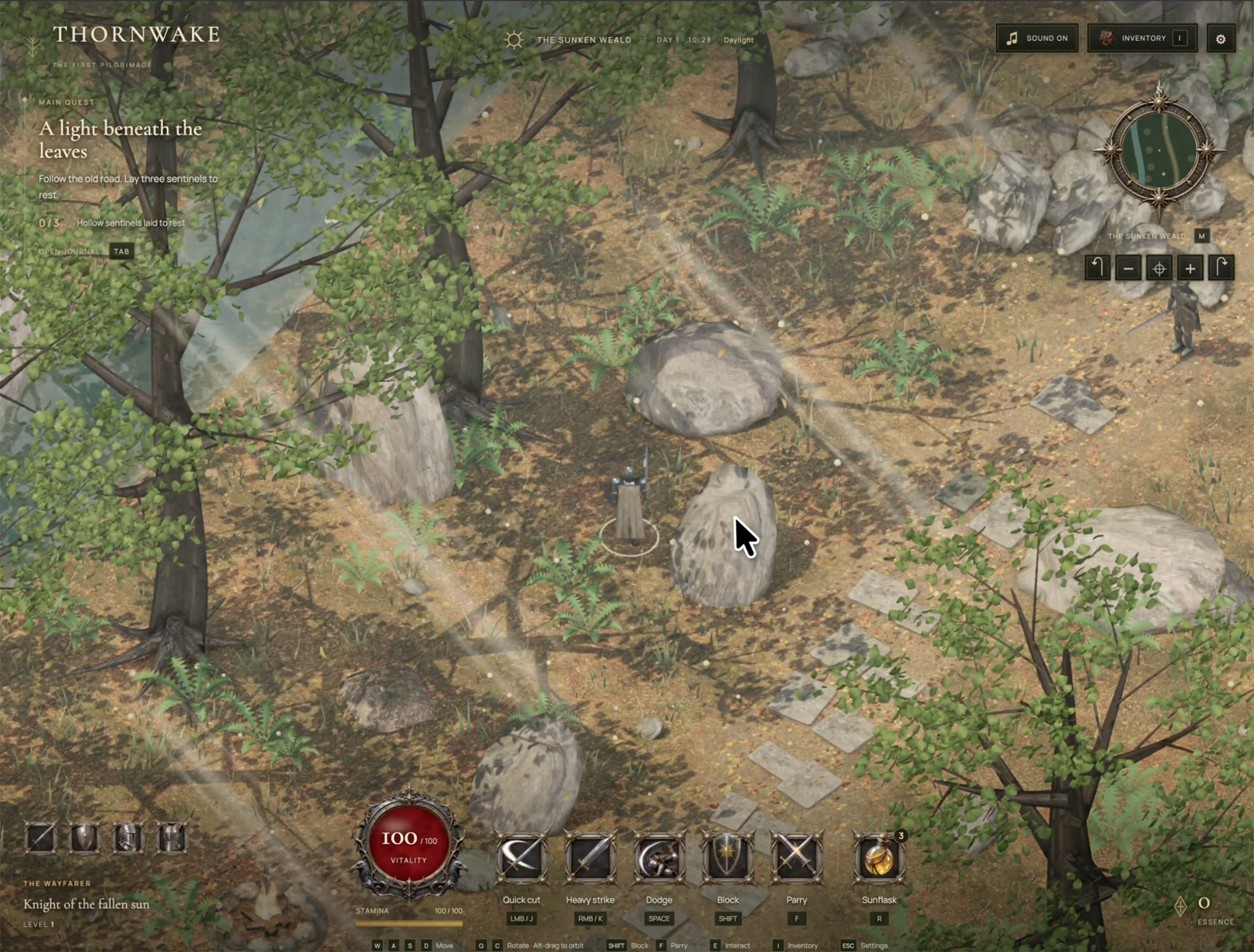
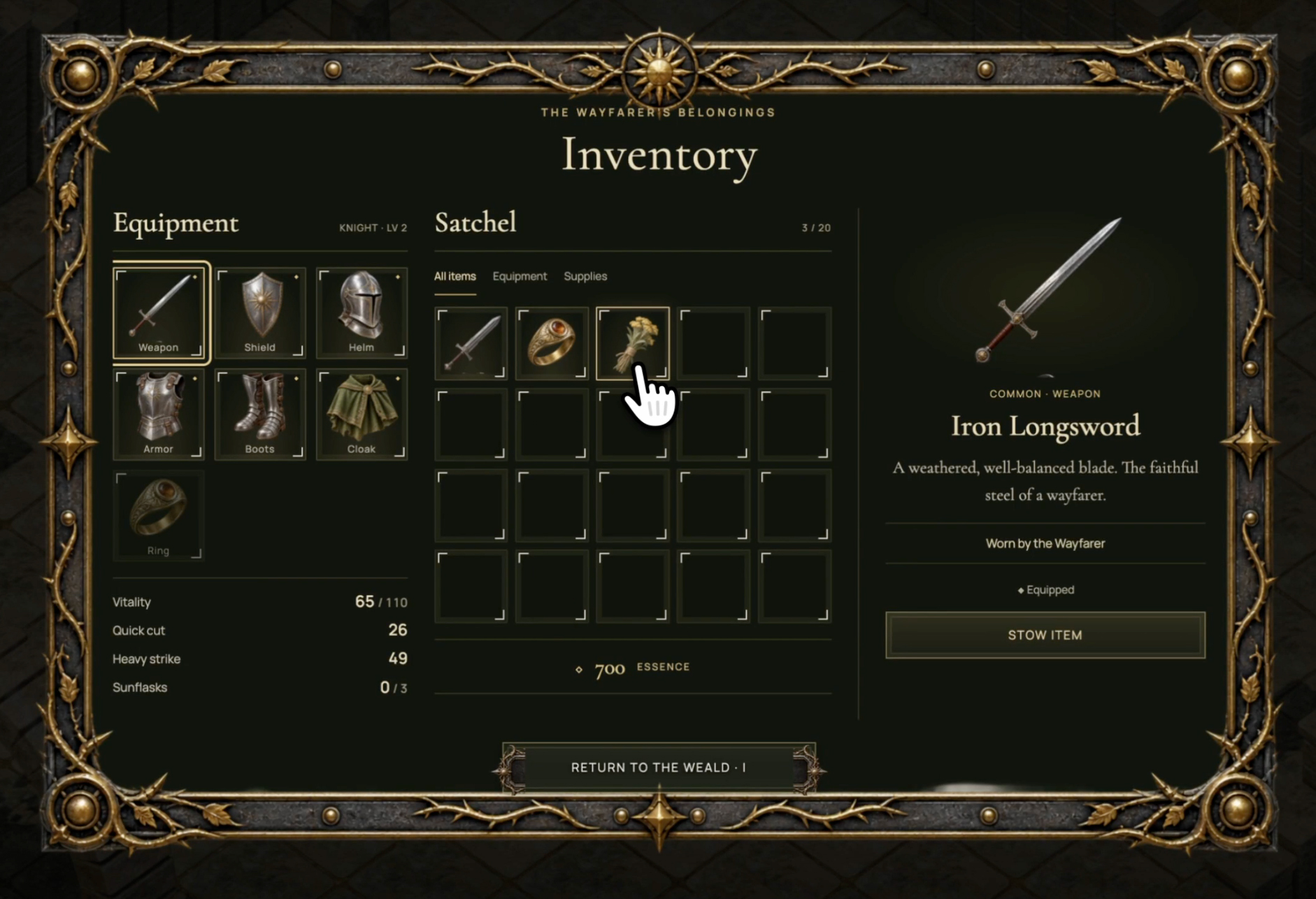
Designer Meng To, founder of the Design+Code learning platform, showed off an isometric RPG built entirely by GPT-6 Astra. The model didn't just write the code in Three.js – it also recreated every scene in Blender and cut a trailer from the results.
The key detail here is that no premade assets went into the build at all. Rocks, trees, monuments and character models all come from procedural code, so the entire game weighs less than two megabytes before images and music get added.
No model library or asset pack was used whatsoever. When asked where the assets came from, Meng To simply said everything was generated.
Here's what the model handled:
Environment and character geometry through procedural Three.js code
Interface icons, buttons and ornaments as transparent PNGs made with GPT Image 2
Equipment icons for the inventory
Scenes recreated in Blender and the trailer cut together from them
It didn't come together from a single prompt, though the designer did share the exact starting request. He asked for a mix of Elden Ring and Diablo 4, but isometric and paced slowly like Elden Ring, starting in a forest during daytime, then told the model to keep checking its own work until it reached a polished state.
The Blender workflow turned out differently from other public examples out there. Astra didn't convert its own Three.js code into the 3D editor – instead it treated the game folder as a reference and rebuilt the scenes from scratch inside Blender.
Meng To said this part took the longest since it ran through computer control rather than direct code generation. He doesn't consider it particularly difficult, though, since Blender isn't interactive the way the game itself is.
He also pointed out that he didn't hook up any pre-written skills for this. It came down to persistence and direction, with the model needing constant nudges to refine details more carefully.
The biggest improvement over the previous GPT-5.6 Sol, according to Meng To, is interface quality. He says the visual design looks noticeably cleaner now and less like typical AI-generated graphics.
He's upfront about the weak points too. Character models still give Astra trouble, and a good-looking screenshot doesn't mean every detail got proper attention. Commenters compared the visual style to the early Baldur's Gate games.
Meng To doesn't work exclusively with OpenAI products. He says Claude Fable 5.1 excels at different tasks, and a game he built with it turned out even more advanced. He's currently converting a prototype called Ashfall into a full game.
Other users are getting similar Blender results through a different approach. Developer Tom Krcha described how Astra builds models not by clicking through the interface but by writing Python scripts, turning an old drawing of a steam train into 3,295 editable objects.
OpenAI shared its own examples in a developer blog post as well. In those builds, Astra wrote its own water renderer in Three.js using a single wave model for both the visible sea and boat buoyancy, and it checked renderer counters to keep track of draw calls, triangles, geometries and textures.
GPT-6 Astra launched on September 3, 2026. Alongside 3D graphics, OpenAI highlights computer control, long Codex sessions and professional document preparation as standout capabilities.
- Cyberpunk 2077 player calls immersive mod perfect for bike riding – real motorcyclists strongly disagree
- Baldur's Gate 3 fan creates infernal lamp for D&D campaign with Raphael's quote
- New mod transforms Skyrim trading into full economy with supply and demand system