Saber Interactive's creative director explained how AI works in Rideshare Simulator and stated that "id Software would definitely have used this technology if it had existed in the '90s"

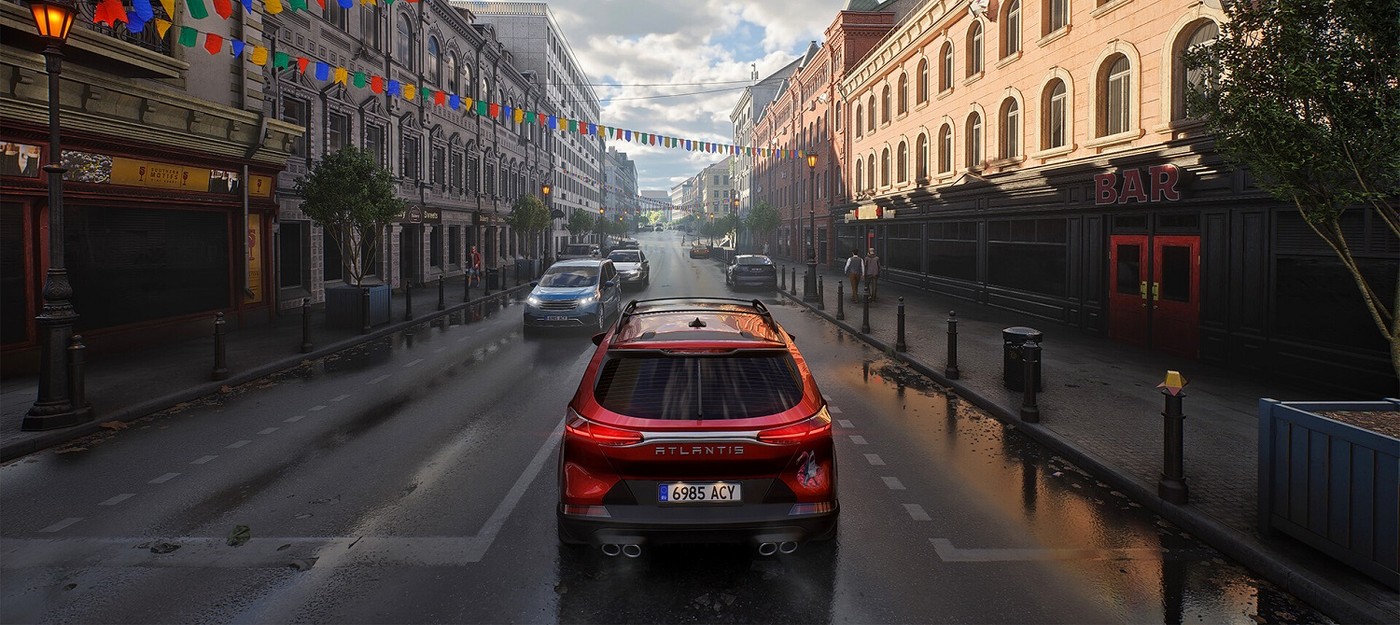
Tim Willits, creative director at Saber Interactive and co-owner of id Software from 1995 to 2019, tried to clear the air around generative AI in the studio's upcoming game. Speaking with press at Gamescom 2026, he explained where the technology actually shows up in Rideshare Simulator and why player concerns largely stem from misunderstanding.
As most people know, we are experimenting with AI in future games. We don't have it here right now, but we announced [Rideshare Simulator] and I want to clarify things because there's some misconceptions.
The conversation didn't come out of nowhere. Saber landed in hot water earlier this month over Rideshare Simulator, accused of delaying its AI disclosures on Steam, with a former writer claiming they were booted off the team in favor of AI.
That same writer was later badmouthed by Saber CEO Matthew Karch, who eventually apologized for the remarks. Willits says the main campaign of Rideshare Simulator and all of its side missions were written by humans, with AI only showing up in an optional mode called Free Ride.
We're going to use AI for the passengers, so we can deliver new stories. So that is only possible if we use AI for that – this is an experiment. We at Saber want to figure out how we can use this technology, so we're doing it at a small scale to try to learn. We're like everyone else, we're just trying to figure this out. But there is no generative AI in our big titles. No Hellraiser, no Turok, none in Stuntman.
The phrase "only possible" raises some questions. Sure, an endless stream of dialogue for an optional mode is only technically feasible with generative AI, but a version of Free Ride with enough hand-written conversations could exist without any AI involved. Content would eventually run dry either way, though it's hard to imagine anyone expected Rideshare Simulator to be a game people play for thousands of hours.
Still, Willits insists the experimentation matters:
We want to experiment, and I do believe that there will be a company – I don't know who – but some game development company will create a game that uses AI in such an amazing way that everyone will be like, "That's it, that's what we need to do".
He then joked that "someone needs to come up with the 'Half Life 2 of AI'," something so impressive it kicks off a wave of imitators.
Willits also shared his thoughts on how id Software might have reacted to this kind of technology back in its heyday. He believes the studio would have absolutely used generative AI had it existed back then, since id always pushed the technical envelope.
Yes! Oh, of course. I mean, look at what [id Software] has done. In 1999, when we released Quake 3, it required a graphics card, and we got so much hate for that. People said we were going to ruin the industry. Nobody was going to spend $100 on a video card, and it was the dumbest thing that anyone ever did … I know for sure back in the day if it was available, John Carmack would be like making Skynet or something.
Willits still seems to agree that the real proof of AI value should come from the games themselves rather than executive promises. "The games will speak for themselves, even in our experiment with Rideshare, I encourage people to check it out when it comes out, play it themselves. They may be like 'oh, this is cool! I like this'. And if they don't like it? Fine. And but the games speak for themselves," Willits concluded.