Engineer in Taiwan hid a panoramic camera in a pack of snacks to steal DRAM technology, but he was given away by a Wi-Fi signal


Trying to smuggle trade secrets out of a locked-down factory zone using an action camera disguised as a bag of snacks failed for the most mundane reason imaginable – the employee forgot to turn off Bluetooth and Wi-Fi on the device.
Taiwan has indicted a senior engineer at Nanya Technology on suspicion of copying 32 files containing data on the company's DRAM manufacturing process. The news comes from Freedom Times.
Investigators believe the engineer had been negotiating with Chinese recruitment agencies and planned to hand over Nanya trade secrets to his next employer in China in exchange for a higher salary.
Yeh Yen-wei worked in Nanya Advanced Process Development Division starting in 2022. In 2025, he began talking with Chinese recruiters about job opportunities on the mainland, and in mid-February 2026 he submitted his resignation.
Before leaving Nanya in mid-April, the engineer visited the company restricted office areas three times – on March 28, April 4, and April 5. All the visits took place on weekends, either late at night or early in the morning.
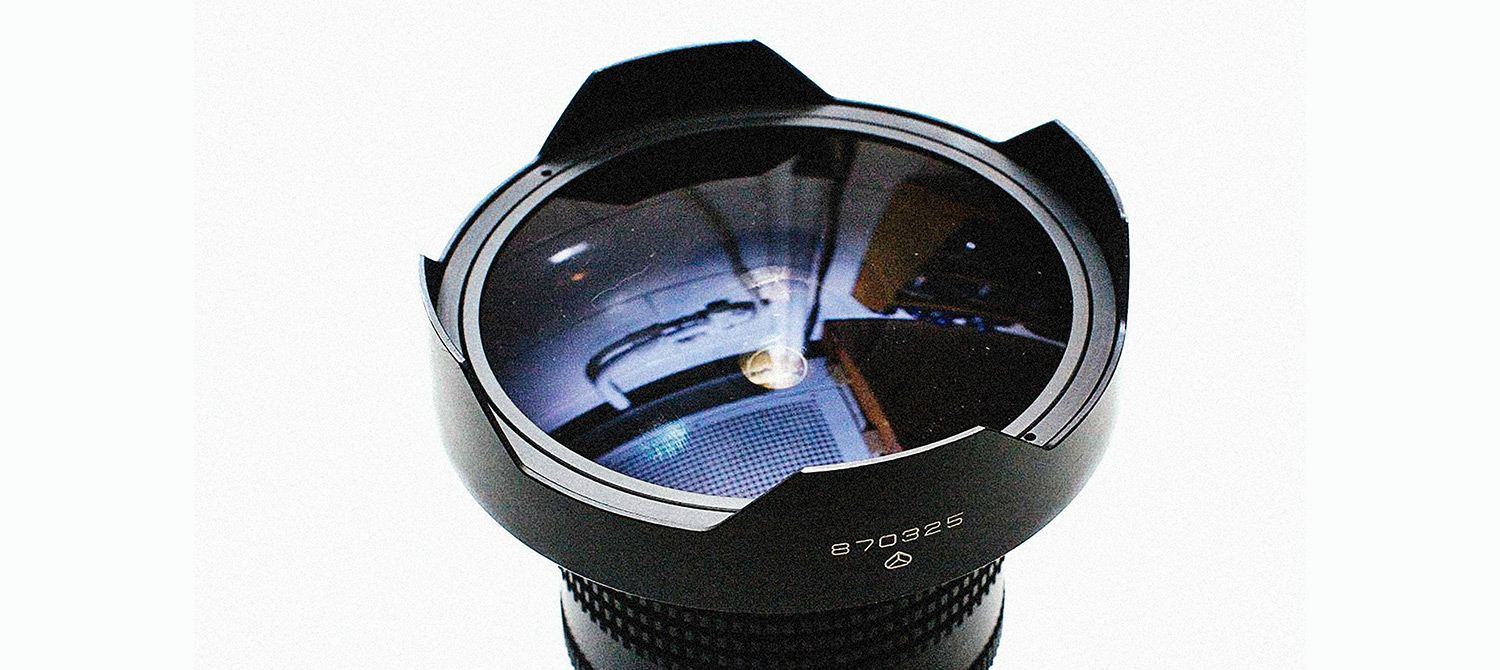
To sneak the equipment past security checks, he hid a panoramic Insta360 X4 Air action camera among snacks. Once inside, he used his own legitimate credentials to log into Nanya virtual machines and opened internal R&D documents.
Then came the camera – the engineer photographed and filmed materials related to DRAM production technologies and memory manufacturing methods. He kept all the gathered information after officially resigning.
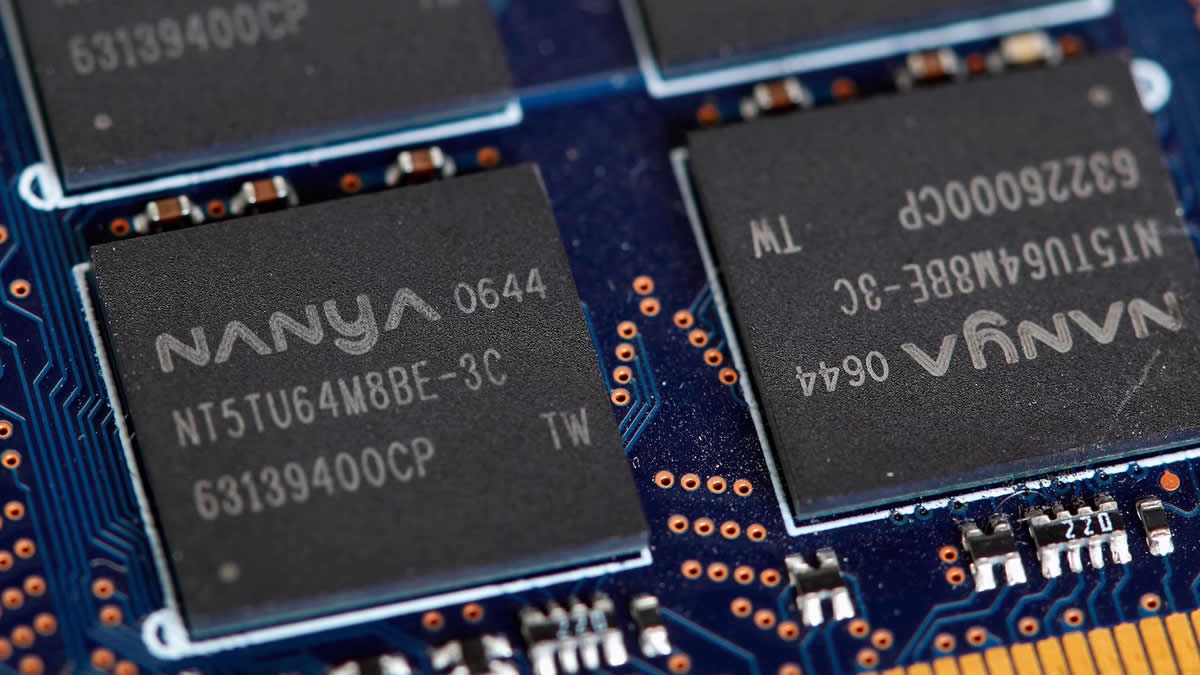
His actions didn't go unnoticed, though. Nanya IT security team picked up abnormal wireless signals inside the restricted areas, essentially spotting the gadget through its Bluetooth and Wi-Fi emissions, then cross-referenced that data with the employee access and activity logs.
Nanya turned the evidence of the suspected theft over to Taiwanese law enforcement. The New Taipei District Prosecutors Office filed charges under the Trade Secrets Act for unauthorized reproduction of confidential information intended for use in China, along with a breach of trust charge under the Criminal Code.
The maximum penalty under the primary charge is up to 10 years in prison. Forensic examination of the seized equipment, however, found no evidence that the engineer managed to pass the confidential data to a Chinese company or anyone else outside Nanya, so the sentence could end up being lenient.