21-year-old student from Berlin created a radar detector for ticket inspectors and received 55 thousand messages

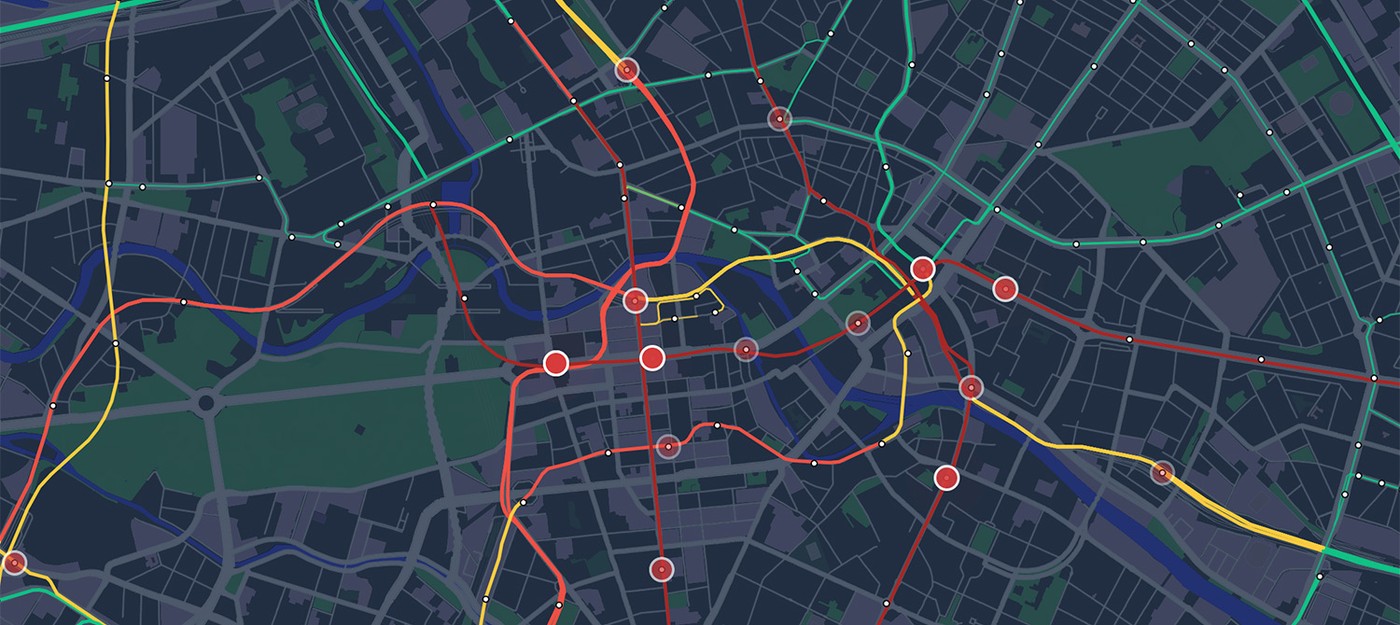
Berlin transport operator BVG has criticized FreiFahren, an app that shows real-time fare inspection locations on the subway and city rail network.
The operator responded to the app, stating that helping people ride without a ticket supports antisocial behavior and hurts paying passengers.
The mechanics behind it are simple. A rider marks that they spotted inspectors on a specific line at a specific time, and everyone else sees that mark and picks a different route. German press has already started calling it a radar detector for public transit.
The scale is impressive for a local service. According to the developer, around 40,000 people use the app regularly. The website states that users have submitted more than 55,000 inspection reports.
A registered association handles development. The service was created by 21-year-old Johan Trieloff, a student at the Technical University of Berlin, and the idea grew out of WhatsApp and Telegram groups where students warned each other about inspectors.
FreiFahren e.V. is registered with the Charlottenburg local court, runs without ads or subscriptions, and relies on voluntary donations.
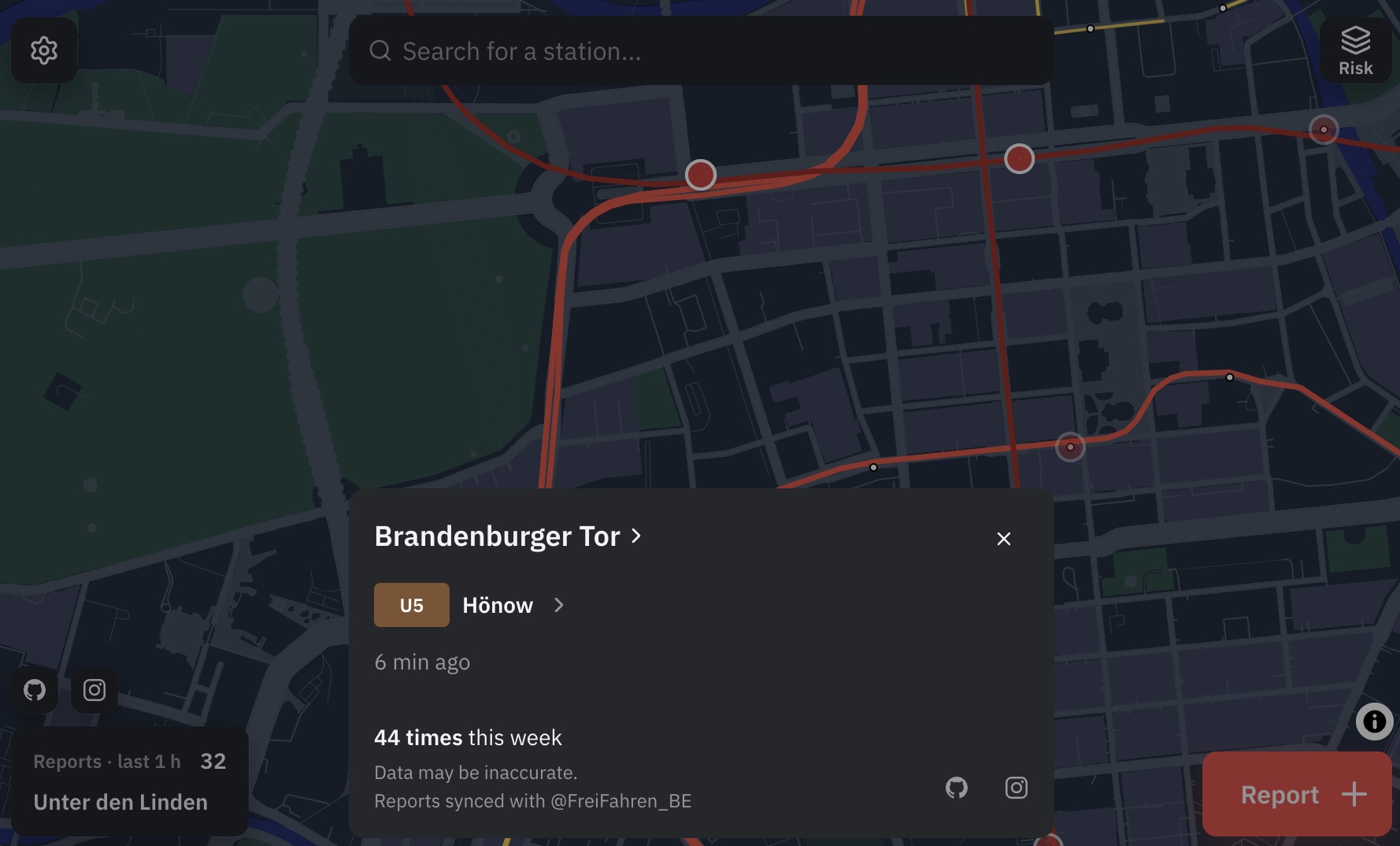
The system is built around minimizing data collection:
no registration required, the app opens and works right away
location data stays on the phone, with only the station, line, direction, and timestamp sent to the server
a report is only accepted when the user is within roughly a mile and a half of the listed station
at least 15 minutes must pass between reports from the same user
Cloudflare, a Telegram bot filter, and internal checks guard against manipulation
Only members with specific permissions can access the database, and there is no evidence of data being shared with authorities or transport operators. Users who submit reports through Telegram theoretically face a slightly higher residual risk of being identified, so the developer recommends using the app itself instead.
Availability is still limited by platform. The app runs as a web version at app.freifahren.org and as a native app in the App Store, though there is no Android build yet. Future plans include more accurate detection of recurring inspection routes and expansion to other cities. The system tries to predict which direction inspectors are heading and where they will show up next.
When the app launches, it shows a notice asking users to confirm that the service is meant for staying informed and planning trips, not for dodging rules, and that they won't use it during the ride itself.
The operator has put a specific number on the financial impact. BVG estimates annual losses from fare evasion at 20 to 25 million euros, though it has no data showing the app has led to fewer people getting caught.
Trieloff explains his motivation through the legal side of the issue. He says the idea came from reports about thousands of people ending up in German prisons every year for riding without a ticket, most of them living in extremely unstable circumstances.