RAM prices have rolled back to 2007 levels – AI destroyed 20 years of progress in a matter of months

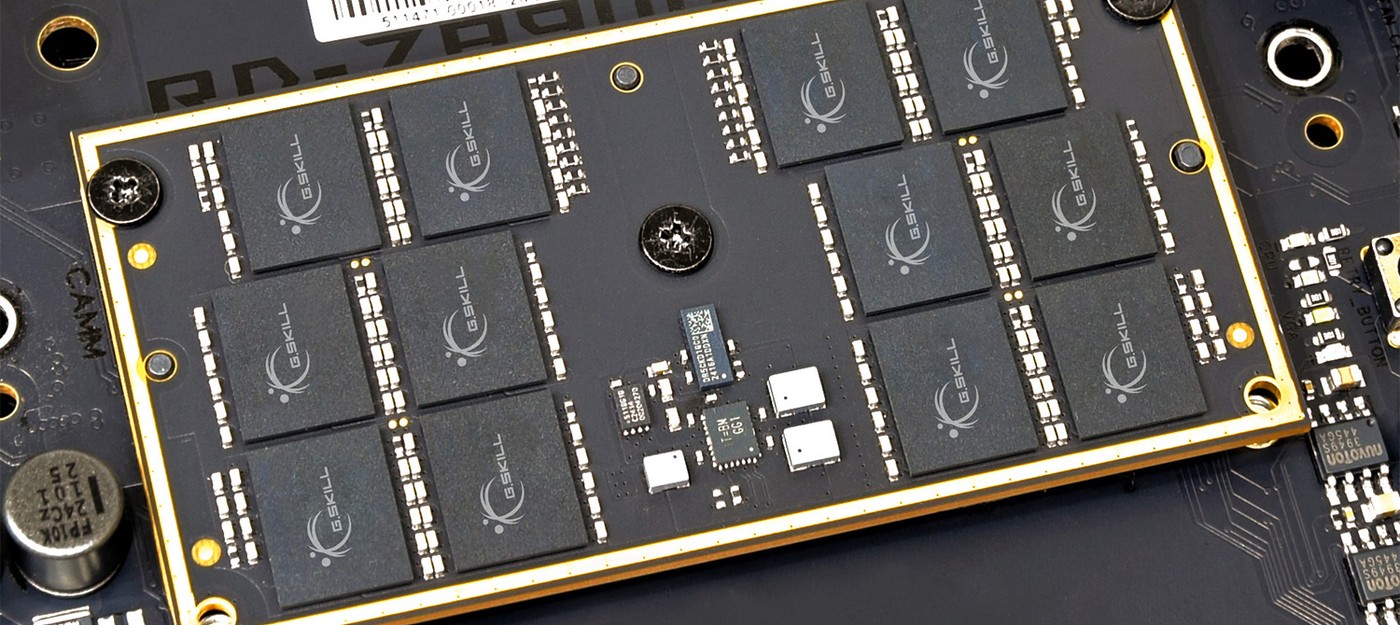
Software performance expert, scientist, and GitHub developer Daniel Lemire compared historical computer memory prices and showed that decades of falling prices were undone in just a matter of months because of the massive demand for HBM.
According to his post on X, this event is a historical anomaly, and he cannot think of an instance where technology hardware prices reverted to levels from decades before.
Lemire pointed out that on a historical basis, computer memory has been falling at an exponential rate for decades, but we just undid about 20 years of progress. RAM on a per unit basis is about as expensive as it was in 2007.
I do not think anyone can predict what will happen, but I am guessing that we either find a way to build AI systems without so much memory, or we find really clever ways to make much more memory much faster.
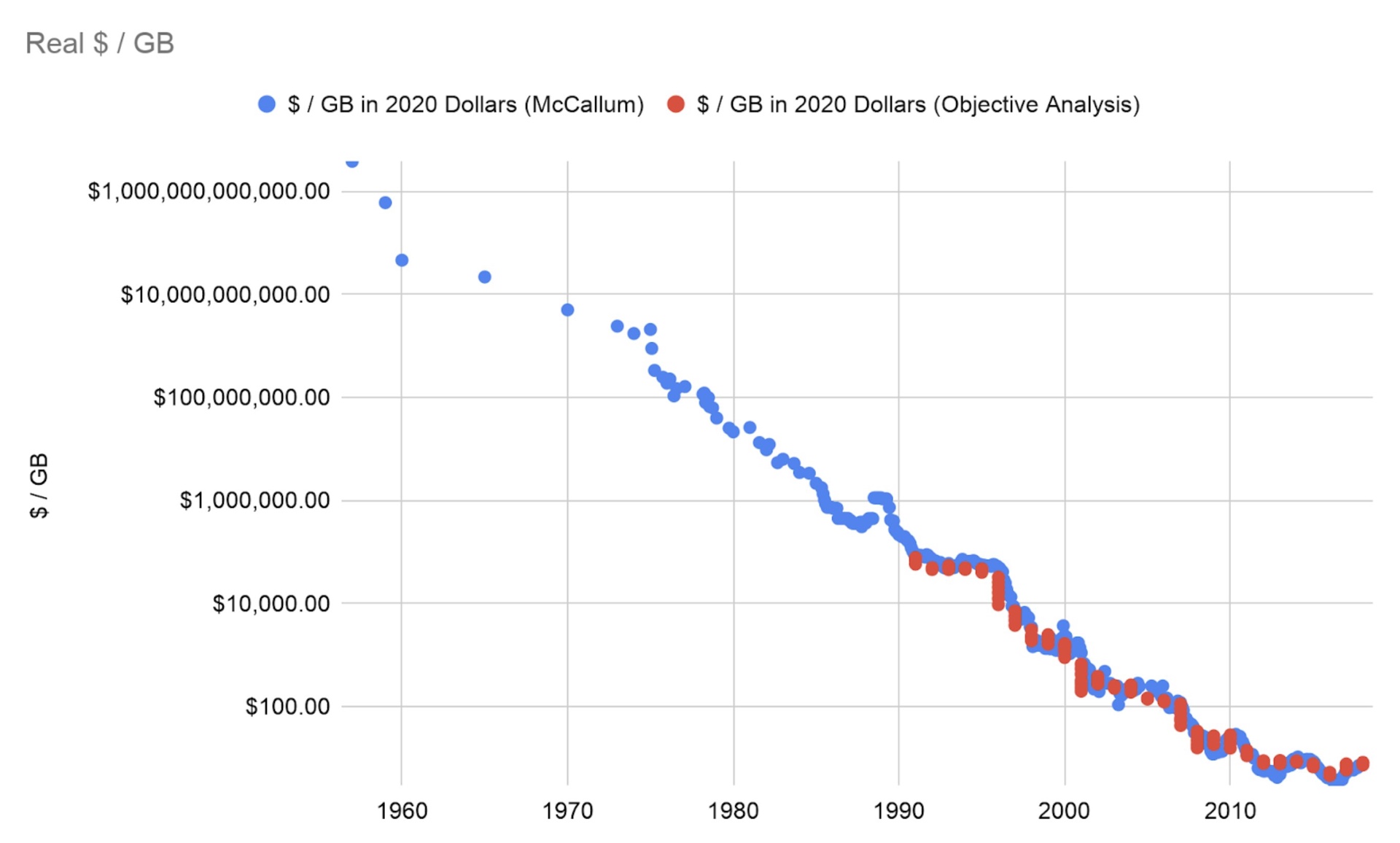
Third-party data compiled and maintained by David Shim for the Stanford DAM Project backs this up. The latest price for DDR5 memory sits between $13.28 and $11.41 per GB. The last time RAM hit this price was in 2008, when the price for DDR2 hovered between $15 and $11.00 per GB.
These figures are based on nominal USD values. If we take 2024 inflation into account, the current amount for DDR5 is between $12.74 and $10.94 per GB, which was last achieved in 2011, when DDR3 prices sat at $11.85 per GB.
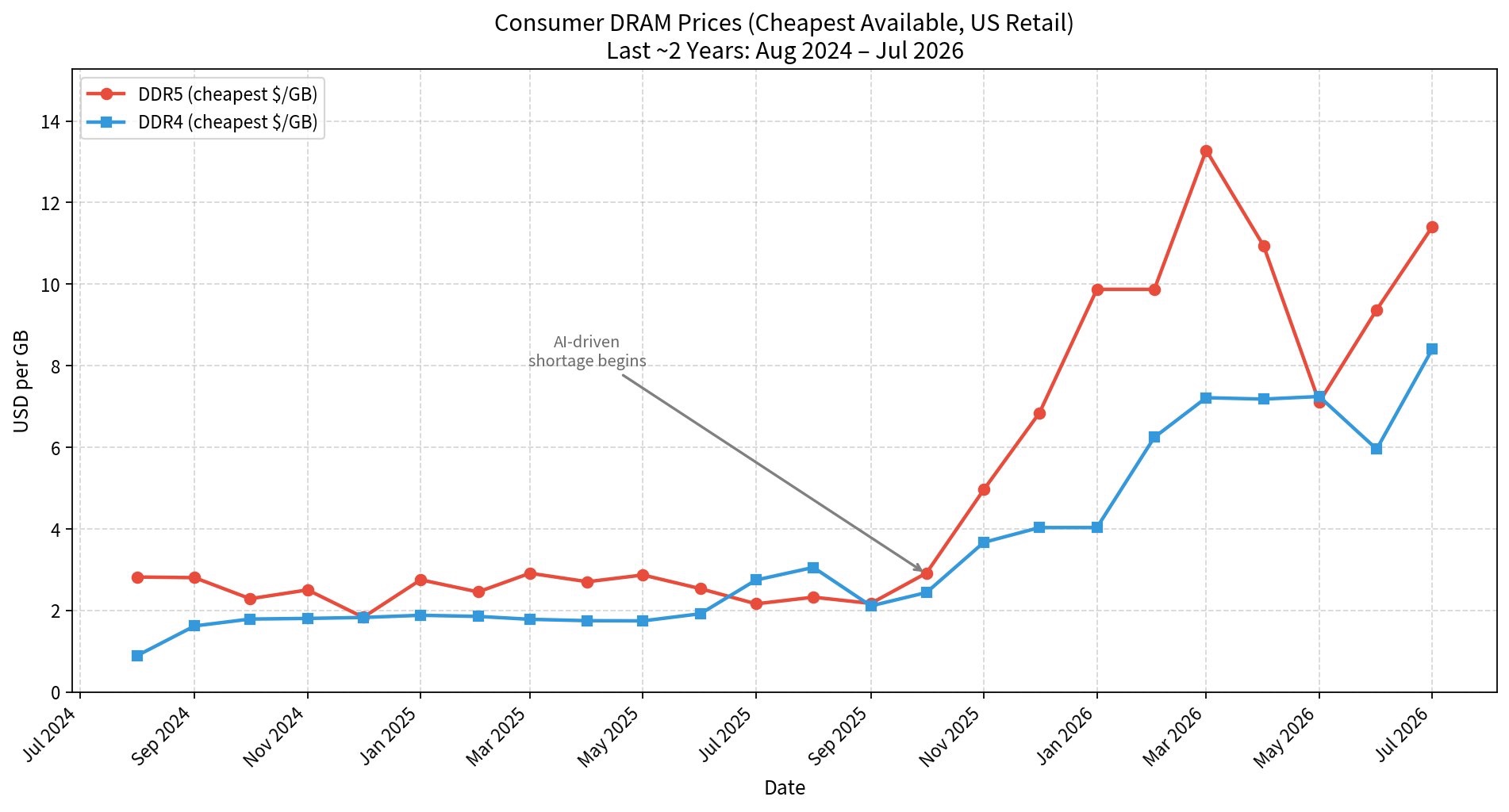
Technological advances, especially in manufacturing and miniaturization, meant that tech became cheaper over time. This has been true ever since the first general-purpose digital computer was created 80 years ago.
ENIAC cost the government $400,000 in 1946, meaning it would probably cost around $6.85 million today. Its computing power equaled roughly 5,000 additions per second.
By comparison, one of the cheapest smartphones you can get today, the Moto G Play, sells for $99.99. It runs on a Snapdragon 680 processor with AI performance of 3.3 TOPS, that is 3.3 trillion operations per second.
The massive increase in memory prices in recent times wasn't caused by technological regression or a bottleneck in supply. Instead, it's the massive demand for HBM driven by the AI race.
Elon Musk said during the last SpaceX earnings call:
The memory output is increasing by around 20% per year. Now, normally, that would be fantastically fast and amazing for any large, mature industry, but ask yourself, "Is the demand increasing by 20% a year?" No, the demand is increasing by 200% a year, maybe higher.
Aside from computers, other industries are already being affected by the shortage, including graphics cards, smartphones, gaming consoles, and even automobiles. We do not know how long the current memory crisis will last, but the situation looks unsustainable, and sooner or later the balance will have to break.
Some industry observers note that the cheap RAM era was a time when memory companies were struggling to stay afloat and selling at a loss just to survive. Going back to those prices for an extended period would mean bankruptcy for these companies and the disappearance of production altogether.
On the other hand, recent financial results from memory makers show they're pulling in tens of billions of dollars per quarter, with profits hitting record highs – the sector clearly isn't struggling and can afford massive bonus payouts to its employees.
There's another path to cheaper memory besides oversupply: higher density, which lowers the cost per bit on the manufacturing side. The jump from 16 Gb to 32 Gb took a long time, and the next breakthrough is expected to come from 3D DRAM, though widespread adoption is still roughly a decade away.
- Enthusiast hacked a laptop's BIOS using Claude Code and unlocked 55 hidden settings
- DeepSeek reportedly blocked Nvidia and AMD from early access to V4, giving Chinese suppliers a head start
- OpenAI strikes a deal with the Pentagon hours after the Trump admin banned Anthropic