Viewers of "Spider-Man: Brand New Day" lower their personal rating of the film after reflecting on plot and character flaws

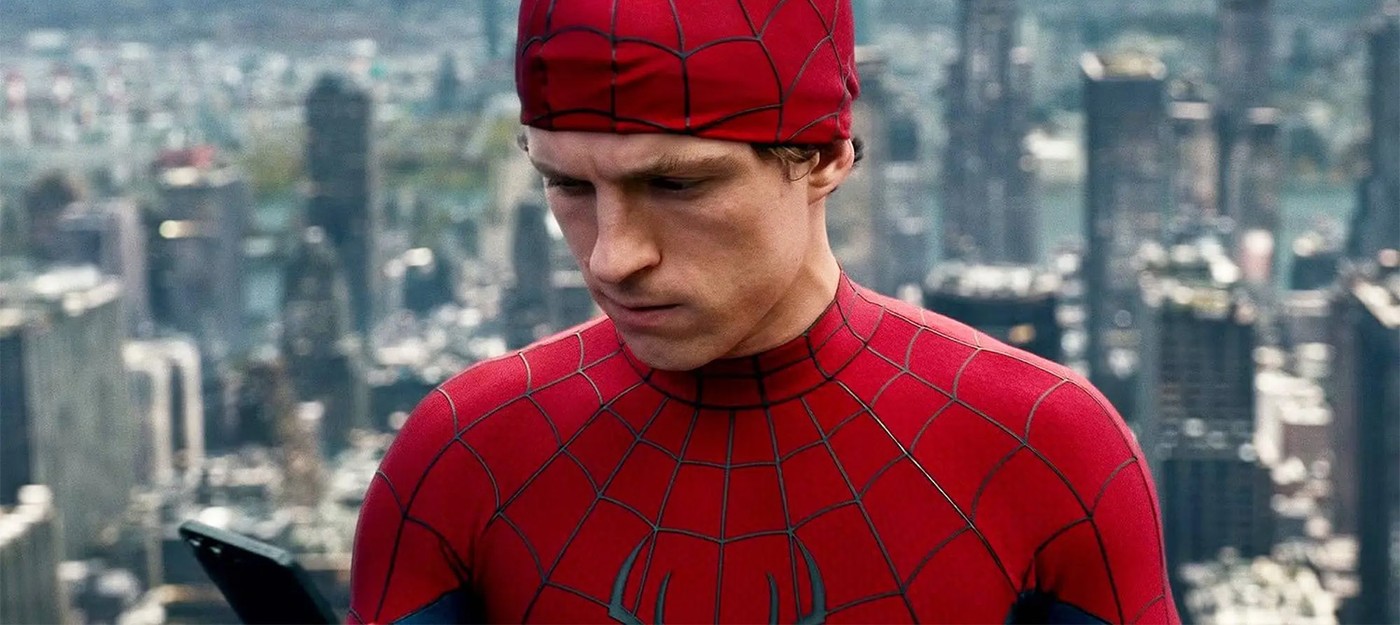
A day after watching "Spider-Man: Brand New Day," one viewer posted a detailed breakdown explaining why his initial rating didn't hold up.
He originally gave the film seven out of ten, but dropped it to six after thinking it over. His complaints focus on four aspects of the script.
Spoilers ahead!
The main issue involves Jean Grey, played by Sadie Sink. In the first half of the movie, the character comes across as flat-out cruel – she drives an armored truck with an elderly woman inside through the streets of New York, plants a bomb in that same truck, and forces a bystander to step in front of it. One scene revolves around mind control over MJ, whom Jean forces into a kiss with Peter before pushing her off a roof right after.
The second half asks the audience to see the same character as a tragic figure, acting cruelly because her sister has been kidnapped (though for most of the film, Jean has no idea what actually happened to her).
The comparison here is to the finale of "WandaVision," where sympathy for the character has to be handed out in advance. The viewer argues a more restrained first half would have fixed this, with Jean targeting only Damage Control agents instead of random civilians. But that raises a motivation problem too – why would Jean bother staging all this chaos when she can slip into anyone's head and quietly track down her goal without tipping her hand at all?
The flashback with her sister Sarah doesn't build much trust in the character either, since both girls treat possessing other people's bodies as entertainment. Another complaint targets the ending, where Jean refusing to kill Metzger feels hollow given everything she's done up to that point.
The second complaint concerns the Punisher. Peter knows exactly where Frank Castle hides out and considers him a friend, despite Frank still being a wanted killer, and in the ending the Punisher walks straight into a hospital carrying an injured Spider-Man without anyone calling the cops. In the comic scene from "Civil War" that this moment draws from, Captain America beats Frank up right after the rescue.
The third point is about the Hulk. In the MCU, he's been portrayed as his own person who just wants to be left alone, only losing control under outside influence like Loki with the Mind Stone or Wanda. In the new film, Hulk keeps smashing things even after Jean's control over him ends, and Peter calms him down by calling him "Bruce" – despite that name being exactly what set Hulk off in earlier films.
The fourth complaint comes down to gadgets. After "No Way Home," Peter was left broke and without ID, yet in the new movie he has access to an advanced AI and a futuristic 3D printer capable of building universal mutant power inhibitors. The script explains where he's living, but never says where his equipment or income come from.
Some viewers joke that Peter must have been betting on prediction markets about when and where Spider-Man would show up next.
One step forward, two steps back
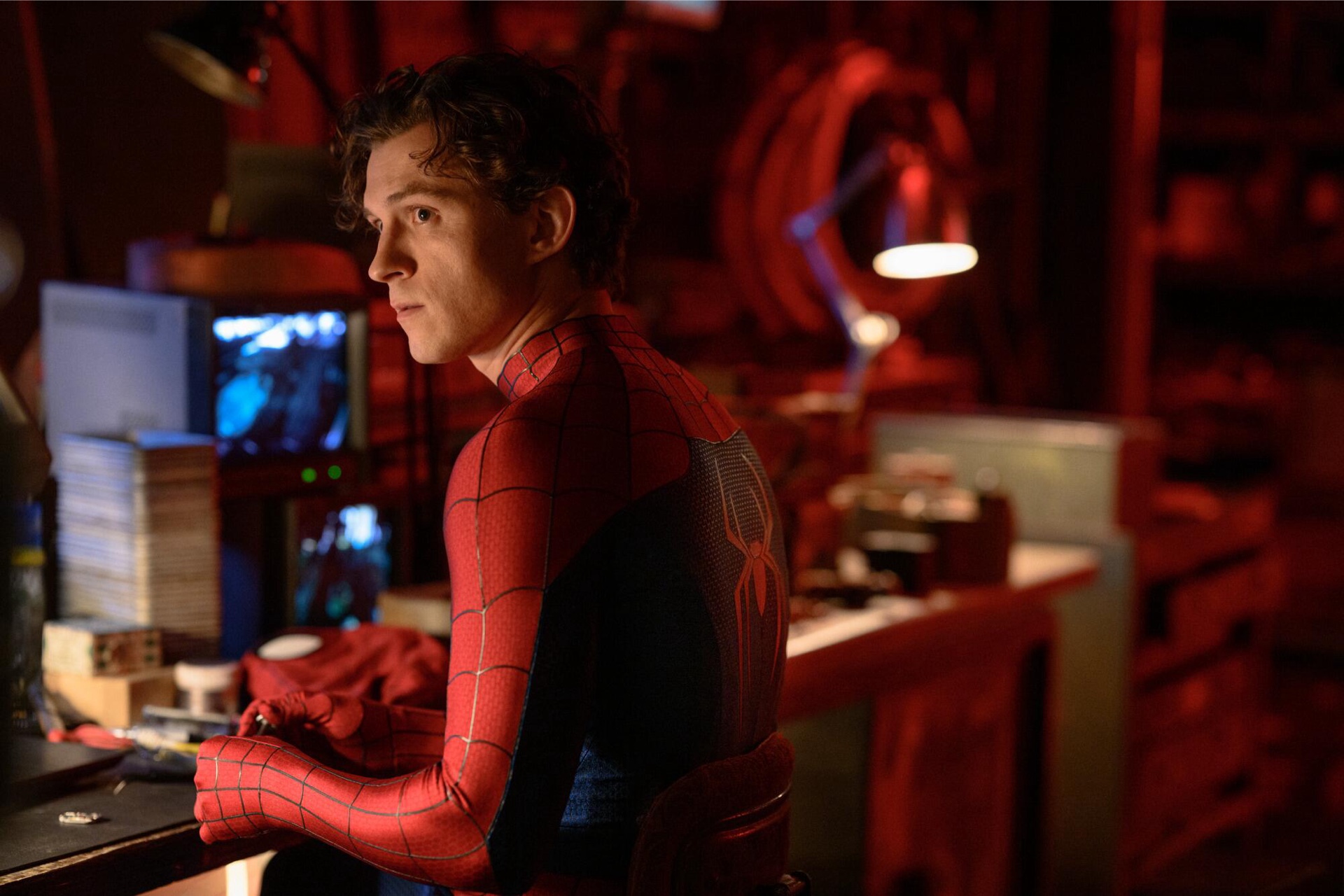
Another viewer broke down the film from a different angle, arguing that Peter's story actually moves backward. "No Way Home" left him alone, stripped of Stark's tech, his friends, and Avengers support, but the new movie puts him right back among his old circle, where Ned and MJ still remember nothing, even if they now know they were once close.
That means the memory-loss plot thread just gets stretched into the next movie instead of wrapping up the arc the previous film started.
Jean's powers raise a whole separate set of questions:
why she didn't just take control of the director and get her sister's location directly
why she didn't just make a guard open the vault
why she didn't use a soldier's own explosives against him
why she went with the elderly-woman-driving-an-armored-truck plan when the Punisher's sticky bombs already blew through the same wall
Despite all these script problems, aggregator scores remain high – 90 percent from critics and 98 percent from audiences on Rotten Tomatoes. On Metacritic, it sits at 66 from critics and 8.1 from audiences.
Some more level-headed fans chalk up these inflated scores to presentation rather than story. Modern cinematography, the bluish color grading, and full-on web-swinging sequences – something the franchise hasn't shown properly in years – are apparently enough for audiences to call this one a standout.