Fallout season 2 could be considered a hidden adaptation of Fallout 4 with Hank replacing the Institute

The finale of Fallout season 2 brought viewers reunions, explosions, hordes of deathclaws, and a shocking post-credits scene that sets the stage for season 3. But the main revelation came from the plot itself – despite taking place in the Mojave from Fallout: New Vegas, the season unexpectedly mirrored key themes from Fallout 4.
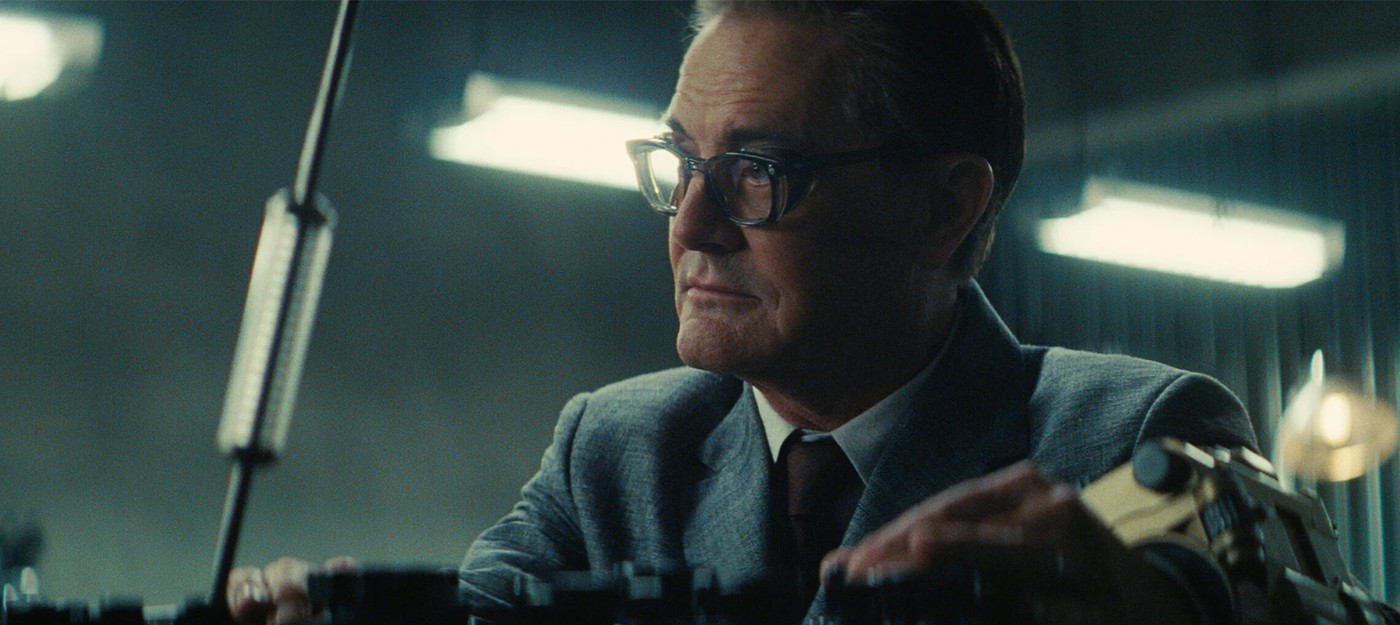
Season 2 begins with Lucy MacLean (Ella Purnell) joining forces with The Ghoul (Walton Goggins) to find her father, Hank MacLean (Kyle MacLachlan). Lucy wants to bring him back to Vault 33 to answer for crimes against the Wasteland and its people. But as the story unfolds, it becomes clear that Hank's interference in Wasteland affairs goes beyond destroying settlements.
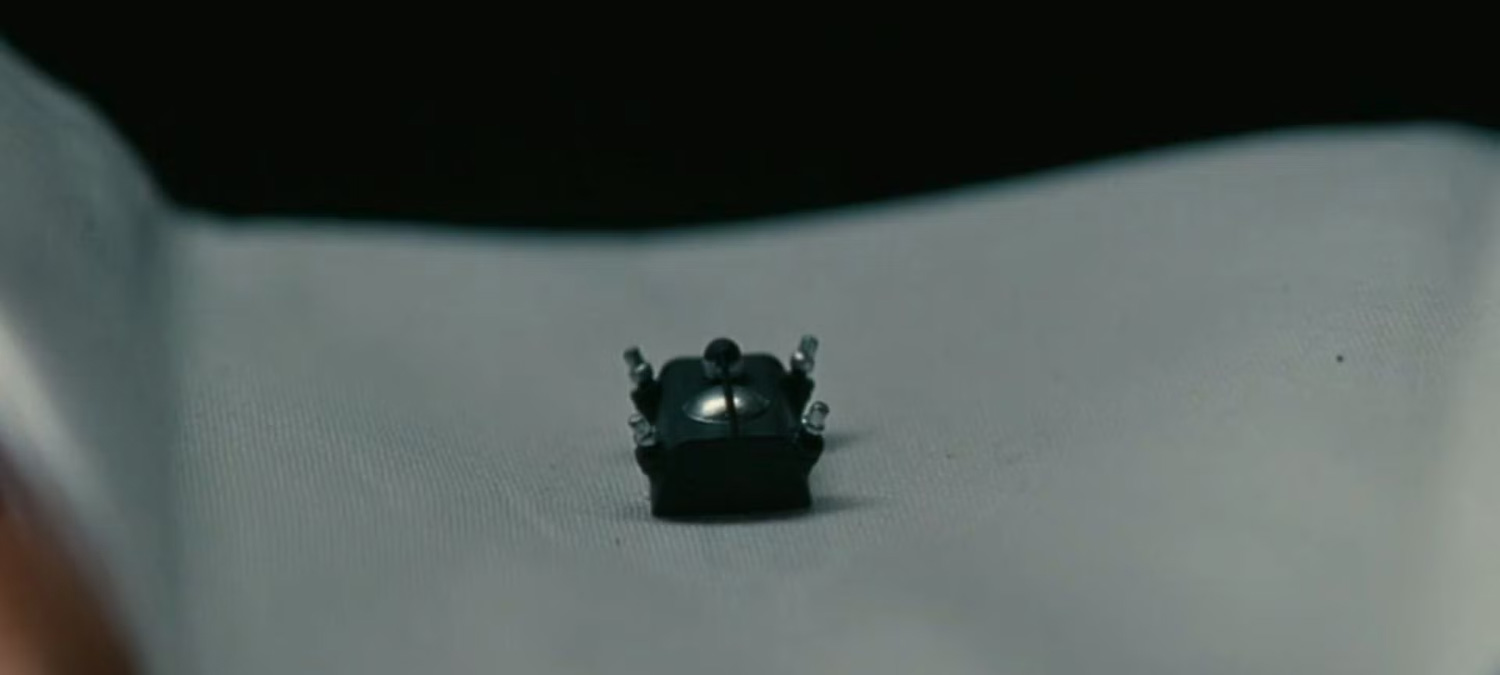
In a Vault-Tec laboratory at the heart of New Vegas, Hank conducts mind control experiments. Using a device implanted at the base of the neck, he can pacify any Wasteland dweller. The technology is demonstrated on several characters, but the most striking example is a member of Caesar's Legion who, after chip installation, instantly loses his bloodlust and becomes calm and friendly.
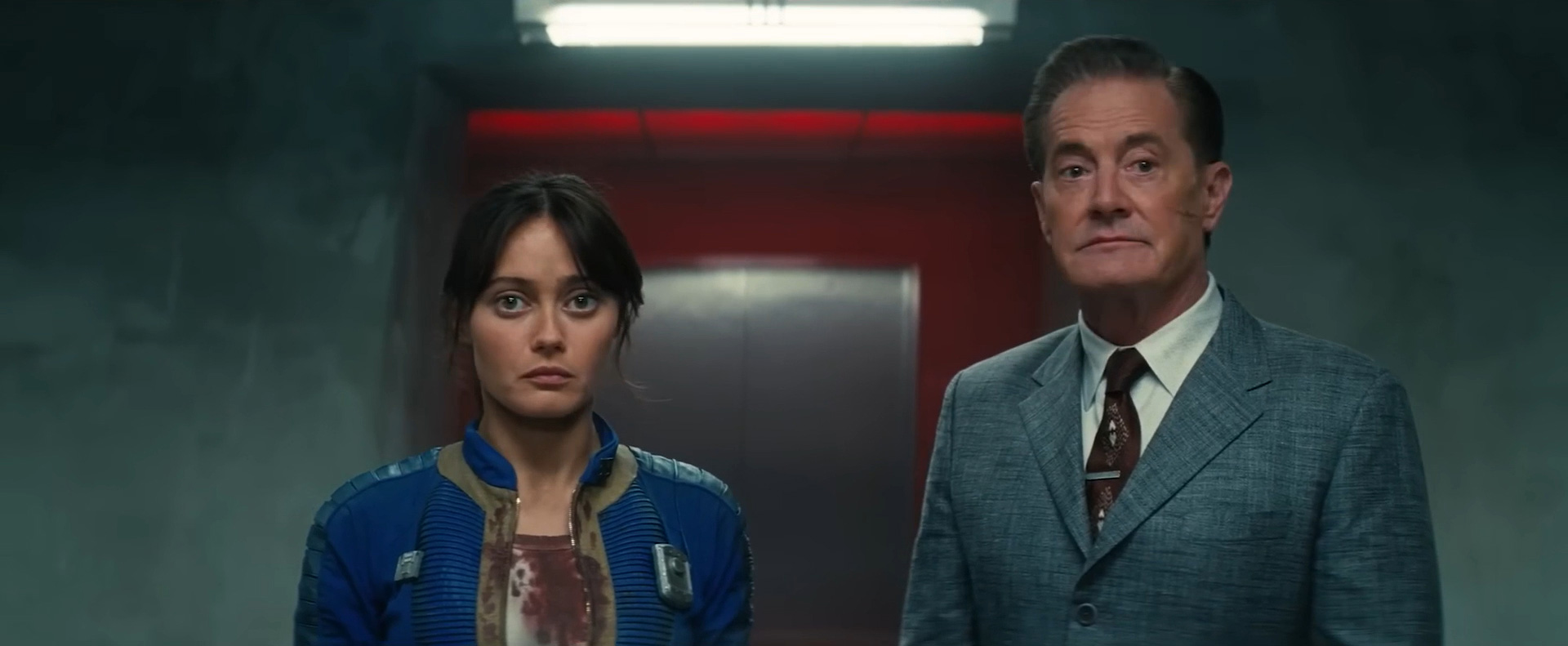
In the season finale, Hank reveals to Lucy that the chips have been installed not just on a handful of his lab employees, but on an undetermined number of test subjects throughout the Wasteland. The technology could make the Wasteland less violent, but would strip people of their identity and free will. This is proven when Hank activates the chip Lucy placed on him – permanently erasing his memory.
The revelation demonstrates what Hank and those he works for are willing to do in the name of scientific progress. This approach to using the entire Wasteland as a testing ground for experiments is familiar from Fallout 4's main antagonist – the Institute.
The Institute is a closed group of scientists who survived the nuclear apocalypse, their long-term goal being humanity's advancement at any cost. One method involves kidnapping and replacing Commonwealth residents with synths (synthetic humanoids). The reasons vary: some Institute scientists call it espionage, others see synths as advanced labor that doesn't need food or sleep. Players encounter synths in different ways – from battling outdated models to freeing them from Institute slavery, forming friendships, and even romantic relationships.
Regardless of their creators' intentions, synths in Fallout 4, like Hank's mind control device, are used by the Institute to monitor and control Commonwealth people. Both organizations view the population merely as experimental material.
Like Lucy, the player in Fallout 4 faces a choice – stop the Institute or accept its plan. The stakes are extremely high. If the player sides with the Institute, it will continue replacing Commonwealth citizens with synths and destroy the Railroad (a faction that liberates synths). Choosing against the Institute means losing the trust of Shaun (the player's child they searched for throughout the game) and destroying the Institute's base in an explosion, erasing decades of research that could have helped the Wasteland without villainous methods.
That the Fallout series conveys the essence and themes of Bethesda's world is a strength rather than a weakness. It shows that showrunner Geneva Robertson-Dworet and the team take seriously the creation of a recognizable adaptation for fans.
On the other hand, some shocking revelations lose their dramatic impact when viewers have already seen them before and even participated in them, as in Fallout 4. The Institute can't be called a perfectly written antagonist – at times it reached comical levels of evil, such as using synths to destroy entire settlements just to test soil production. But the Institute had interesting ideas like creating synthetic animals and reimagining humanity's future. Against this backdrop, Hank's mind control plan appears less convincing.
However, the final stage of Hank's plan has yet to be revealed. Fallout season 3 will show whether it can match the Institute's absurd villainy.