Bethesda veteran believes Fallout TV show revenue means nothing to the company after billions from Skyrim

Former Bethesda lead designer Bruce Nesmith stated that the company's revenue from licensing the Fallout series to Amazon is negligible compared to profits from games. According to him, when the studio earns billions of dollars from hits like Skyrim, royalties for intellectual property rights look like pocket change. Nesmith would be shocked if Bethesda cared at all about direct monetary income from this deal.
However, the main purpose of licensing isn't direct profit but a powerful marketing effect. The show's success triggered a massive surge of interest in the series, evidenced by huge discounts on Fallout games at the time of the second season's conclusion. It's a symbiosis: Amazon gets quality content while Bethesda gains an influx of new players and brand recognition that converts into sales of old and future projects.
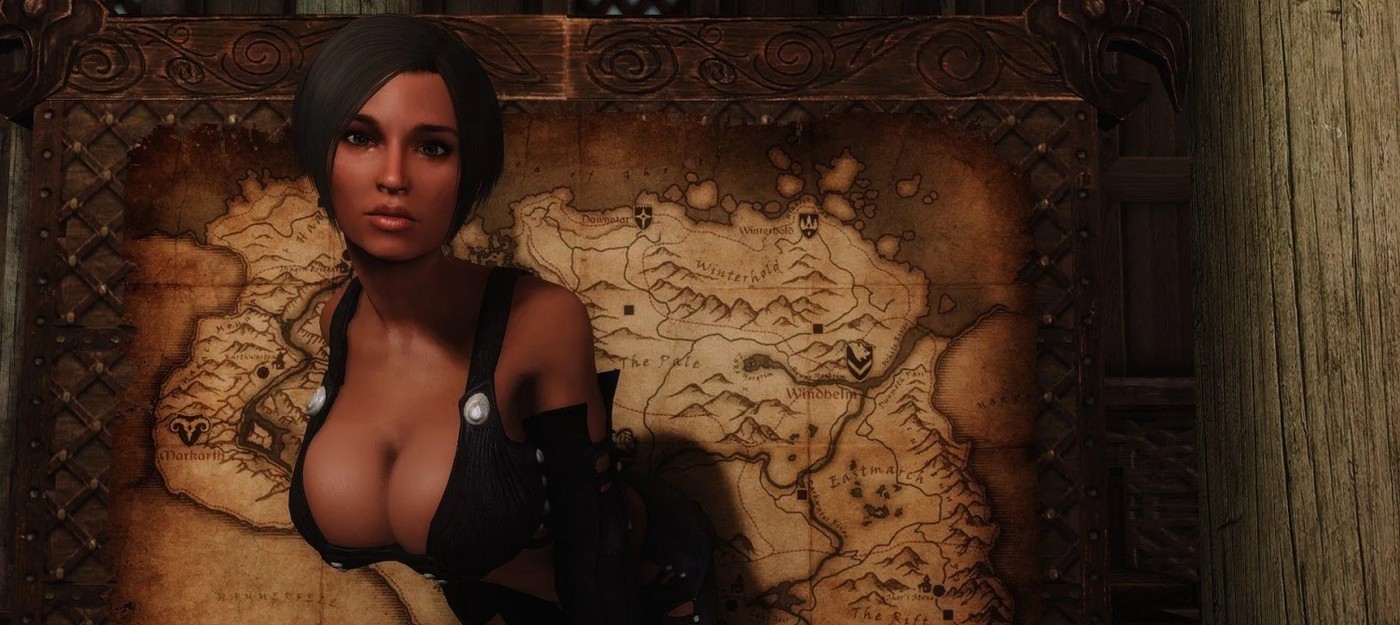
Nesmith questions whether similar marketing is needed for the upcoming The Elder Scrolls 6. Likely not, but ignoring mass culture's influence is impossible. Todd Howard already acknowledged that the series' popularity exceeded all expectations, and the team had to urgently prepare the games' infrastructure for an influx of millions of users. This proves the series works as long-term brand advertising rather than an independent revenue source.
This approach has worked several times before – for example, the Edgerunners anime seriously boosted interest in Cyberpunk 2077, while thanks to the Devil May Cry anime, the fifth installment became Capcom's best-selling game for the fiscal year.
Interestingly, after Fallout's triumph, Todd Howard stopped ruling out the possibility of a The Elder Scrolls adaptation. Though Nesmith believes the fantasy series is harder to adapt due to its lesser uniqueness compared to post-apocalyptic retrofuturism, potential success could further strengthen Bethesda's position.
Ultimately, Bethesda's strategy looks like a long game: while Amazon pays for production and risks, developers gain a refreshed and loyal audience. Direct payments for rights may be modest, but brand capitalization and sales of related products more than compensate for this.