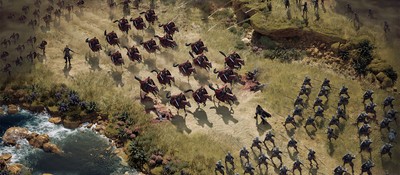
Creator of free Adobe clones releases 3 open alternatives to Word, Excel and PowerPoint

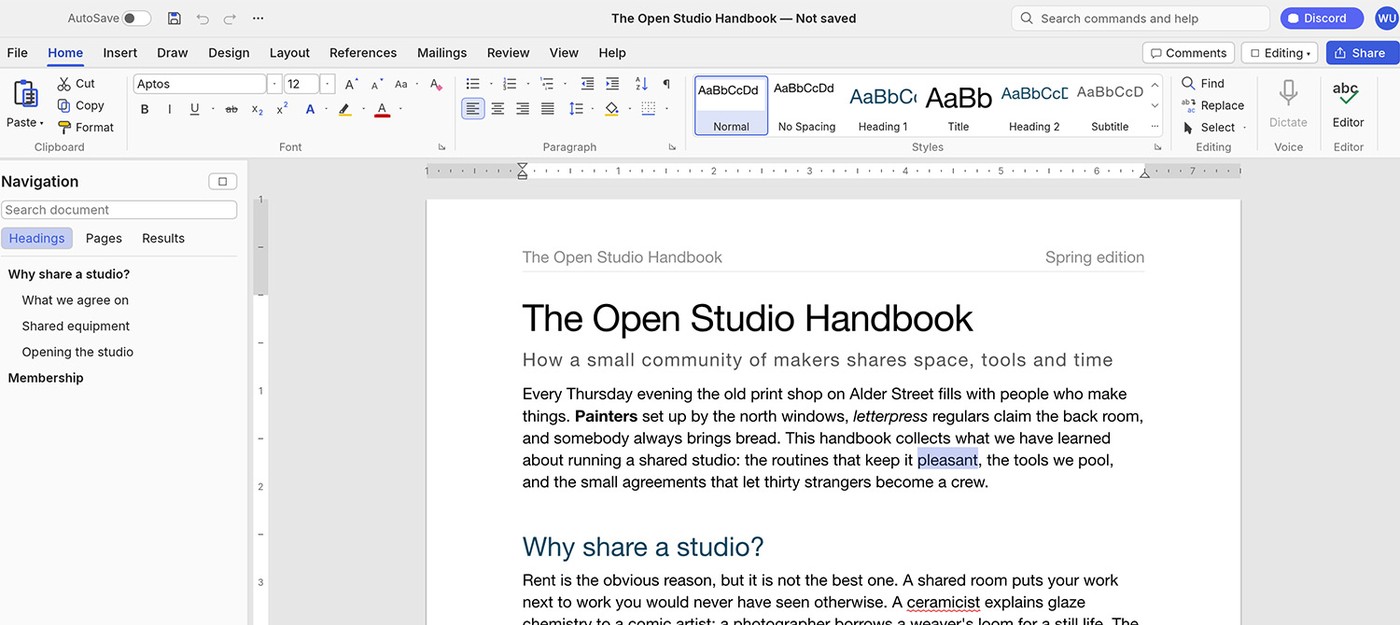
Brandon Thomas, the developer behind ArtCraft, has unveiled a replacement for the Microsoft Office suite. ArtCraft is a set of free, open-source creative tools that replicate Adobe applications.
The collection now includes three programs meant to replace Microsoft's most popular Office tools:
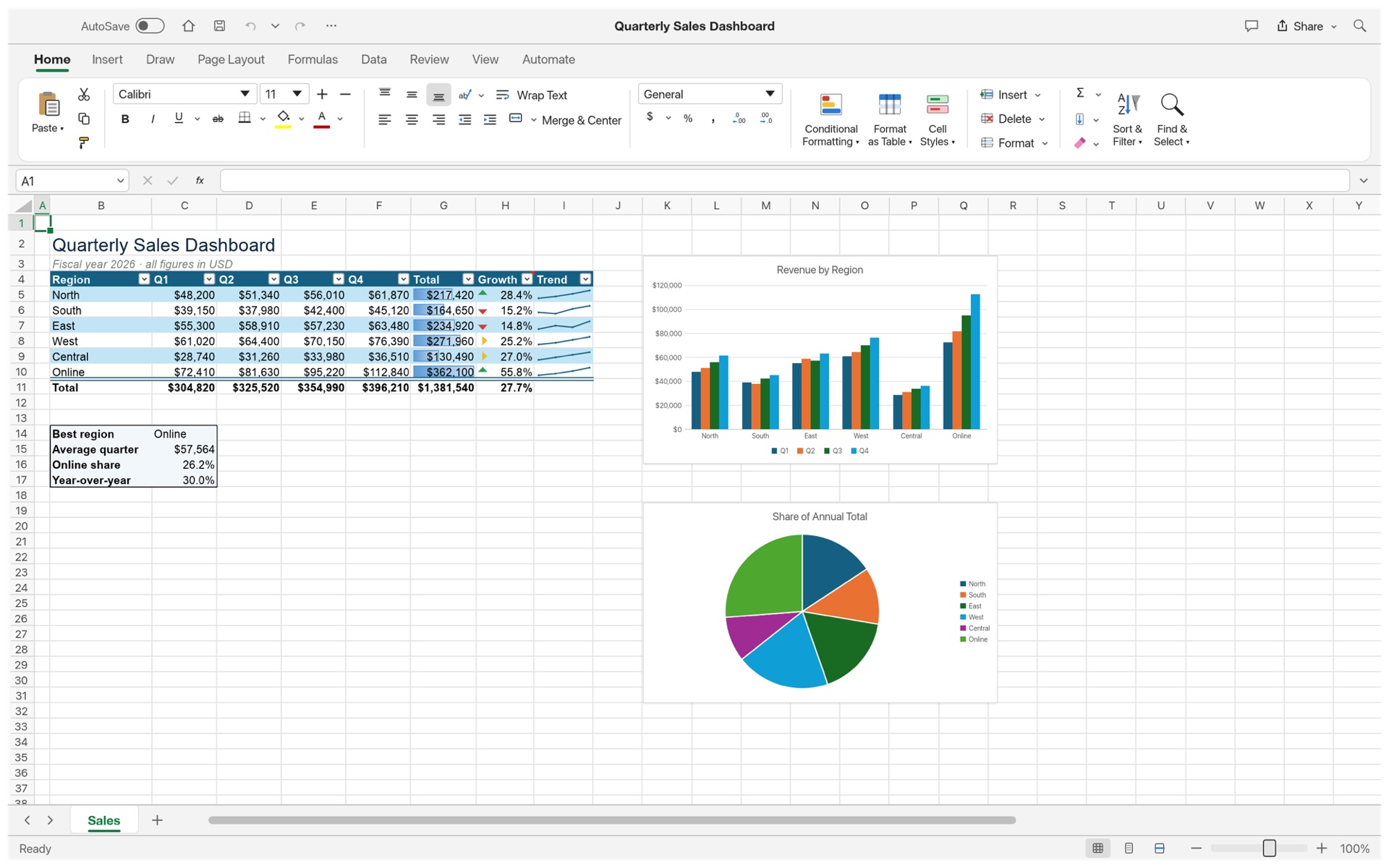
GridCraft – an Excel alternative for spreadsheets
DeckCraft – a PowerPoint replacement for building presentations
WordCraft – a Word-style text editor
All three apps were built with Claude, the AI model from Anthropic. Thomas published them on GitHub, and anyone can download the programs for free.
The author released the first ArtCraft tools under the username u/ai_art_is_art. It later turned out that the account belongs to Thomas, a software engineer with 15 years of experience. Once ArtCraft took off, criticism followed.
Skeptics called his apps the product of vibecoding, an approach where a neural network writes nearly all the code from text prompts while the human merely steers the process and barely understands the result. Accusations of producing AI slop, meaning low-quality machine-generated content, also piled up. Thomas responded to critics on October 9 on his X account.
My guy, I can code
In college I was building laser games on skyscrapers and cloning the luciferase-luciferin system into plants via agrobacterium-mediated transfection
AI models enable me to work as an entire company. I'm doing 4x better than Google's revenue per employee
The developer sees cross-platform support as one of ArtCraft's main strengths. Adobe apps officially run only on Windows and macOS, so Linux users have to rely on compatibility layers and Windows emulation. Microsoft Office is in a similar spot, with no full-featured desktop version for Linux.
ArtCraft tools run on all three systems and look identical regardless of the OS. That parity is one of the key goals of the whole collection. Google offers free Sheets, Docs, and Slides on any platform through a browser, but the online-only model takes control of the software away from the user.
Members of the ArtCraft community worry that cloud services could suddenly become paid one day, leaving users with no say in the matter. Local open-source apps carry no such risk. The program stays on the user's computer, and its source code is open to everyone.
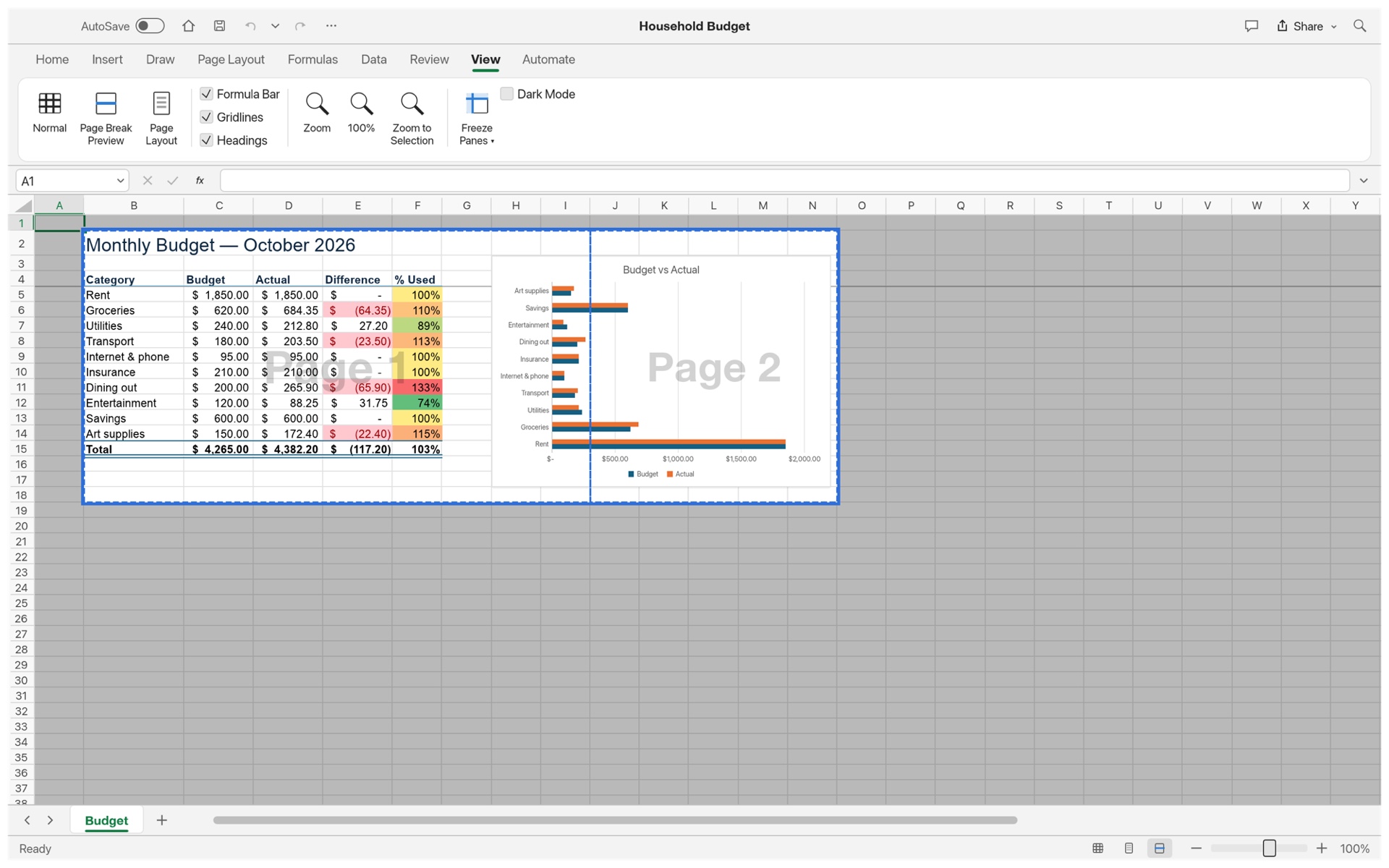
Microsoft, like Adobe, has long been criticized for its business practices. The office suite that once sold for a one-time fee now comes as a Microsoft 365 subscription. It bundles many tools, most of which plenty of people don't need, and some of which overlap in features.
As a result, users end up overpaying for things they never use. Against that backdrop, Thomas's work looks like more than an attempt to build free alternatives – it also reads as a targeted protest against the subscription model. The same complaints about Adobe came up when ArtCraft launched.
The ArtCraft Discord community is growing fast, with members constantly suggesting new programs to clone. CADcraft comes up most often – a possible alternative to Autodesk tools like AutoCAD and Fusion 360. The idea especially appeals to 3D printing enthusiasts and engineers who dislike Autodesk policies just as much as they dislike the approaches of Microsoft and Adobe.
Still, most apps in the collection fall well short of the originals in functionality. Free alternatives to office and creative suites were plentiful even before vibecoding took off, so the new tools have yet to prove their worth.
Some see a different kind of potential in them. According to one commenter, the apps can be hooked up to AI agents and, without a graphical interface, be tasked with automatically creating complex documents.
- Madman spent 500 billion tokens and used 17 AI agents to recreate the source code of the original Modern Warfare 2
- SNES emulator developer for Analogue Pocket fed up with yet another vibe coder submitting 50,000 lines of AI code for review
- Creator of the first Windows Task Manager wrote a new version using AI – the specification took 107 pages