Warhammer 40,000 experts calculated how many Imperial Titans are needed to take down a Reaper from Mass Effect

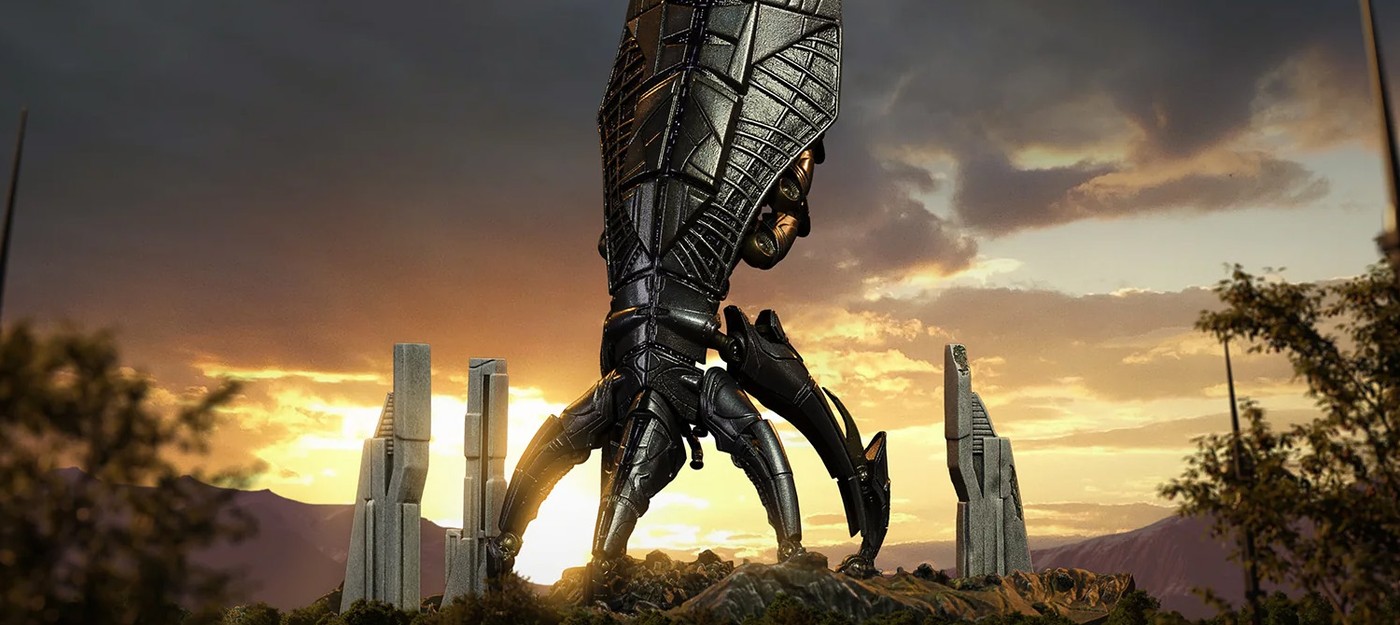
Pitting two universes against each other is a favorite pastime for fans, especially when the fight involves combat machines the size of skyscrapers. The premise is simple – how many Imperial Titans from Warhammer 40,000 would it take to destroy a Reaper, assuming the Reaper can't just fly off and bomb its opponent from orbit.
Round one pits Titans against a Destroyer-class Reaper, while round two goes up against a Sovereign-class behemoth.
Against a Destroyer, Titans actually stand a chance, since these Reapers are only slightly larger than the biggest Imperial war machines like the Emperor-class Titan. Against a Sovereign-class Reaper, though, things look grim.
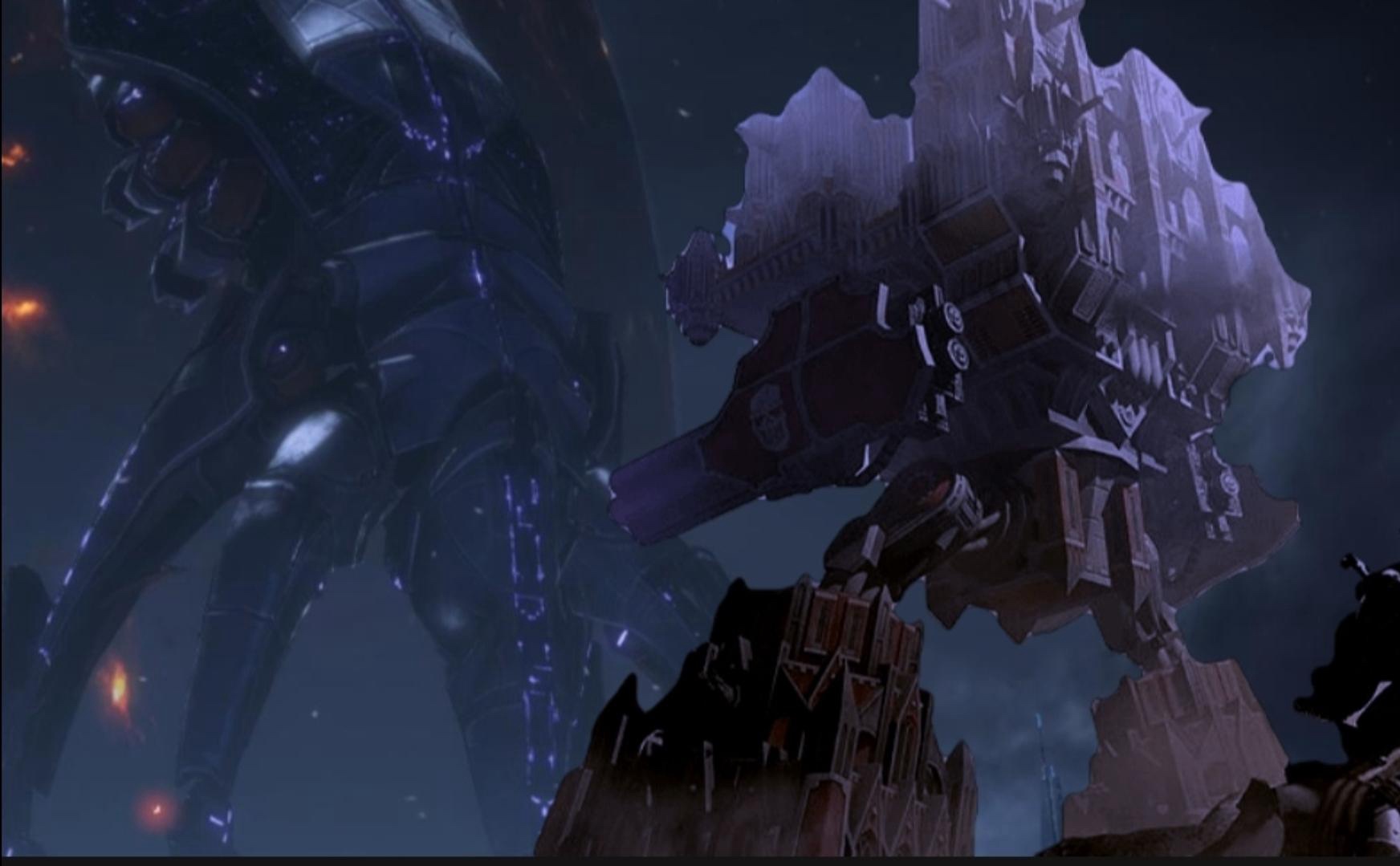
It's worth remembering that Sovereign single-handedly fought against the Citadel defense fleet and a combined Alliance fleet, and only lost by a hair.
Its main weapon can destroy a dreadnought in a single shot, and its kinetic barriers can absorb fire from multiple ships before starting to weaken. There's even a neat detail from the first game – Sovereign only went down because after Saren died, the feedback stunned him just long enough for the fleet to land a finishing blow.
This is where things get interesting from a weapons physics standpoint. Mass Effect tries to stay grounded in something resembling scientific plausibility, working in kilotons, while Warhammer calibers get measured in megatons, gigatons, and teratons without any hesitation.
One commenter summed up the difference nicely – in the ME universe, a slug accelerated to 99.9% the speed of light would simply cut a Titan in half, and the Imperial fleet with guns built for void warfare would grind ground-based war machines into dust. Titans exist for surface warfare, not duels against orbital-caliber weaponry.
That said, Titans have an unexpected trick up their sleeve. In the novel Titandeath from the Horus Heresy series, Warlord-class Titans and larger actually shot down ships in low orbit, so writing them off as helpless giants might be premature.
Defense is a separate headache entirely. Reaper kinetic barriers are built to stop physical objects moving at extreme velocities, but how they'd hold up against lasers, plasma, and the more esoteric arsenal of 40k – vortex weapons or guns that teleport targets into the warp – remains an open question. That said, lore descriptions of Reaper tech do mention protection against energy-based attacks as well.
A key point that often gets overlooked concerns just how powerful Mass Effect weaponry really is within its own universe. An Alliance dreadnought fires rounds carrying roughly 45 kilotons of force, three times stronger than the Hiroshima bomb, but by real-world standards that's fairly modest, since the most powerful nuclear device ever tested reached 50 megatons.
Going purely by the numbers, the combined arsenals of the US and Russia could theoretically take out several thousand Sovereigns. The real strength of the Reapers, though, isn't raw firepower at all – it's their control over the relays and their use of indoctrination, which turns fallen soldiers into new combat drones. Imagining an Imperial Space Marine reprocessed into a husk is scarier than any firefight.
There's also a purely lore-based take that renders every calculation moot.
A Titan would simply fall apart, because the Mechanicus adepts aboard wouldn't dare open fire on such an obvious manifestation of the Machine God's will.
- Players have chosen the highest quality trilogies in the gaming industry – Mass Effect, God of War, Metal Gear Solid, and Batman: Arkham are leading
- Gamers are happy for those who are starting Mass Effect for the first time, and chose the most memorable moments from the game
- A sister recommended Red Dead Redemption 2 to her brother, but regretted this decision after he decided to skip all the cutscenes