People hated it – Todd Howard discusses Fallout 3's controversial ending

Bethesda director Todd Howard shared memories about the finale of Fallout 3 and the extremely negative player reaction to the original ending. The game's executive producer explained why the team decided to conclude the game this way and how unexpected the audience's response was for the developers.
In a conversation with Game Informer, Howard explained how Bethesda tried to stay faithful to the first two games in the series while simultaneously introducing significant changes – such as transitioning from an isometric view to first- and third-person perspectives. During development, the team decided that "like the other Fallouts, it has to end" – the player reaches the final point, followed by a closing video. Despite enthusiastic critical reviews, player dissatisfaction grew as they progressed through the game: many were disappointed that after completing the main story, they couldn't continue exploring the wasteland and finish incomplete side quests.
The final mission with the water purifier activation sparked particular outrage. Due to lethal radiation, the player could either sacrifice themselves or send in Sarah Lyons – in both cases, the game immediately ended. Meanwhile, radiation-resistant companions like Super Mutant Fawkes, robot Sergeant RL-3, or Ghoul Charon flatly refused to help, causing understandable bewilderment among players.
The only thing we ended up changing in Fallout 3 was the ending. We thought: "Well, like in previous Fallout games, it should end." You know, like: "We have this character system, this is how perks work, and when you reach the end – that's it. You watch a video, and the game concludes." And we thought: "It's Fallout! It's cool!"
People hated it! They wondered: "Why should the game end?!" You know: "Other games don't end!" And we were like: "Well, we were just being faithful to that idea."
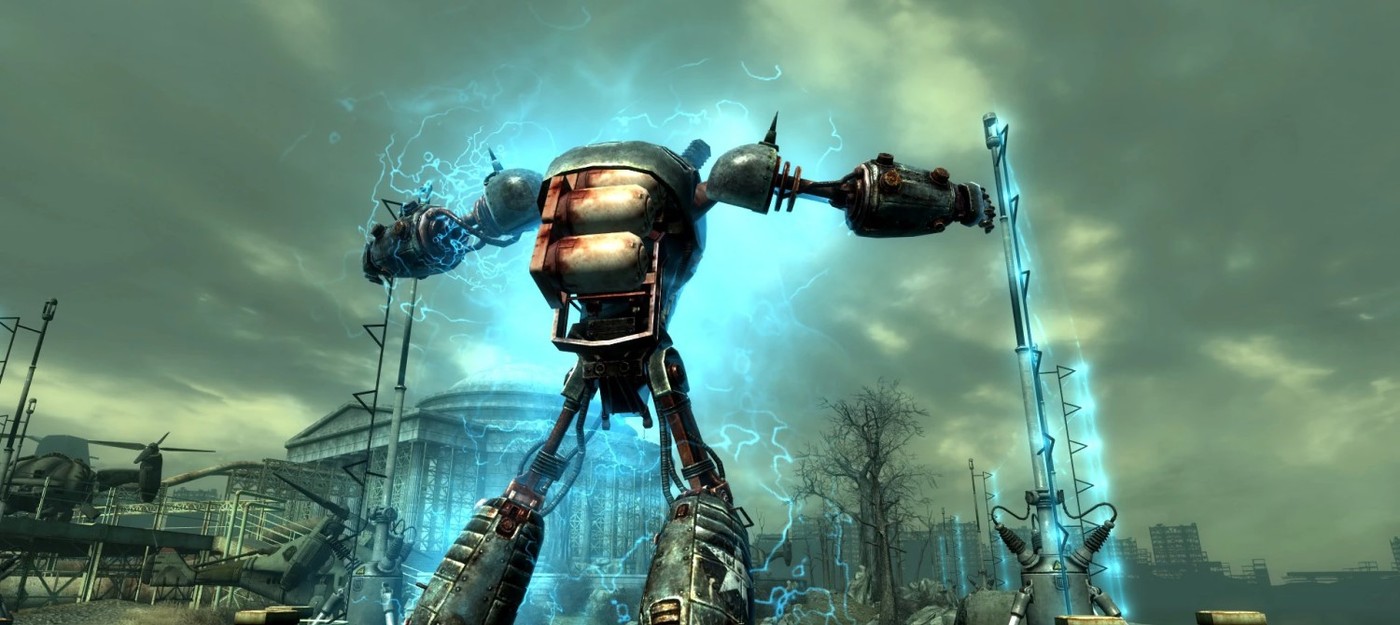
Bethesda took the criticism into account when developing the Broken Steel DLC, which allowed players to continue their adventure after the main story concluded and changed the behavior of radiation-resistant companions – now they could be convinced to perform the task. Many were satisfied with the fixes, though some criticized the studio for effectively putting access to content behind a paywall. In Fallout 4, the developers didn't repeat this mistake, allowing free exploration of the world after the finale.
A similar situation occurred several years later with Mass Effect 3, whose disappointing ending sparked an even greater storm of outrage. BioWare followed Bethesda's example, releasing the free Extended Cut DLC with additional cinematic scenes, an epilogue, and expanded options for the final choice.