Former Skyrim designer reveals Starfield's core problem – the game didn't come together as a cohesive whole


Kurt Kuhlmann, Bethesda's former Elder Scrolls loremaster and co-lead designer on Skyrim who left the studio in 2023 after Starfield's launch, identified the core problem with the space RPG. The developer stated:
The main problem with Starfield is it didn't fully cohere as a game.
According to Kuhlmann, management structure at Bethesda changed radically after Skyrim. While working on Skyrim, he directly collaborated with all quest designers as a lead, but by the time Starfield rolled around, the situation had transformed.
Todd Howard remained creative director, but leads now included studio heads and producers from multiple studios.
Essentially, leads stopped creating content and focused on management instead, which bothered the developer.
Zenimax's expansion through acquiring various studios led to communication problems.
There would be people talking to the leads in one studio and getting an answer, and people talking to the leads in the other studio and getting maybe a different answer.
Howard's growing responsibilities also created delays in decision-making.
Decisions weren't being made maybe when they needed to be because maybe they needed Todd to make a decision as a tiebreaker and he was busy.
In other words, Howard being pulled away from game design seriously hurt the project.
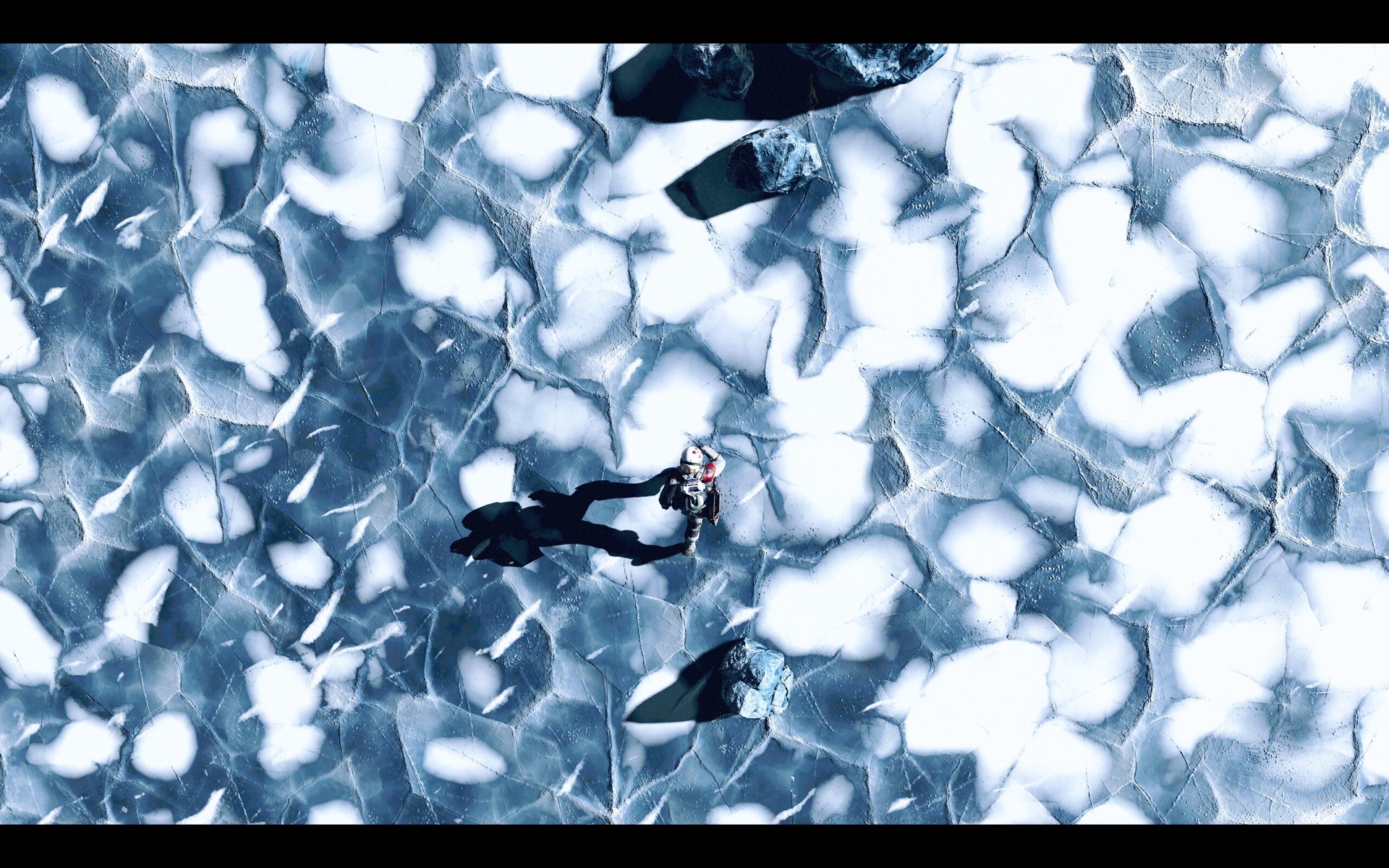
Starfield became a victim of Bethesda's ambitions – roughly 50% of the game was brand new: space setting, space combat, procedurally generated planets and ship customization. The studio lost its greatest weapon – "institutional knowledge". Previously, each game built upon its predecessor, but now Bethesda faced the question of how to integrate new systems into quests and narrative.
Prolonged instability of key systems created problems for quest designers.
If spaceships and planets don't really work for a long time, you are just guessing how you should integrate that into your mission, your quests and stories, and it might change fundamentally.
Designers reworked quests while simultaneously avoiding adding elements that might change, making the game feel less cohesive. Fallout 76's reception forced the team to spend more time on polish.
The developer noted the game turned out "solid" but didn't reach Bethesda's best work.
We had tried to take this huge leap into this new genre with all these new systems and things … I don't know that you should expect that if you jump into the space combat genre that you're going to be better or as good as games that just do that, and have maybe been doing it for multiple iterations, right? Like, it was good enough. It wasn't, like, embarrassing.
The aesthetic and celestial mechanics turned out excellent, but pieces of the game didn't connect with each other – this is where Starfield falls short of the studio's other projects.
- Starfield is coming to PS5 and getting free flight between planets in a star system
- A Starfield fan made a trailer about their own adventures in the game
- Former Skyrim designer explains why removing attributes went almost unnoticed by players