The family of Clair Obscur: Expedition 33's main character – real monsters

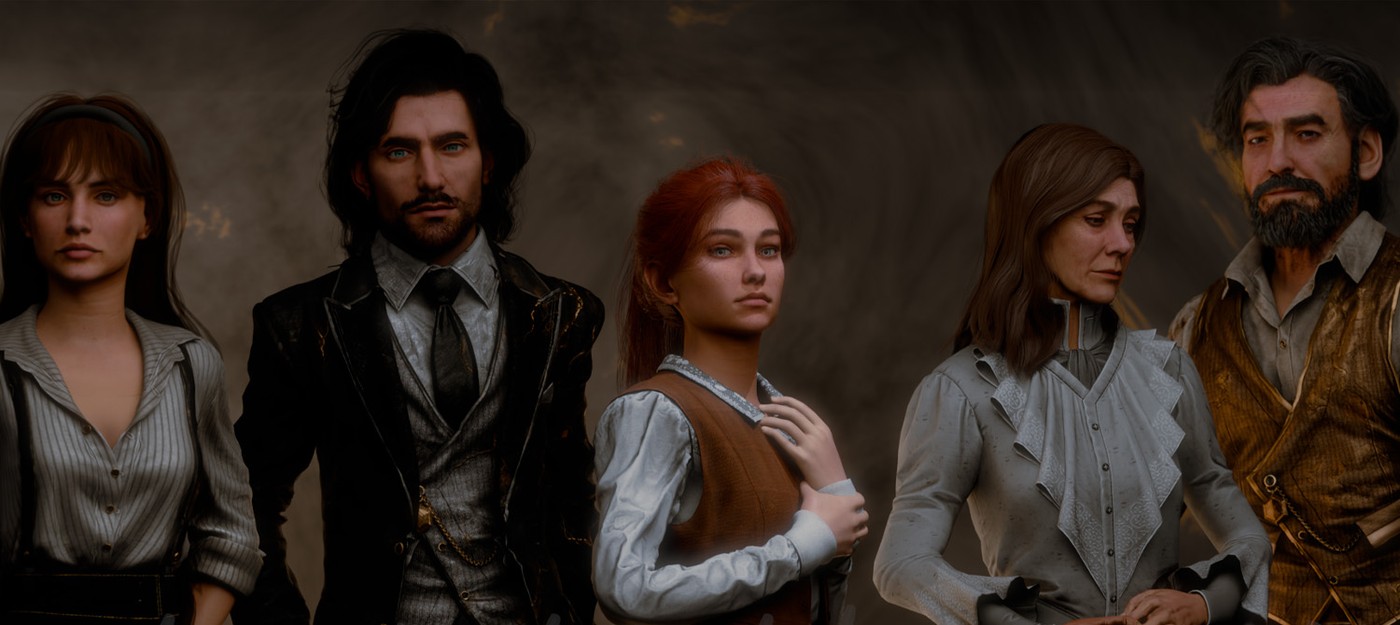
The scariest villains in history are the ones who genuinely believe they're the victim. And when that victim happens to hold a paintbrush capable of creating living people, an ordinary family drama turns into industrial-scale genocide.
Clair Obscur: Expedition 33 from Sandfall Interactive launched in April 2025, and for its opening hours it plays things straight as a story about fighting an outside evil, one where a Painter wipes out everyone who reaches a certain age, year after year.
Closer to the finale it turns out that mythical evil has a last name and sits at the family dinner table. After finishing the game, some players landed on a simple conclusion: the Dessendres are horrible people, and there's no way to justify a single living member of that family.
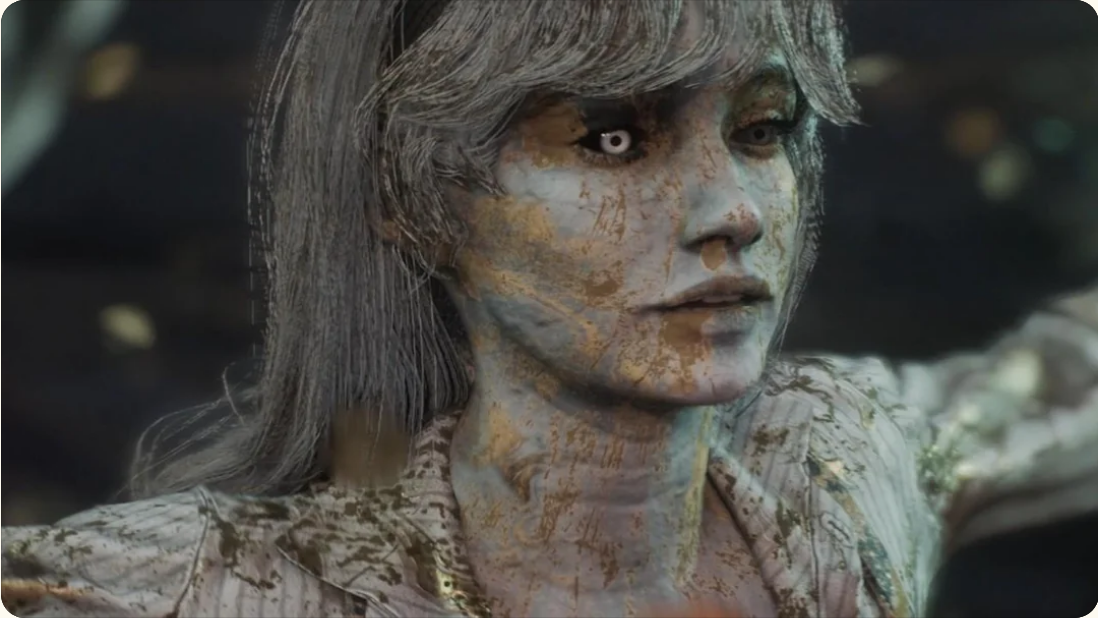
The original sin here isn't the Gommage, it's the act of populating the Canvas in the first place. Verso built a world of adventure and magic the way a kid would build one, and after his death his mother stepped into that painting and filled it with sentient people, including copies of real ones, all doomed to suffer just so she could find some comfort for herself.
People like to treat Renoir as the one responsible adult in the room, but his logic of "I'm doing this to protect my family, whatever the cost" belongs to a very different category of people throughout history. The cost turned out to be orphaned children, broken relationships, and a whole society that built rituals around inevitable death.
Nobody should hold power where their personal breakdown turns into genocide.
Clea looks like she's operating on a whole different level: nearly every monster tearing through Lumiere is her work in one way or another. There's a bitter irony in the fact that she's the one waging a one-woman war against the Writers, and the idea of a sequel with Clea as the antagonist sounds scarier than any superboss in the game.
Maelle follows in her mother's footsteps, just adjusted for age – by act three she's already deciding who lives, who gets resurrected, and who isn't allowed to move on. That's exactly why her ending feels wrong. Art, like life, only means something because it ends, and forcing an existence to drag on turns everyone into Verso, begging to be let go.
The Dessendres never became gods. They just got handed godlike tools without ever growing out of childhood.