18-year-old guy bought 20 DDR5 modules for $1600 to resell in 15 years

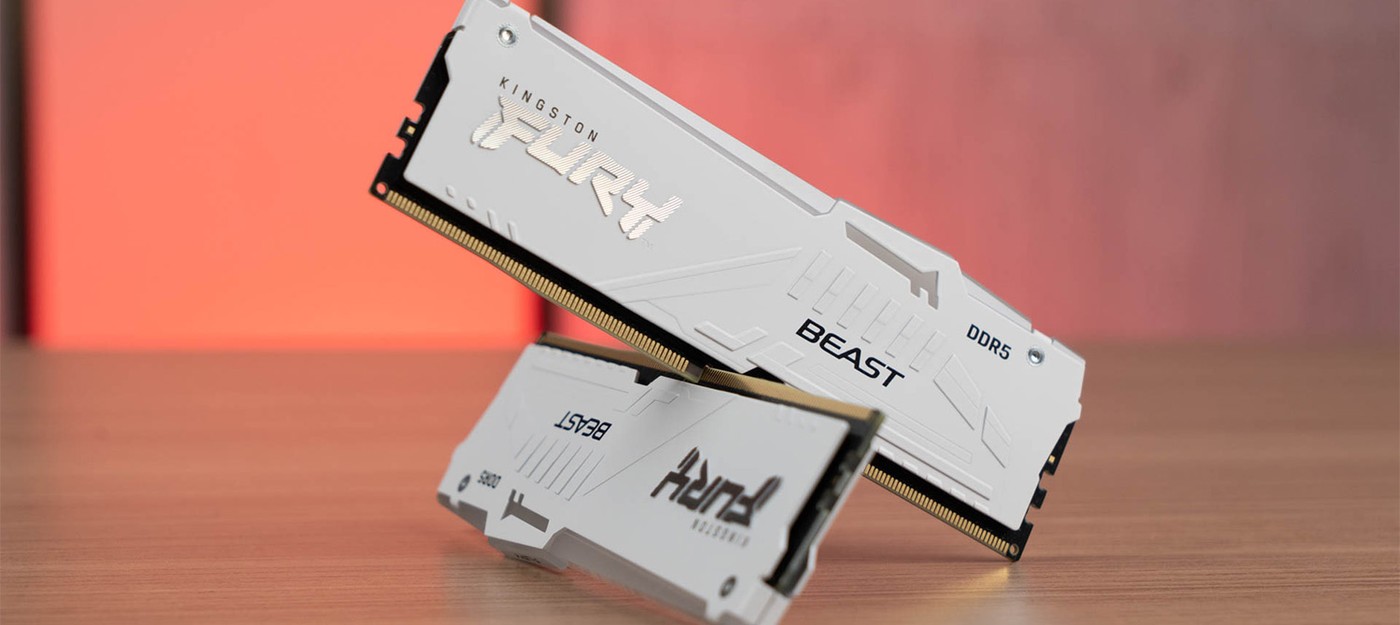
An eighteen-year-old buyer purchased twenty Kingston Fury Beast DDR5 sticks for a total of $1,600 and stashed them in a drawer.
The plan spans ten to fifteen years, after which he expects to sell the memory once the standard becomes obsolete and owners of old PCs start hunting for parts. A fivefold increase would turn the investment into eight thousand dollars. The question is what inflation will look like by then.
The reasoning rests on the cyclical nature of shortages. By his logic, hardware shortfalls repeat on a regular basis, and AI demand won't let memory prices drop back down quickly. The bet is on history repeating itself, not on the specific characteristics of the modules.
The current market situation partly supports this argument:
the spot price of a 16-gigabit DDR5 chip climbed from about $6.84 in September 2025 to $27.20 by December, nearly a 298 percent jump in a single quarter
a 32GB DDR5-6000 CL30 kit that cost under $90 at the start of 2025 rose to roughly $529 by year's end
consumer memory prices gained up to 110 percent in the first quarter of 2026, with SSDs up as much as 147 percent
HP reported that memory's share of PC component costs rose to 35 percent, up from 15-18 percent the previous quarter
The cause lies in capacity reallocation – Samsung, SK Hynix, and Micron produce over 95 percent of all DRAM, and they're shifting wafers toward high-margin HBM for AI accelerators. Estimates suggest AI will consume about 20 percent of global DRAM production in 2026. Micron is winding down its consumer Crucial brand, and stores in Tokyo's Akihabara district have imposed purchase limits on memory.
Objections boil down to hardware being a poor long-term investment. Critics compared it to trying to sell a Pentium processor today, noting that nobody wants 20GB hard drives or 1GB memory sticks from fifteen years ago. A collector's premium isn't guaranteed either, since a market for that specific kind of old hardware might simply never materialize.
Another argument attacks the premise of repeatability itself. DDR4 did triple in price during the cloud data center boom of the late 2010s, but then crashed to record lows once new capacity came online. The previous major DRAM shortage in 2017-2018, driven by smartphone demand, roughly doubled prices before a collapse followed in 2019.
The practical side raises just as many doubts. Storing modules for a decade creates its own risks to functionality, and by the time of the sale, current platforms could have already moved on to newer standards.
One option: cast the sticks in resin and sell them as numbered art pieces, since the bet is on rarity anyway.