Heroes of Might and Magic III is GOG's top-selling retro game, and nearly half its buyers are under 25

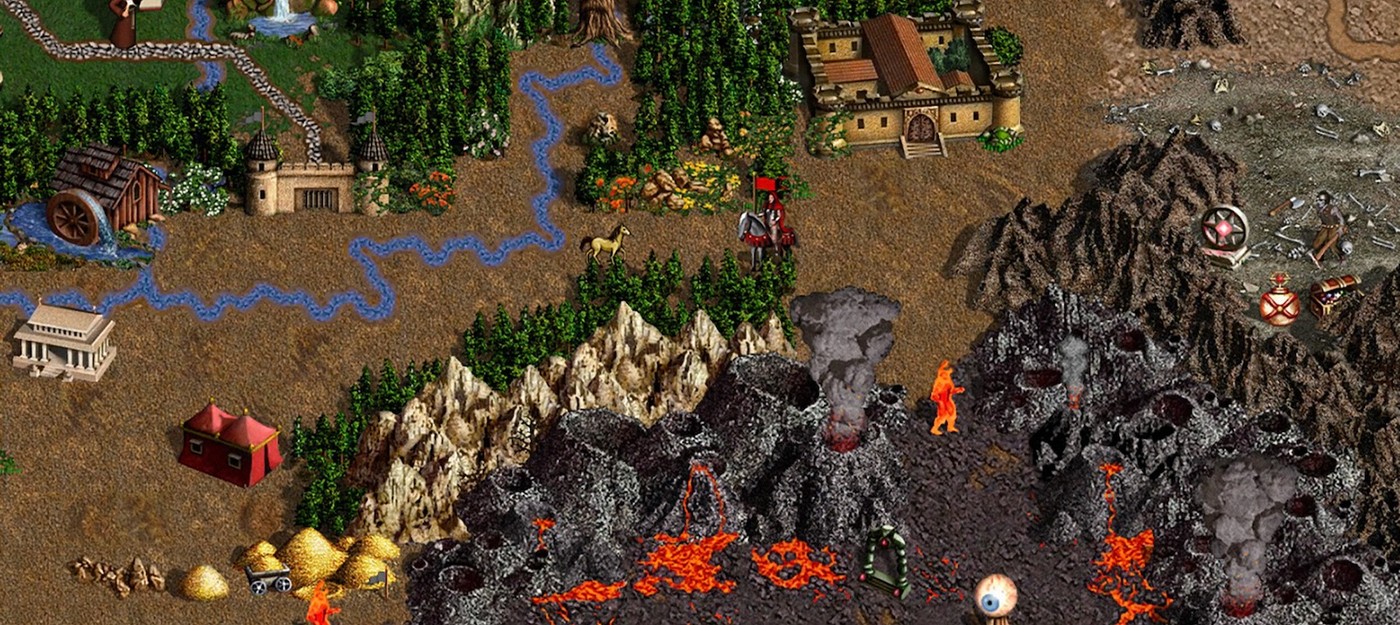
The classic strategy game Heroes of Might and Magic III sits at the top of GOG's retro sales charts – which is notable on its own. But here's the more striking part: nearly half of all buyers are under 25. These are people who couldn't have been old enough to experience the original 1999 release firsthand, yet they're actively picking up a 25-year-old strategy game with visuals to match.
GOG has a theory about this, and it could reshape how the industry thinks about what actually matters to modern players. According to the platform, generations raised on Minecraft and Roblox simply don't treat graphical or technical fidelity as a deciding factor.
Pixels and low-poly models aren't a dealbreaker for them – just another visual style. That, according to GOG, represents a genuine shift in market logic: technical superiority no longer guarantees appeal to younger audiences.
At GDC 2026, GOG representatives brought up the thorny issue of classic games that remain unavailable. The platform cited one unnamed title that can't be re-released due to a simple error in a publishing contract – no hints, no name given:
"You will not believe how many games are not available because of a simple mistake [with rights agreements]."
Legal dead-ends like this are one of the main reasons a significant chunk of gaming history effectively disappears from the market, with no legal way to access it anywhere.
GOG's take on the word "retro" itself is also worth a look. The platform treats it not as a strict chronological label, but as a marketing concept.
By their definition, retro is any game where nostalgia can play a role in its marketing – even if it came out roughly a decade ago. That framing blurs the usual boundaries and pulls mid-2010s games into the retro category, reflecting just how fast cultural cycles are moving in the age of digital consumption.