Custom AMD SoC, neural texture compression, and ML multi-frame generation – Microsoft reveals Project Helix hardware details


At the "Building for the Future with Xbox" event at GDC 2026, Microsoft laid out the technical details behind its next-generation console, Project Helix. A presentation slide confirmed the key innovations – from a custom AMD chip to neural texture compression.
As previously announced, Project Helix will support both Xbox console games and PC titles. The heart of the system is a custom AMD SoC, co-designed for the next generation of DirectX.
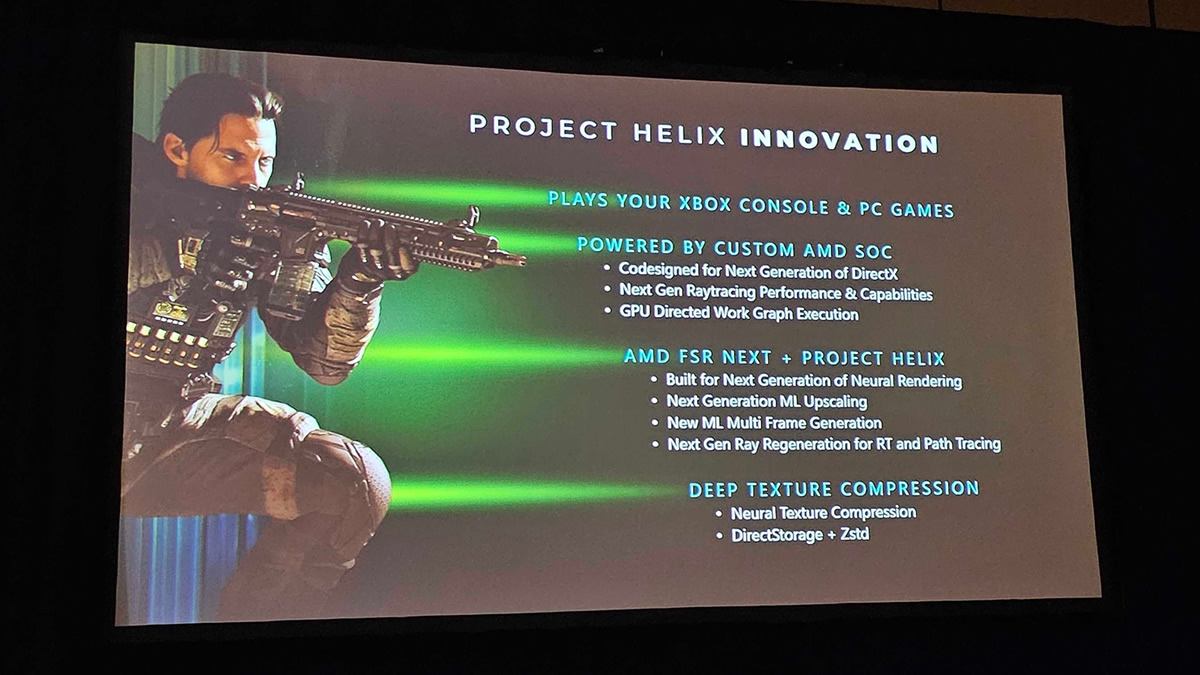
Here's what's currently known about the chip's capabilities and related technologies:
Next-generation ray tracing with improved performance and expanded capabilities
GPU Directed Work Graph Execution – a technology that lets the GPU independently manage the distribution of compute workloads
Next-generation ML upscaling as part of AMD FSR Next
ML Multi-Frame Generation – a multi-frame version of the technology AMD has not announced outside of this presentation
Updated Ray Regeneration for games with full path tracing
Neural Texture Compression for improved memory efficiency
DirectStorage support paired with the Zstd algorithm for stronger game data compression
The multi-frame ML generation reveal stands out in particular – AMD currently only has a 2x version of that technology, meaning the Project Helix presentation effectively offered a glimpse into AMD's future GPU roadmap.
Project Helix is clearly positioned as a console built for the AI and ray tracing era, a significant step above the current Xbox Series hardware. Xbox VP of next generation Jason Ronald confirmed that alpha hardware units will start shipping to developers in 2027.
Ronald didn't clarify what exactly "alpha version" means in this context, but given the presentation's developer focus, it most likely refers to devkits that studios can use to start building games for the new console.
Based on the slides shown, Microsoft and AMD are working on many of the same technologies that AMD is co-developing with Sony for the next PlayStation.
Neural Texture Compression, for instance, sounds functionally similar to the Universal Compression protocol Sony detailed last year. The next-generation DirectX announcement also extends beyond console – the updated graphics API will have a meaningful impact on PC gaming as well.
Microsoft also reaffirmed its commitment to backward compatibility, with games from four generations of Xbox remaining playable on the new platform. As part of the brand's 25th anniversary celebrations later this year, the company promises new ways to revisit iconic titles from its past.
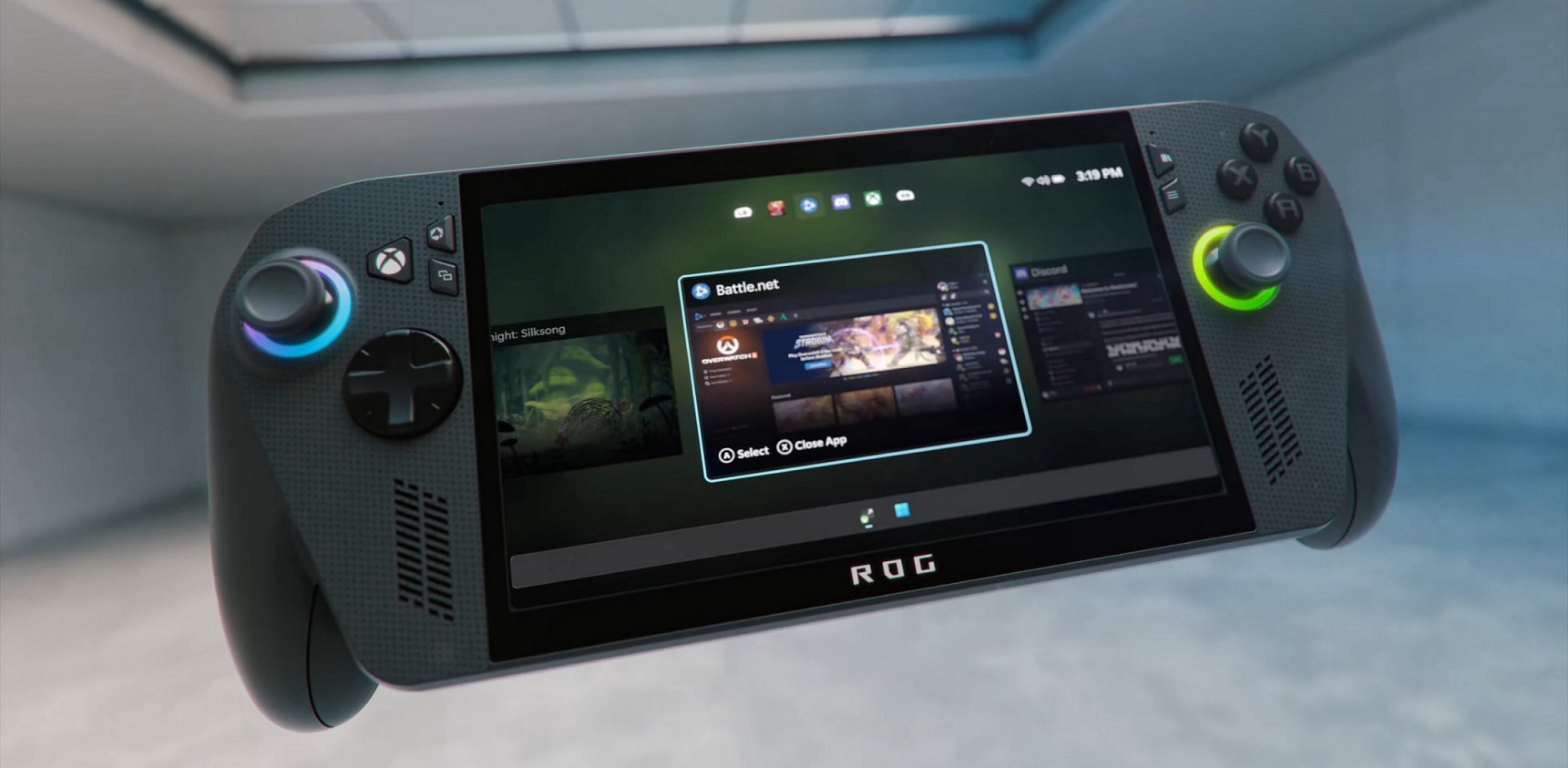
Beyond the console, GDC also saw the unveiling of Xbox mode for Windows 11, which will begin rolling out in select regions starting in April. An early version of the feature debuted on the ROG Xbox Ally handhelds, and now Microsoft is bringing it to standard PCs.
The mode lets users switch between a regular desktop environment and a full-screen, controller-optimized gaming interface, while keeping the openness of Windows intact.
The Xbox Play Anywhere program – which lets players buy a game once and carry their progress across devices – has grown to over 1,500 titles. More than 500 development teams have already shipped games with Play Anywhere support, and over 5,000 studios worldwide are currently building for Xbox.
Xbox has a packed release lineup this year, including the return of flagship franchises Halo and Gears of War, major partner titles like Crimson Desert from Pearl Abyss, and indie releases such as Mixtape from Beethoven & Dinosaur.