Kojima Productions CTO explains why the studio has stuck with Decima engine for nearly a decade

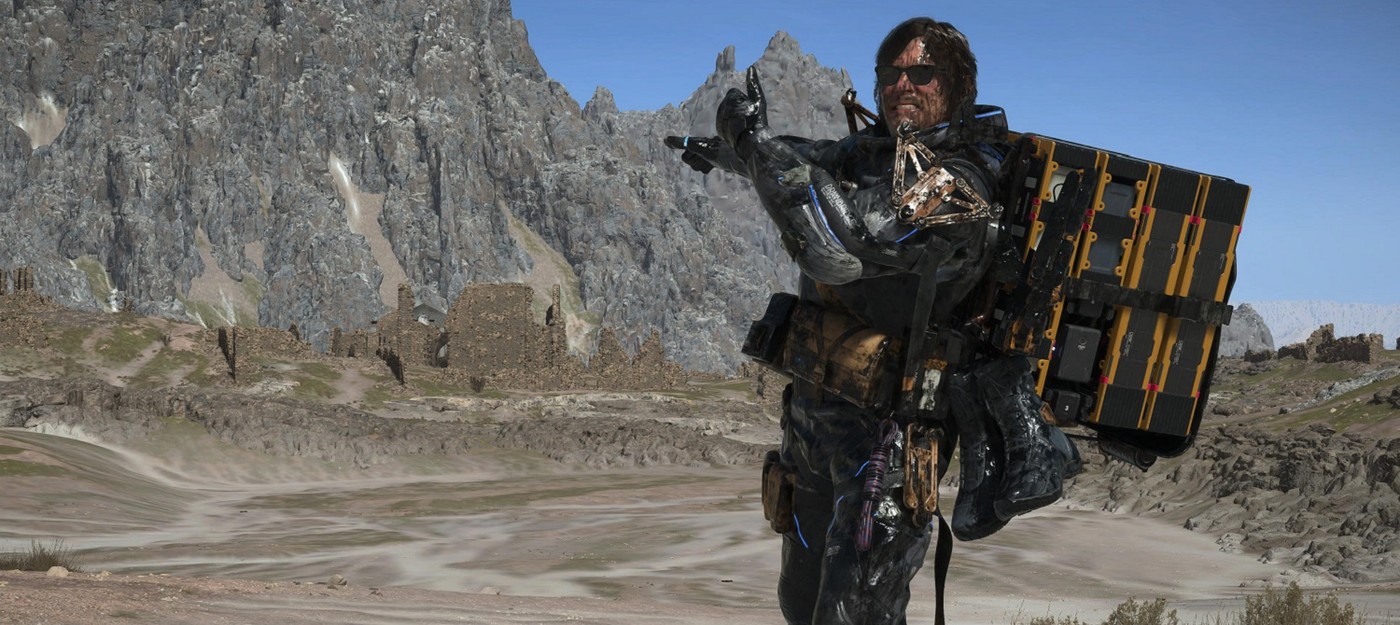
Kojima Productions CTO Akio Sakamoto spoke about the advantages of Guerrilla Games' Decima engine, which the studio has been using for the Death Stranding series.
When the developers were looking for the right technological foundation for their projects, Decima stood out from the alternatives.
It has now been nearly ten years since we began using the engine. While no engine is the best choice in every scenario, Decima enables us to accomplish many things that would be difficult to achieve elsewhere.
It offered many of the capabilities needed to build an open-world game. While some aspects are less immediately approachable than commercial engines, its runtime rendering analysis tools stood out.
One of the most impressive aspects of the series has always been the sheer scale of its worlds. What looks at first glance like background scenery – like the snow-capped mountains in the original Death Stranding – turns out to be fully traversable terrain that players walk right through mid-game.
Death Stranding 2: On the Beach pushes the engine even further. The opening scene presents a vast expanse of sandstone formations, and the technical demands that come with it.
The final polygon count reached approximately 25 million, yet the scene still maintained a stable frame rate.
Sakamoto noted, crediting Decima's rendering capabilities. The engine has also helped foster an ongoing collaboration between Guerrilla Games and Kojima Productions – when the latter modifies Decima for its own needs, those changes get shared with the Horizon team.
Sakamoto says:
I'm not sure whether our contributions warranted a Special Thanks credit in Horizon Forbidden West.
At a time when many studios are migrating to Unreal Engine – CD Projekt RED among them – seeing a studio stick with and refine a bespoke solution is genuinely refreshing. Kojima Productions shows no signs of switching anytime soon.
- Games industry veteran showed how the industry has changed using GTA: San Andreas as an example – the budget was $10 million, and revenue exceeded $600 million in a year and a half
- ARC Raiders' success has led the Embark Studios team to burnout
- WARDOGS head says GTA 6 missed a chance to change pricing policy in the gaming industry