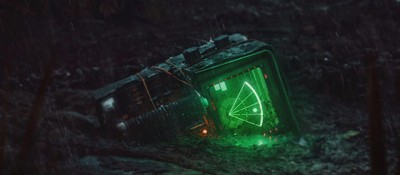
Artist creates custom game engine with CRT display simulation in 100 days

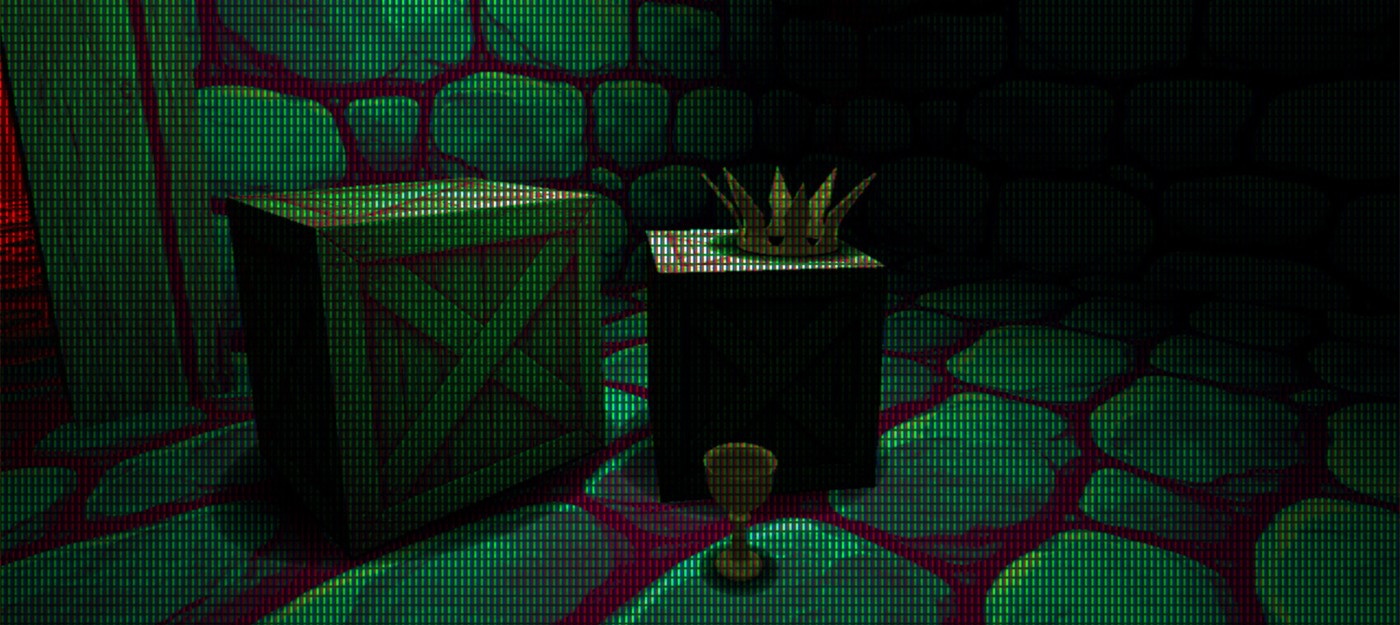
Indie developer Analog Dream Dev marked 100 days of developing their own game engine RetroEngine, built from scratch on Direct3D 12. The developer, originally an artist with no programming experience, documents the entire creation process in a series of devlogs on their website.
The key feature of RetroEngine is a physically accurate cathode ray tube simulation that works not as a post-process effect, but as a real display system model. The engine recreates the behavior of CRT monitor phosphor coating, including shadow mask and aperture grille patterns, electron beam movement, and temporal decay of pixel luminance. All elements are procedurally generated in shaders without using textures.
Over the past week, level creation tools were added: texture animation, smart object copying with automatic distance calculation, and a "chunks" system – ready-made environment blocks that can be reused. Previously implemented features include basic lighting, 3D model loading, and material and texture systems.
The developer faced numerous technical challenges. One of the most difficult was implementing the CRT screen phosphor persistence effect. Early attempts resulted in the image turning green or going completely dark. The solution came through rethinking the physics – instead of accumulating light, the system now only decays, just like a real monitor.
According to the creator, the engine runs stable at 60 frames per second. The developer continues adding features and plans to work on physics and object collisions in the future. Progress can be followed on Twitter.