SK Hynix invests $13 billion in new facility amid AI memory supply crisis

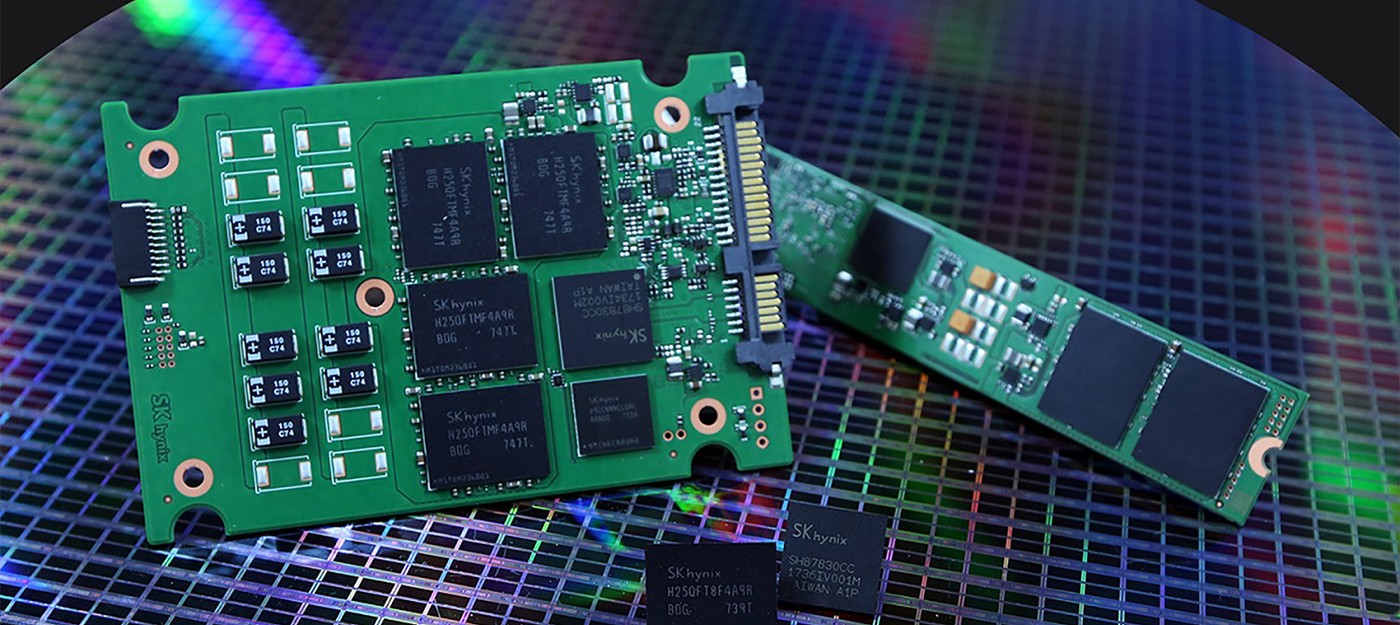
SK Hynix announced an investment of 19 trillion won ($12.9 billion) in a new advanced chip manufacturing facility in Cheongju, South Korea.
SK Hynix serves as one of the leading suppliers of high-bandwidth memory (HBM) for Nvidia's AI accelerators. According to Bloomberg, construction of the chip packaging facility is scheduled for April this year, but won't be able to meet demand until completion in late 2027. The company previously announced an additional $500 billion investment in building four new memory fabs, with the first also targeting a 2027 launch.
Chey Tae-won, chairman of parent group SK Group, recently spoke at the SK AI Summit in Seoul, stating:
We have entered an era where supply has hit a bottleneck. Many companies are sending us requests for memory chip supplies, and we are thinking hard about how to meet all the requirements.
Limited memory supply is constraining the construction of new data centers, and SK Hynix isn't the only company announcing plans to address the situation. Memory manufacturer Micron also unveiled plans for a megafab in New York.
Clearly unwilling to fall behind in the global AI arena, Micron will create the largest semiconductor facility in the United States, investing $100 billion in the project. Construction will begin in Onondaga County after environmental review and obtaining necessary permits.
Last year, Micron closed its consumer brand Crucial, focusing on AI data center supplies, though the release of the Micron 3610 NVMe SSD showed the company still wants to maintain a presence in the consumer segment. Like many memory manufacturers, Micron sees the economic situation remaining extremely favorable for meeting AI sector demand, with SK Hynix projecting HBM market growth averaging 30% annually between 2025 and 2030.
However, even with billions of dollars from two major memory manufacturers, don't expect relief from the crisis by year's end. All these projects will take more than a year and aren't oriented toward satisfying consumer demand. Moreover, even with increased memory production, demand from AI data centers is growing even faster – some observers predict the memory supply crisis could extend until 2028 and beyond.