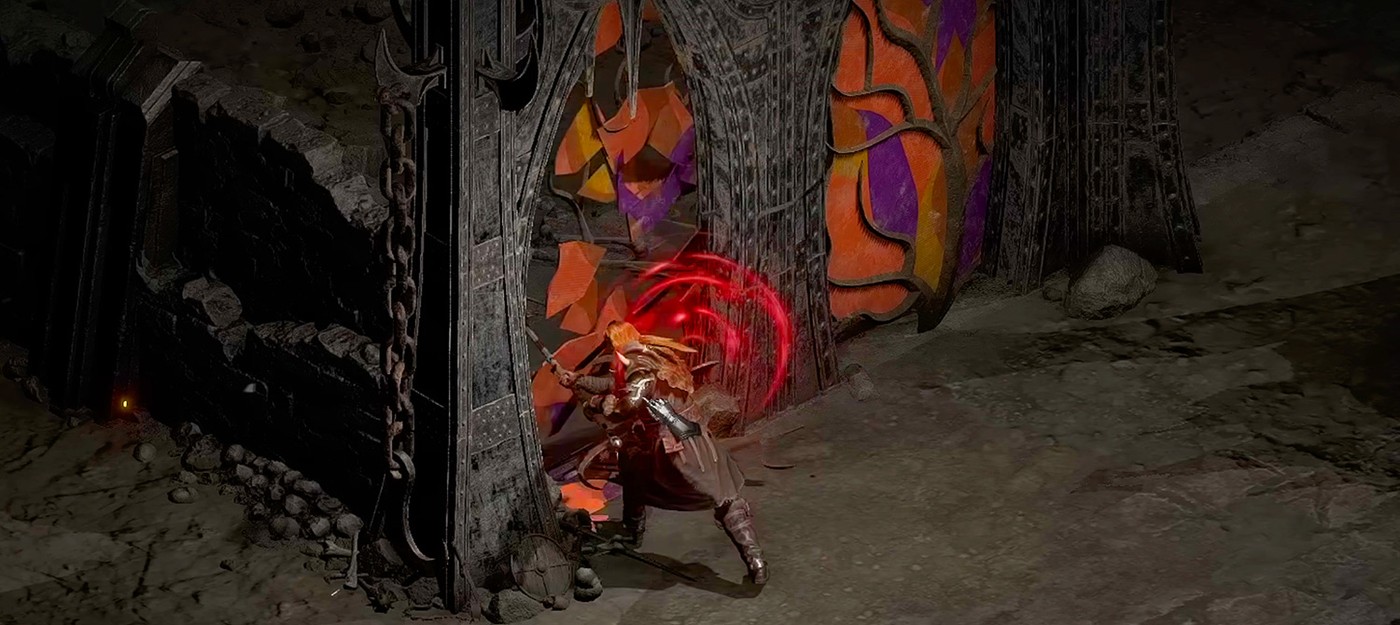
Diablo 2 researcher discovered that the cathedral's stained glass windows from the fourth act turned out to be monsters, and they can be broken

A breakdown of strange locations in Diablo II made veterans with twenty-five years of experience admit that some of these spots they'd never actually seen. This isn't about hidden levels, but objects players ran past thousands of times. Each one has an explanation, whether in dialogue or buried in the game files.
The clearest example sits in act one. Past the Tamoe Highland lies the Monastery Gate, and it's not just set dressing – it's a full location with its own name. A large arch with a lowered wooden portcullis leads through the mountain pass east, into the Wilderness of Aranoch.
Warriv explains the point of this structure within the first few minutes of the game. The caravan leader mentions that the Dark Wanderer headed east toward the pass guarded by the Sisters' Monastery, and shortly after that the gate closed and monsters flooded the area. With the path blocked, the caravan sits camped, and the hero entire motivation in act one hinges on that detail.
After Andariel dies, the gate presumably opens, and Warriv takes the hero to Lut Gholein. A separate detail spotted in a recent breakdown by researcher-YouTuber Coooley is that this arch remains the only passage in the area large enough for a horse-drawn wagon. The dialogue explains the object in the world, and the object explains the dialogue, but few players ever notice the connection.
The second find looks a lot stranger. In the City of the Damned in act four, a cathedral occasionally generates, and inside it stand stained glass windows that the game treats as monsters. The in-game name for this creature is An Evil Force; the remaster renamed it Stained Glass Window.
Deckard Cain wrote the lore for them. According to him, the Lord of Terror filled inanimate objects with his presence, and the windows themselves have no mobility and wield no magic. Cain speculates they serve as a warning system, alerting Hell denizens to uninvited guests.
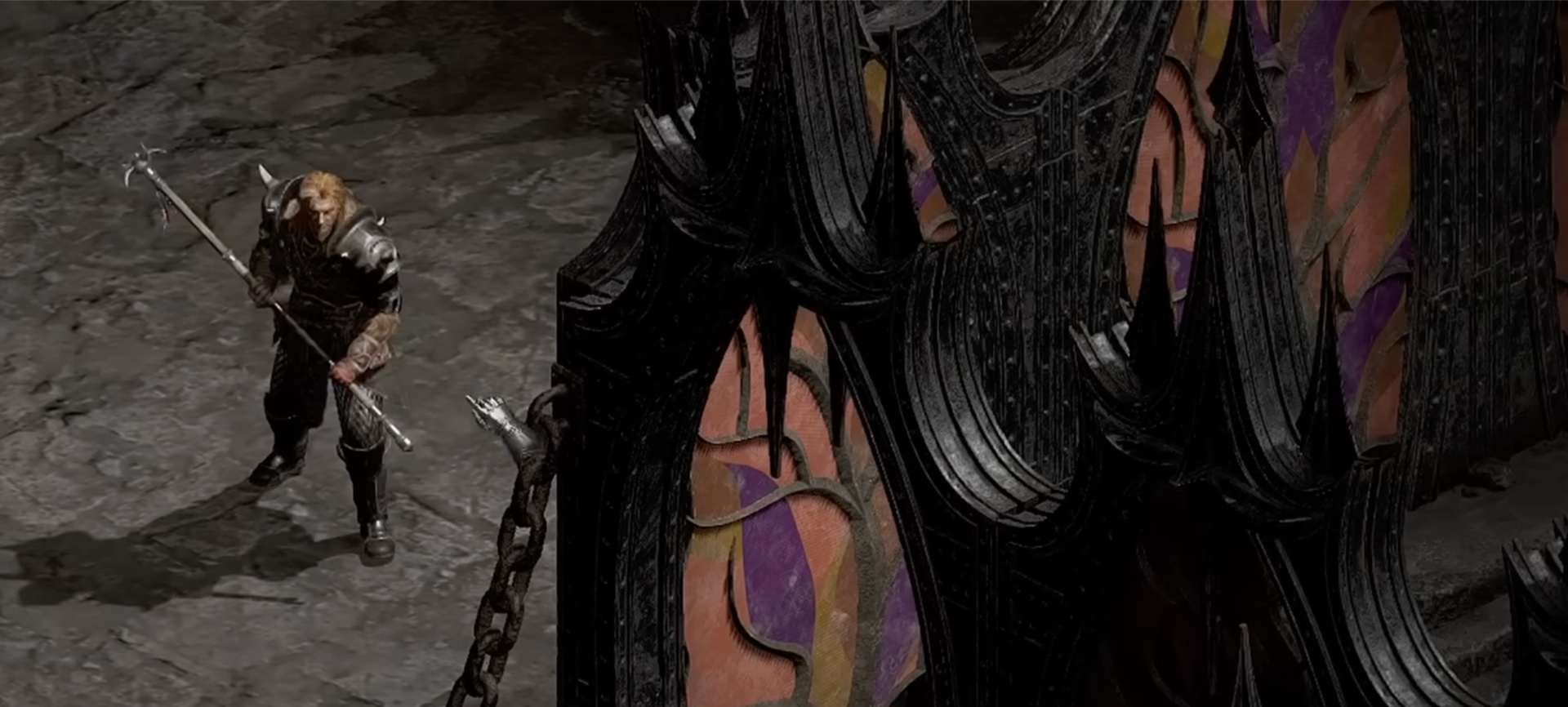
The practical side is awkward even for those who tracked them down. The windows break, but nothing drops from them, and shattering them takes a while, which leads some players to mistake them for a bug entirely. In terms of rarity, they rank alongside the Unraveler and count among the rarest creatures in the game.
They also have behavior the lore never covers. Players noticed that after a map section unloads from memory, the windows change position, and the shards left behind after destruction exist as separate objects. Fans asked developers on the official forum back in 2022 whether this was a bug or an unfinished easter egg, but never got an answer.
The most convincing explanation came from the community itself, and it's purely technical. The developers needed a destructible object spanning the full height of an opening that deals damage when broken, while every other trap in the game worked differently – through fire, poison, or summoned undead.
Turning the stained glass into a monster with a shattering-glass death animation turned out to be easier than building a separate system for it.
A separate category of strange spots has nothing to do with design and belongs entirely to the history of early-2000s online play. Shared stashes between characters didn't exist back then, so players moved items by hand, dropping them on the ground and logging in with a different character in the same game. They'd pick a spot where the items weren't immediately visible.
Diablo II players still remember the classic hiding spots from different acts:
the space behind the counter in Atma's tavern in Lut Gholein
the balcony next to Jerhyn's chambers
the far end of the dock in Kurast harbor
the backyard of a house in Harrogath
the area behind a house in the southwestern part of Lut Gholein
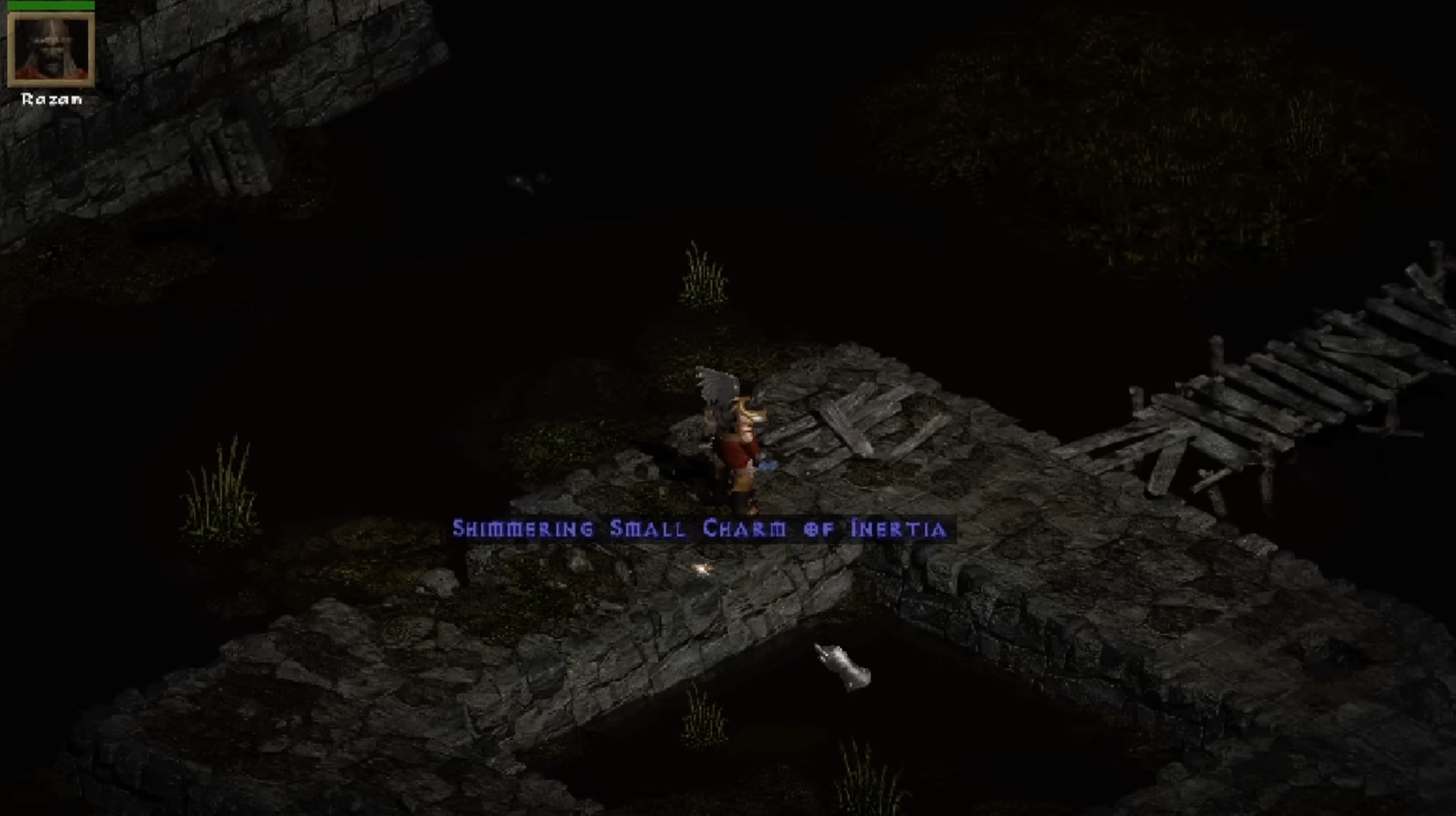
An entire profession grew out of this mechanic. Thieves would join other people's games, find abandoned items, and take them, while the especially bold ones would pick items up and return them, claiming the spot was a bad choice. A dropped connection mid-transfer meant losing everything, and the disconnect message became a genuine source of trauma for players back then.
Direct trading worked no better. Both players would drop items and run in a circle around a pond or platform, grabbing each other items, leaving a window of a second for someone to cheat. One particularly elaborate scheme involved Annihilus charms, which couldn't be transferred directly at the time, so one side would turn the dropped item into a necromancer iron golem instead.
The original game developers noted a few years ago that Diablo II still holds secrets they themselves don't know about, and the stained glass windows in the act four cathedral still stand there unexplained.
- Blizzard is reworking the leveling curve in Diablo 4 for the Lord of Hatred expansion
- Paid Warlock class broke the balance in Diablo 2, and the community is split on what to do about it
- You can rob caravans and get thrown in jail in Crimson Desert