Total Solar Eclipse 2026 – Where is the Best Place to Watch

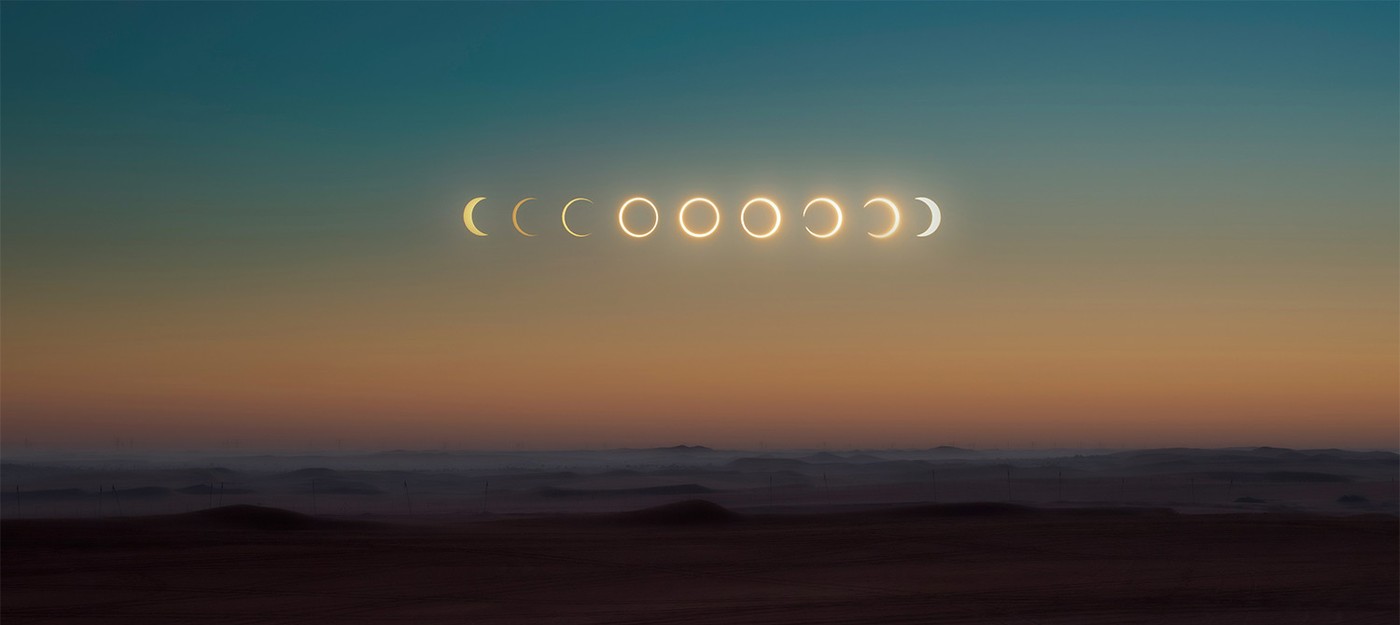
The total solar eclipse on August 12, 2026, is shaping up to be a big deal for astronomy fans. It's the first total solar eclipse since 2024, and it happens to line up with the annual Perseid meteor shower.
This eclipse stands out for its unusual duration, since it coincides with lunar perigee. At that point, the Moon appears larger because it sits at the closest point of its orbit to Earth. Not everyone will be able to see it, but many regions will catch at least a partial covering of the Sun.
While the 2024 eclipse was centered over North America, this time the best views will go to observers in Spain and Iceland. Other locations will still catch the event, just outside the path of totality, where the Moon fully blocks the Sun.
Where to watch the 2026 eclipse
The best viewing spots sit in western Iceland and northern Spain. Totality will last longest in Látrabjarg, Iceland, and will also be visible from Reykjavik, Ísafjörður, and every other town along the west coast.
Spain, though, is probably the better option overall. The path of totality crosses far more land in Spain than in Iceland, which improves the odds of finding a good viewing spot, and the weather there in August runs about 20 degrees warmer.
In Spain, Bilbao, Burgos, Palma, Santander, Valencia, Valladolid, and Zaragoza will all get a full view of the eclipse. A small slice of northeastern Portugal, specifically the Montesinho Natural Park in Bragança, also falls within the path of totality.
A handful of spots in Russia and Greenland will catch the total eclipse too, but they're remote and hard to reach without a dedicated expedition.
How to stay safe during the eclipse
Looking directly at a solar eclipse is only safe during the brief period of totality. At any other time, doing so can cause serious and permanent eye damage.
Since totality won't occur anywhere outside Spain and Iceland, everyone else watching will need eye protection the entire time. Regular sunglasses or binoculars won't cut it, and even the most advanced smart glasses won't protect your vision either.
Anyone who wants to look directly at the eclipse will need dedicated eclipse-viewing glasses or solar filters instead. Photographing the eclipse also requires a special lens filter. It's worth double-checking that any product you buy is actually up to standard before relying on it.
As an alternative, building an indirect projector is simple enough. The most common option is a pinhole camera, a basic device with instructions available on NASA official website.
You can also use everyday household items with small holes, a colander is a popular choice, or even your own hands, crossing your fingers to form a grid. Stand with your back to the Sun, let the light pass through the holes onto another surface, like a wall or the ground, and you'll see the outline of the eclipse take shape.