PlayStation 6 might ship with 24 GB of RAM instead of 32 GB as Sony tries to keep costs down

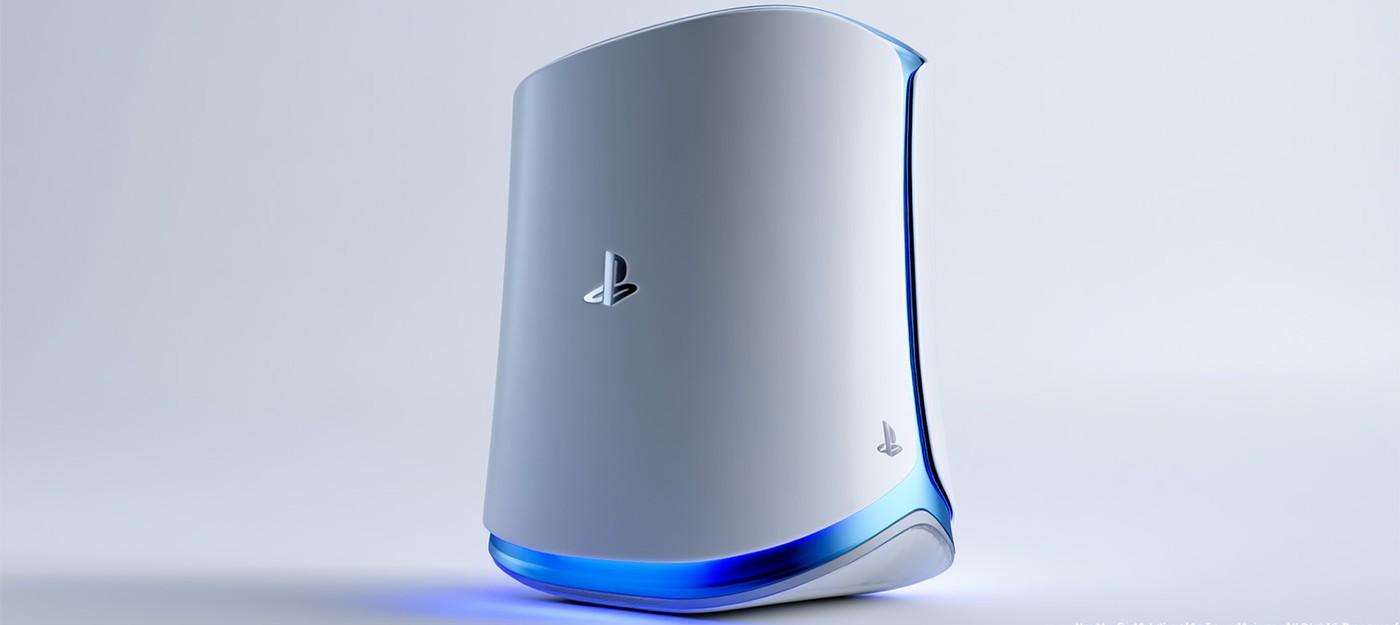
During a recent earnings call, Sony executives acknowledged that the PlayStation 6 release window remains undecided. The culprit is an ongoing memory shortage that has driven component prices high enough to push the console's total cost beyond what most consumers would consider reasonable for a gaming platform.
According to well-known AMD insider KeplerL2, the only realistic way for Sony to keep the PlayStation 6 at an acceptable price without gutting its specs is to cut the memory bus width and reduce the system's total RAM.
"Cutting specs that heavily defeats the purpose of a next-gen console. I think the only reasonable cuts are keeping the 1TB SSD and (if truly necessary) dropping to a 128-bit bus with 24GB of VRAM."
Some questioned whether narrowing the memory bus to 128 bits would actually save enough to matter, but KeplerL2 pushed back on those doubts.
"That's a $60 reduction in cost at current G7 prices, plus you get improved SoC die yield from being able to bin out defective memory controllers."
Narrowing the bus wouldn't require a major APU redesign – just disabling one memory controller. Other participants in the discussion pointed out that trading bus width to preserve total memory capacity wouldn't be ideal, but developers would "much rather have 24GB at slightly lower bandwidth," as KeplerL2 put it.
There's some precedent for this logic. Doubling the RAM in the Nintendo Switch allowed it to run something like Final Fantasy VII Remake better than expected, suggesting memory capacity can matter more than raw bandwidth in practice. And 24 GB would still be a meaningful jump over the 16 GB in PS5.
If current economic conditions force Sony to make spec compromises on the PlayStation 6, convincing PS5 owners to upgrade becomes a harder sell. The gap between generations needs to feel substantial enough to justify the purchase, and every spec cut makes that gap a little smaller.