PS6 still expected in late 2027, and the new Xbox may be 25% faster

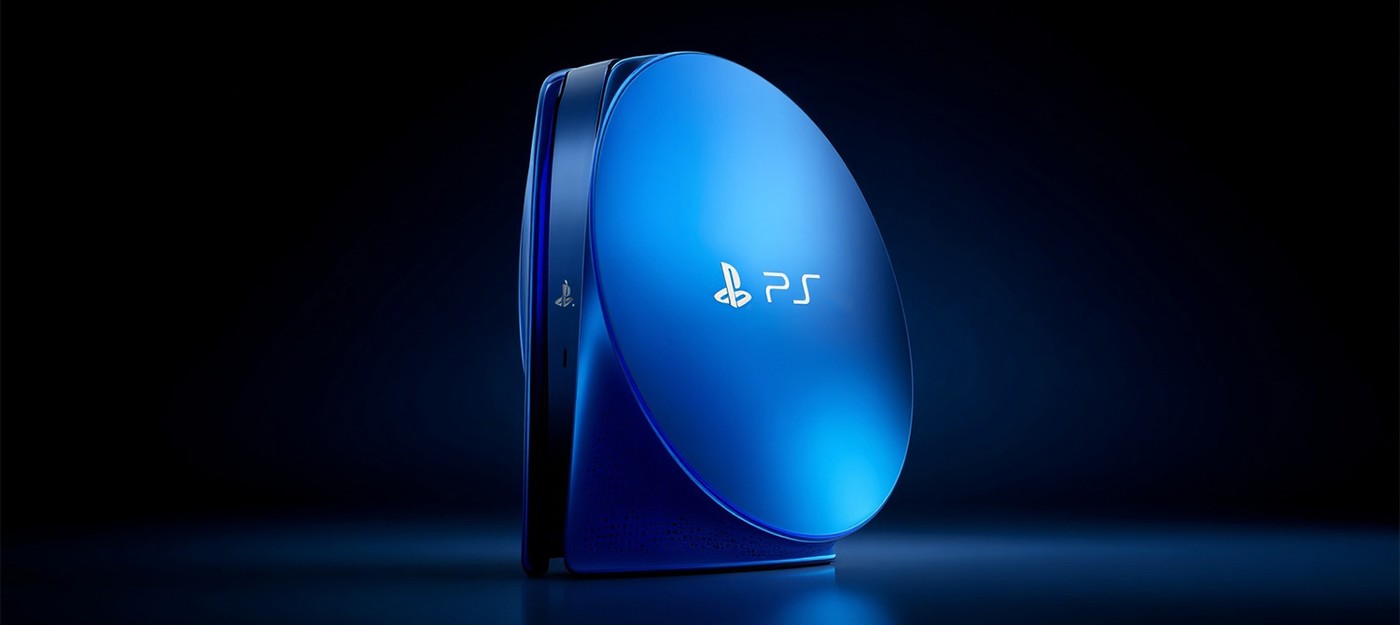
Despite the global memory shortage driven by the rapid growth of the AI industry, Sony is unlikely to push the PlayStation 6 back to 2029. That's according to well-known leaker Moore's Law Is Dead (MLID), who shared the information on his YouTube channel citing internal documents and industry sources.
According to MLID, the PS6 will "almost certainly come out in 2027, if not, probably early 2028. I do not think it will be delayed to 2029." He also claims to have seen documents outlining the terms of Sony's contracts with AMD and TSMC, which list Q2 2027 as the production start date.
If Sony shifts those timelines, it would lose its allocated 3nm manufacturing capacity at TSMC and risk being pushed all the way back to 2030.
The logic is straightforward – a delay would cost more than simply launching at a higher price. Sony has already paid AMD millions of dollars for the custom chip, and overpaying for RAM during the first six months of the console's life doesn't justify postponing the release. MLID also points out that Sony shipped the PS5 in 2020 at the height of the COVID-19 pandemic despite similar supply chain issues.
The worst-case scenario, per MLID, would be a six-month slip to April 2028, which would align with the US tax season. Sources familiar with the situation say memory prices should improve noticeably by the end of 2026 and get even better heading into early 2027. Sony will likely make the final call on the PS6 launch date at the start of 2027, right before manufacturing kicks off at TSMC.
Beyond the release timeline, MLID shared hardware details on both next-gen consoles. The PS6 will use AMD's Orion chip with a 280 mm² die built on TSMC's 3nm process. On the graphics side, it will feature 54 RDNA 5 compute units, while the CPU configuration consists of 8 Zen 6c cores paired with 2 low-power Zen 6 cores dedicated to the operating system.
That dedicated OS core setup, according to MLID, should free up around 20 percent more CPU headroom for games compared to the PS5, which had no such separation. Sony is targeting a 3 GHz GPU clock speed, which should translate to roughly 40 TFLOPS of performance – theoretically triple the rasterization capability of the PS5 and up to 12 times its ray tracing performance.
The new Xbox, codenamed Project Helix, will use AMD's Magnus chip with a significantly larger die at 408 mm², made up of a 144 mm² SoC and a 264 mm² GPU. The CPU side of Magnus includes up to 3 full Zen 6 cores and 8 Zen 6c cores with no dedicated low-power cores, while the GPU features 68 RDNA 5 compute units.
Thanks to those full Zen 6 cores instead of Zen 6c, Project Helix should have a stronger CPU than the PS6. Overall, MLID estimates Microsoft's console will be around 25 percent faster on paper. How that gap translates to actual games is another question – especially given that the new Xbox will essentially function as a mini PC.
The larger die also means higher manufacturing costs, so Project Helix will likely end up noticeably more expensive than the PS6.