AI Duel Helps Reconstruct Rules of Mysterious Roman Board Game

Artificial intelligence can already take notes during doctor appointments, help with schoolwork, and detect cancer... when it's not causing harm. Now researchers have applied AI to solve the mystery of an ancient board game.
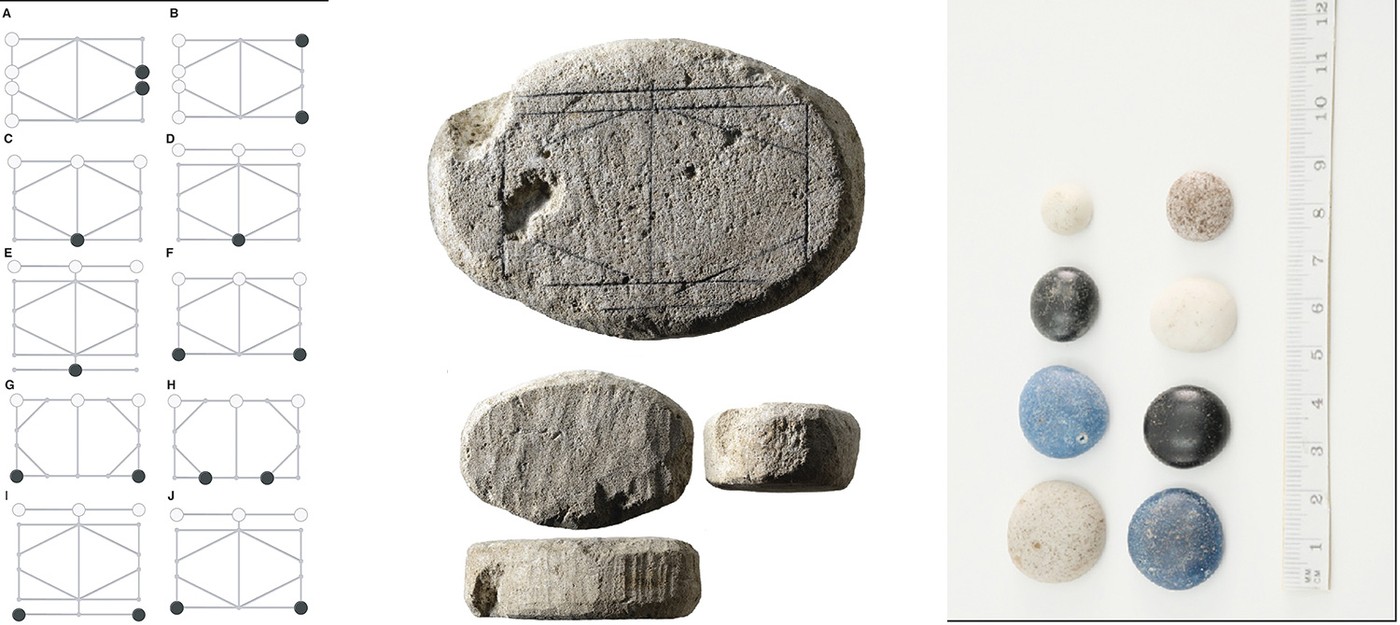
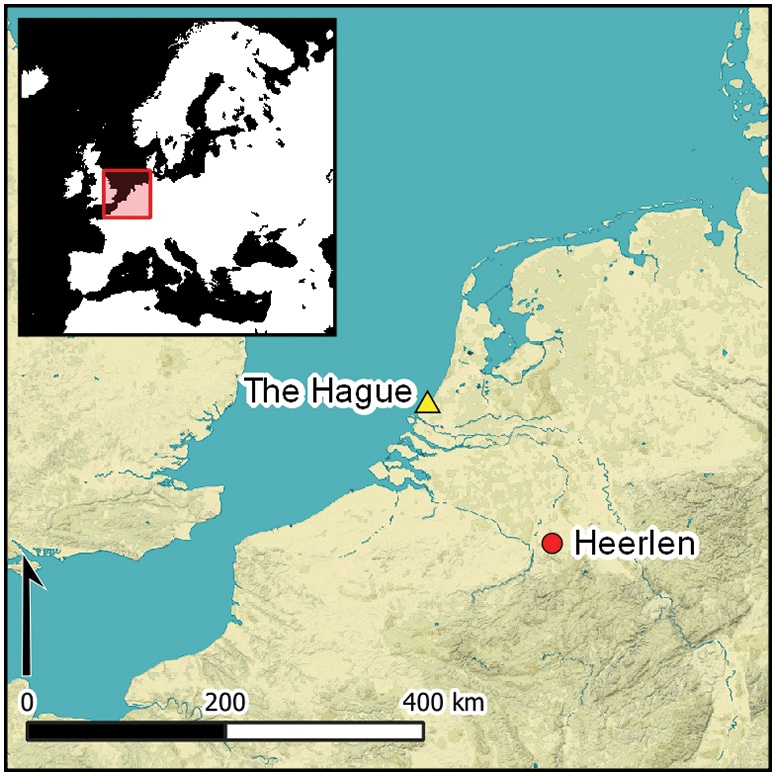
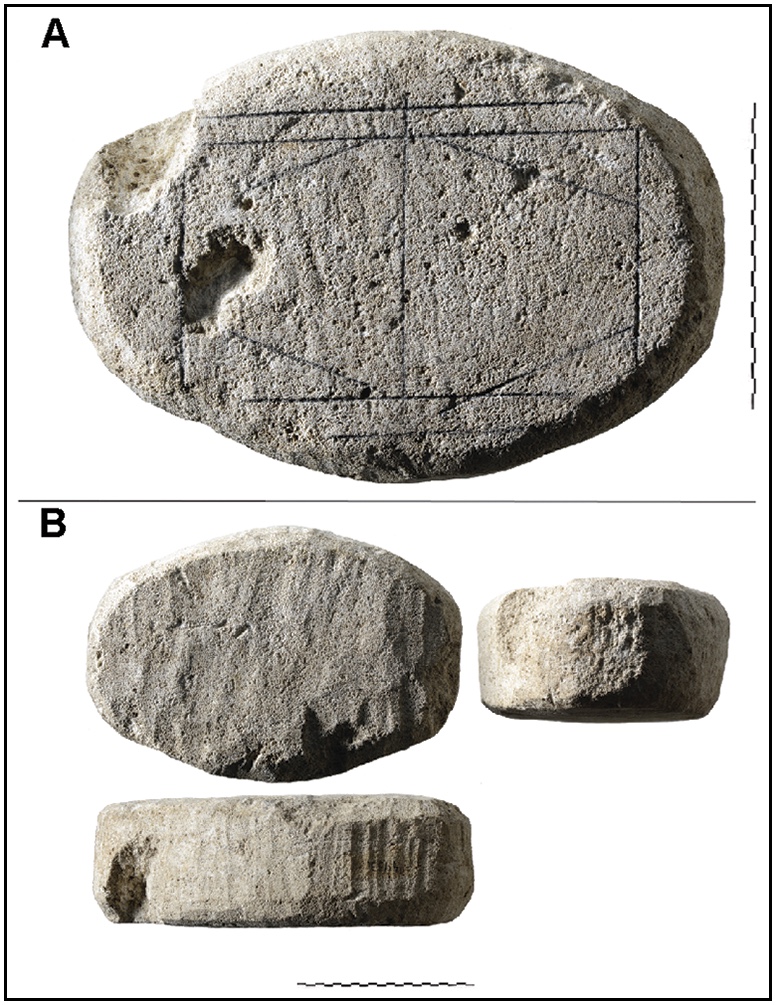
In the hands of a non-expert, the oval artifact from the Roman town of Coriovallum in modern-day Netherlands doesn't look like much of anything. However, geometric patterns on one side of the stone led scholars to believe they were looking at a game board. In a study published in the journal Antiquity, the team used AI to test this theory and reconstruct the possible rules of the game.
Lead author Walter Crist, an archaeologist at Leiden University specializing in ancient board games, explains:
We identified the object as a game because of the geometric pattern on its upper face and because of evidence that it was deliberately shaped. Further evidence that it was a game was presented by visible damage on the surface that would be consistent with abrasion caused by sliding Roman-era game pieces on the surface.
The problem is that the pattern doesn't align with any game known to researchers. Given the uneven distribution of damage along the board's lines, the team had two AIs play numerous matches of ancient European board games – including Scandinavia's Haretavl and Italy's Gioco dell'orso – until they found one that could have caused the stone's characteristic wear.
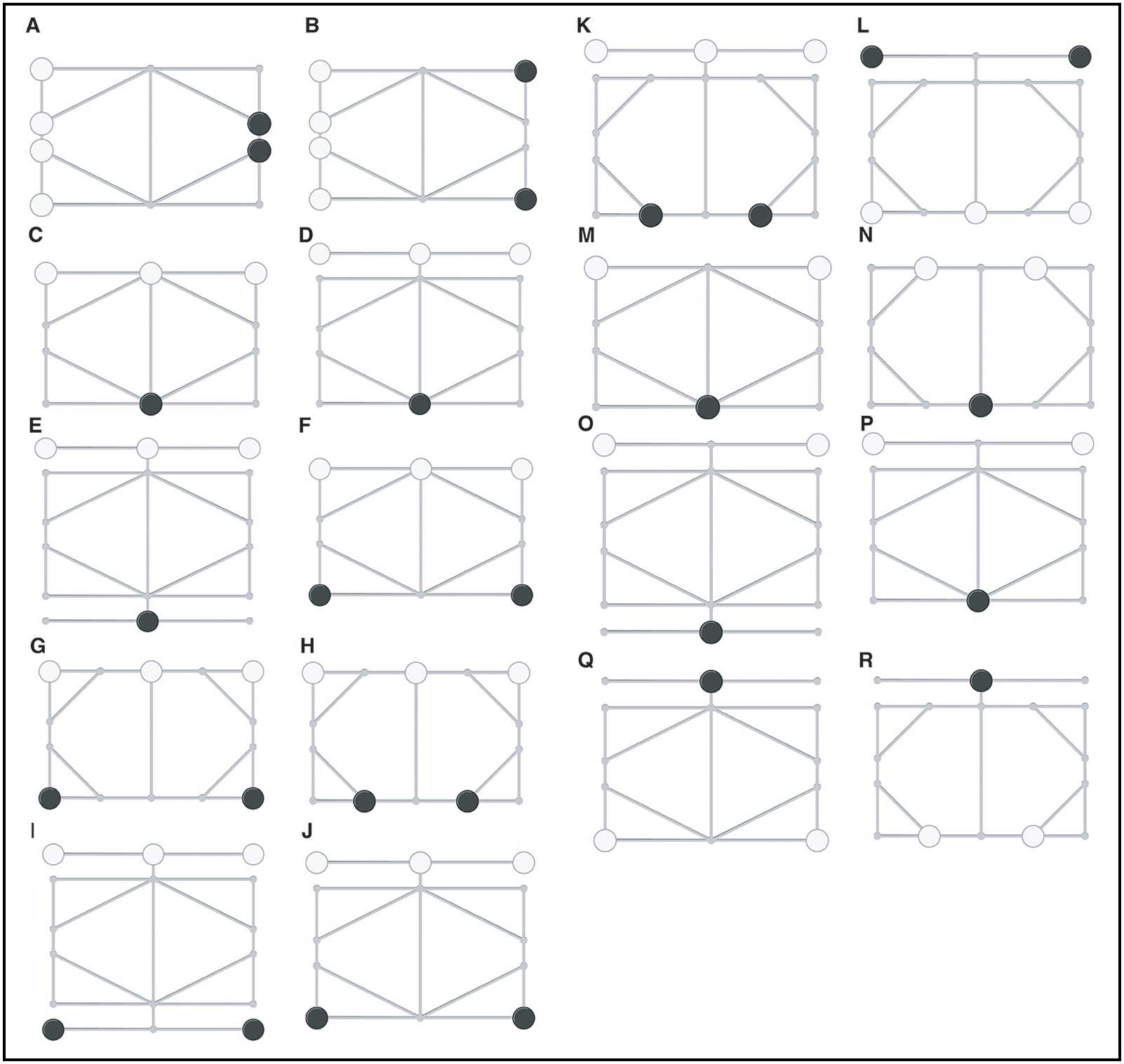
The approach revealed a match with blocking games – a type of board game whose objective consists of blocking the opponent's movement. This is the first time AI-driven simulated play has been used in concert with archaeological methods to identify a board game.
The research provides archaeologists with the tools to identify games from ancient cultures that are unusual or uncommonly played, since current methods for identification rely on connecting the geometric patterns that make up the playing surface to games that are known today from references in text, or from artistic representations of them.
Interestingly, previously known traces of blocking games in Europe only dated back to the Middle Ages. The discovery suggests that people may have played these types of games several centuries earlier than researchers thought.