Bill Gates-backed startup develops optical transistors running at 56 GHz to rival Nvidia AI chips

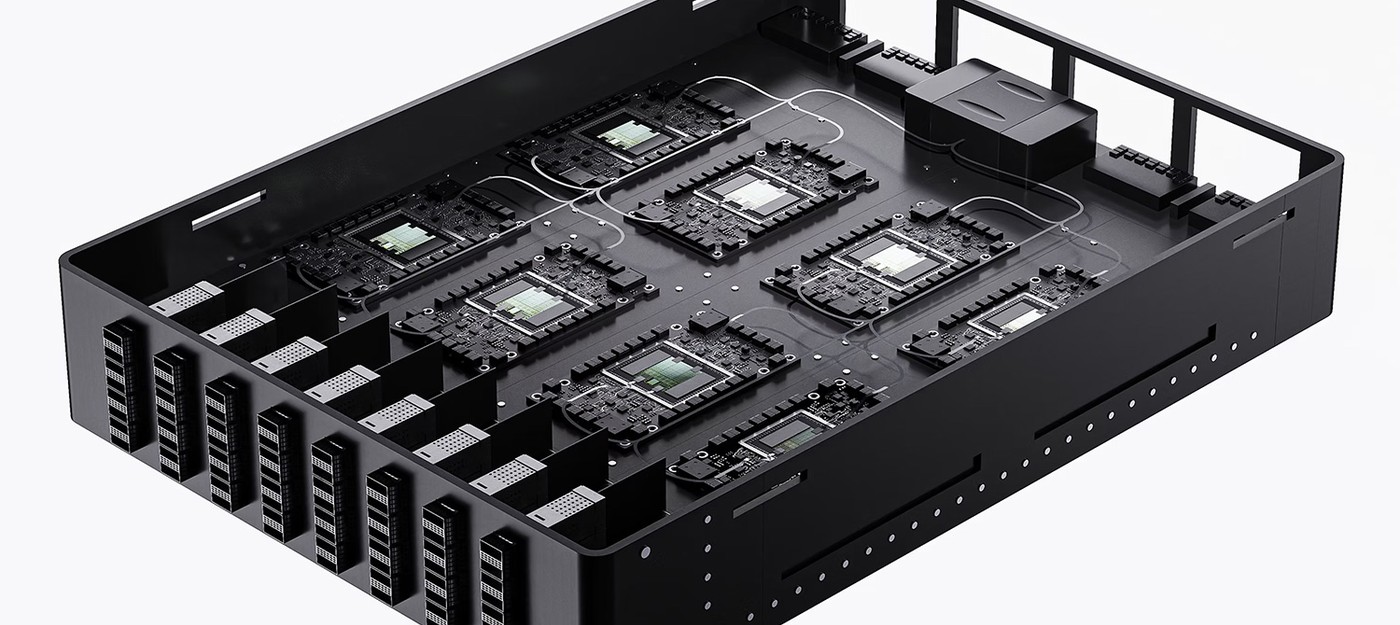
Texas-based startup Neurophos, backed by Bill Gates' fund, developed an optical processing unit that the company claims is ten times more powerful than Nvidia's Vera Rubin NVL72 AI supercomputer in FP4 and INT4 compute workloads while consuming similar power. The startup achieves these metrics through a significantly larger matrix and much higher clock speed.
The chip features a single photonic sensor measuring 1,000 by 1,000. This matrix is roughly 15 times larger than the standard 256 x 256 used in most AI accelerators. Meanwhile, the company managed to shrink its optical transistor by approximately 10,000 times compared to current solutions.
Neurophos CEO Patrick Bowen explained:
The equivalent of the optical transistor that you get from Silicon Photonics factories today is massive. It's like 2 mm long. You just can't fit enough of them on a chip in order to get a compute density that remotely competes with digital CMOS today.
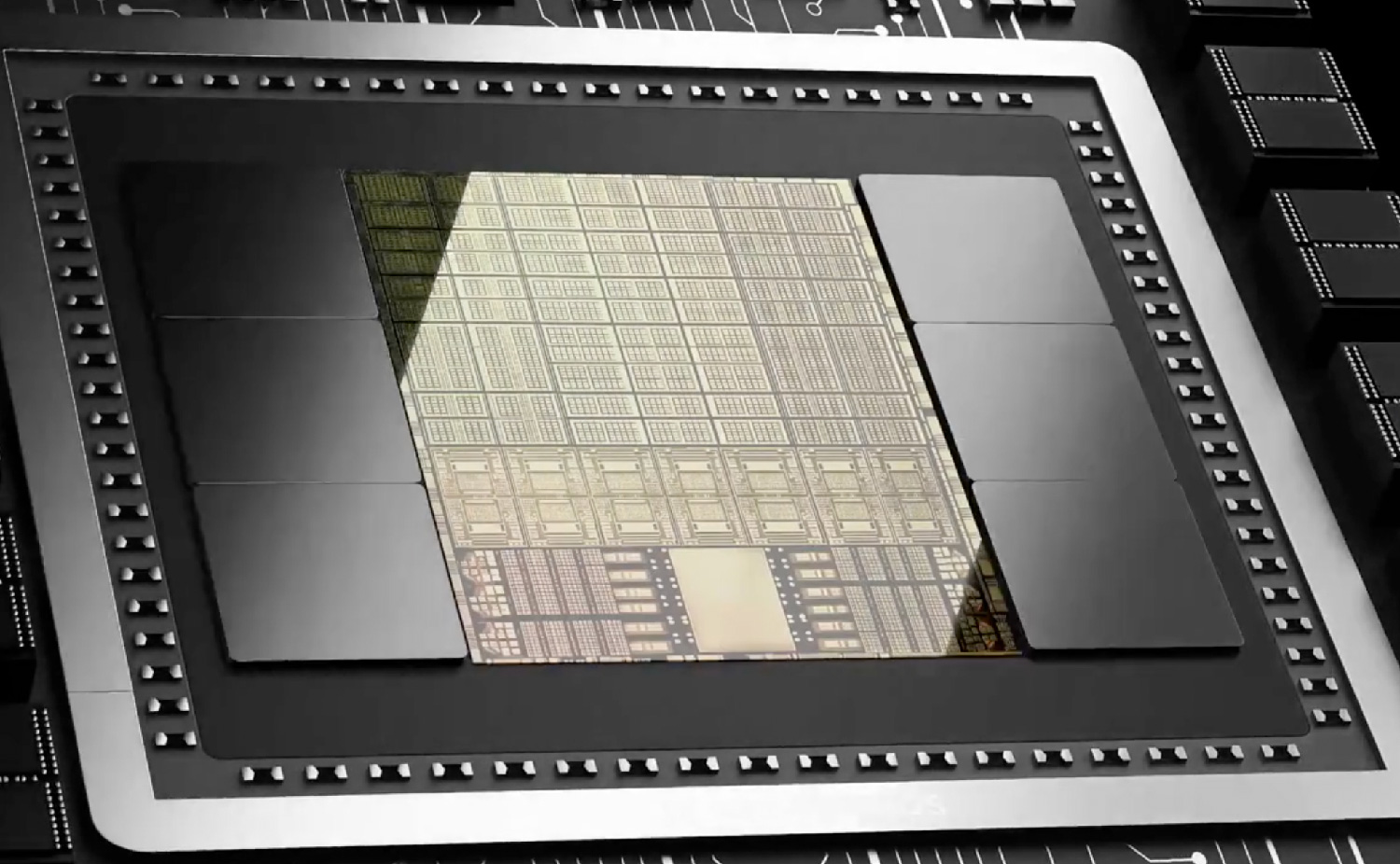
The first-generation accelerator will have "the optical equivalent" of one tensor core at around 25 square mm in size. By comparison, Nvidia's Vera Rubin chip features 576 tensor cores, but Neurophos compensates through a different approach. Beyond the larger matrix tile size, the company's first optical processor, the Tulkas T100, will operate at 56 GHz – substantially higher than the 9.1 GHz world record on Intel Core i9-14900KF and the 2.6 GHz boost clock of Nvidia RTX Pro 6000. This allows it to outperform Nvidia AI accelerators despite appearing less capable on paper.
The company noted that its optical transistors use existing semiconductor fabrication technologies, meaning it could potentially leverage fabs like Intel or TSMC for mass production. The chips remain in testing phase, with volume production not expected before 2028. Neurophos also faces challenges including the need for substantial vector processing units and static memory (SRAM).
Photonics has become a frontier attracting major players. Nvidia already uses Spectrum-X Ethernet photonics switch systems in its Rubin platform, while AMD plans to establish a $280 million hub specifically focused on silicon photonics research.