Treasure hunter who spent 10 years in prison for refusing to reveal where 500 gold coins are is finally free


Tommy Thompson – a former deep-sea treasure hunter behind one of the greatest shipwreck discoveries in American history – has walked out of prison after a decade behind bars, federal records show.
Thompson was locked up for refusing to reveal the location of 500 gold coins from a legendary sunken ship. According to Federal Bureau of Prisons records, he was released last Wednesday.
An Ohio-born research scientist, Thompson became famous in 1988 when his team located the S.S. Central America off the coast of South Carolina, more than 7,000 feet below the surface. The vessel was known as the "Ship of Gold." In September 1857, it sank during a hurricane along with 425 passengers and crew, taking down 30,000 pounds of federal gold – coins from the new San Francisco Mint intended to replenish bank reserves in the eastern U.S.
The disaster was one of the triggers of the economic panic that year. The treasure sat on the floor of the Atlantic Ocean for more than 150 years.
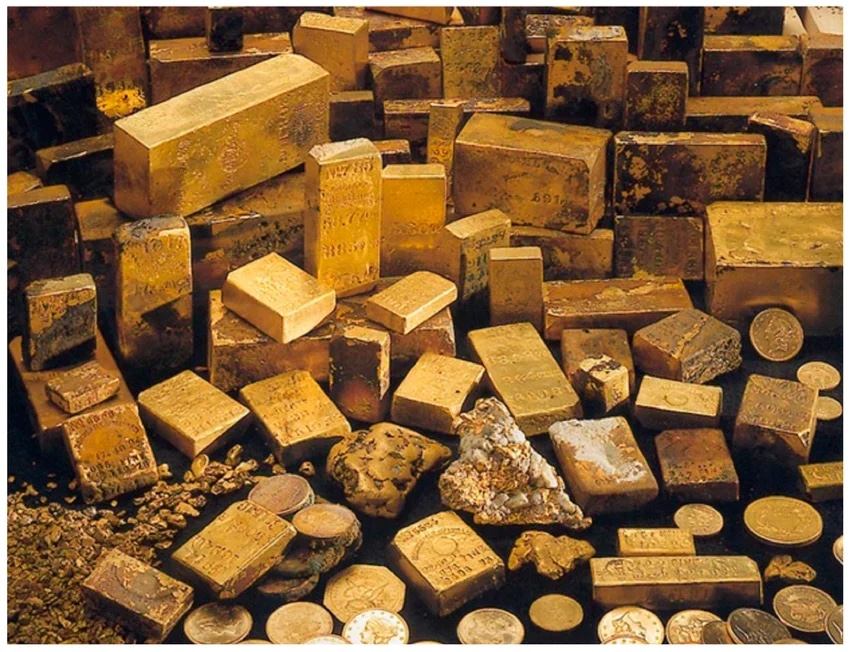
After the triumphant discovery came the lawsuits. In 2005, investors who had funded the expedition sued Thompson, claiming they never saw a cent from the $50 million sale of the recovered treasure – over 500 gold bars and thousands of coins.
Thompson went into hiding, and when an Ohio federal judge issued a warrant for his arrest in 2012 after he failed to appear in court, he became a fugitive. Three years later, authorities tracked him down to a Florida hotel where he had been living under a fake name.
At the end of 2015, a judge sentenced Thompson to prison for contempt of court – specifically for refusing to answer questions about the whereabouts of the missing coins, valued at the time at $2.5 million.
Thompson insisted that the coins had been transferred to a trust in Belize, and that the $50 million from the first gold sale had largely gone toward legal fees and bank loans.

Federal law generally caps jail time for contempt of court at 18 months, but in 2019 a federal appeals court rejected Thompson's argument that this limit applied to him, ruling that his refusal violated the terms of a plea agreement.
In 2020, at a video hearing, Judge Algenon Marbley once again asked Thompson whether he was ready to disclose the location of the gold.
"Your honor, I don't know if we've gone over this road before or not, but I don't know the whereabouts of the gold," Thompson responded. "I feel like I don't have the keys to my freedom."
A little over a year ago, Judge Marbley agreed to end the contempt sentence, concluding that keeping Thompson incarcerated was unlikely to produce any new answers.
Thompson is now 73.
Dwight Manley, a California coin dealer who bought and sold most of the recovered fortune, was blunt in his assessment:
"Going to prison for 10 years over a business dispute is not America," Manley said. "People kill people and get out in half the time."
Ryan Scott, a University of Florida law professor who studies contempt law and worked to secure Thompson's release, called the whole affair a failure of justice:
"It's very unusual to go on 10 years," Scott said, adding that Thompson should have been freed years earlier – at least by 2018, when the court dismissed the underlying case – calling it a "miscarriage of justice for this to have gone on this long."
Treasure from the S.S. Central America continues to command extraordinary prices at auction. In 2022, one of the largest ingots ever recovered from the wreck – an 866.19-ounce piece known as a Justh & Hunter ingot – sold for $2.16 million through Dallas-based Heritage Auctions.
In 2019, a collection of relics from the shipwreck brought in more than $11 million at auction. Back in 2001, an 80-pound ingot was purchased by a private collector for a record $8 million.
- There are still a hundred days until Avengers: Doomsday is released, and the movie has already earned more than $50 million in the US
- Rusty after 286 days at sea, the American aircraft carrier USS Abraham Lincoln reminded Fallout 3 players of Rivet City
- According to Sony's lawyers, any reasonable buyer understands that digital PlayStation games are not owned by them