Highguard's failure came down to leadership hubris and a misplaced belief they had the next Apex Legends

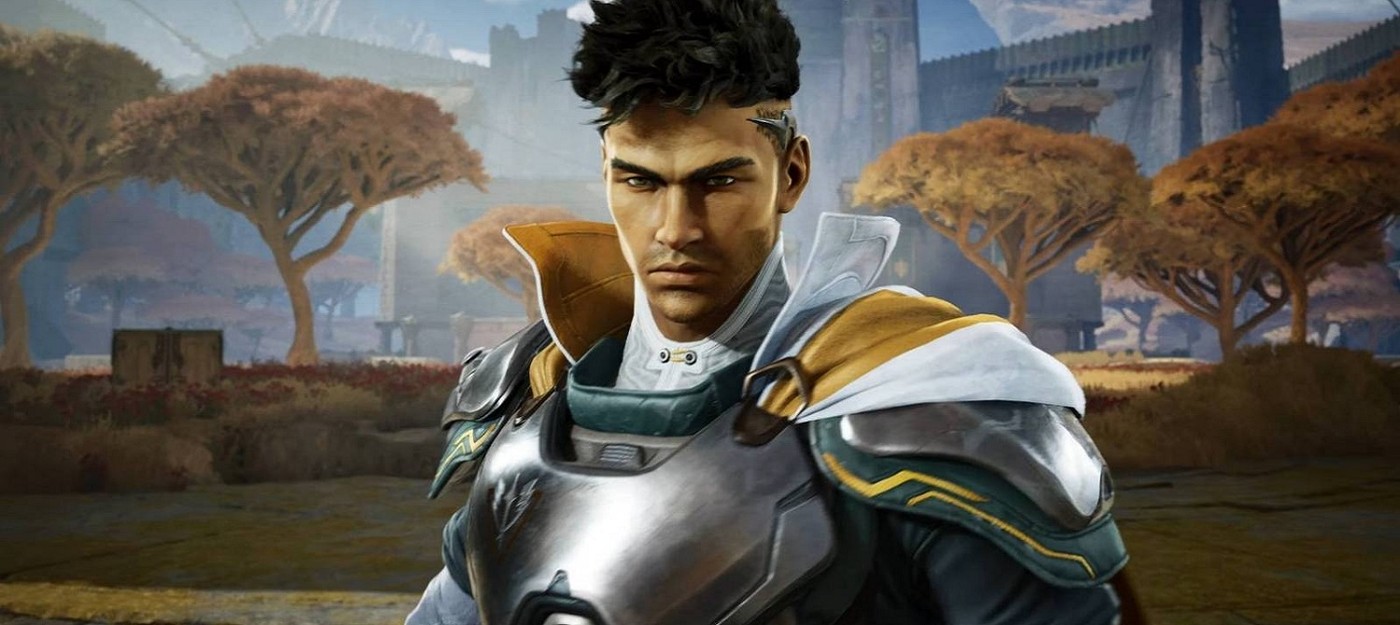
The story of Highguard reads like a string of missteps: an oddly timed Game Awards trailer, decent launch numbers, a round of major updates – and then, just weeks after release, the sudden layoff of most of the development team.
The game is technically still alive and receiving updates, but the coverage surrounding it has started to read more like obituaries. Bloomberg's Jason Schreier, for example, has a new report headlined "The Story Behind the Failure of Highguard," in which the veteran journalist spoke with ten former Wildlight Entertainment employees about "one of 2026's first gaming disasters — the sudden collapse of Wildlight Entertainment and its first game, Highguard."
As with most failures, the blame spreads across multiple factors – but Bloomberg's sources point most directly at "hubris." Early suggestions to open the game up for pre-release testing and gather player feedback were shot down by leadership, a group of Respawn veterans who were convinced they had the next Apex Legends on their hands.
The launch itself looked promising enough, with peak concurrent players on Steam hitting around 100,000. But user reviews didn't match those numbers, and the playerbase began dropping off fast. Retention quickly became Wildlight's biggest problem.
According to Bloomberg, Highguard shed roughly 90% of its player base within a single week. Even so, leadership reportedly remained confident that Tencent's funding would carry the studio for at least a few more months.
Two weeks after launch, Wildlight called an all-hands meeting where leadership told staff that Tencent had pulled its funding and that most of the 100-person team would be let go. Around 20 developers are still at the studio, reportedly trying to keep the game alive – but as Bloomberg notes, the current Steam charts don't leave much room for hope.