Hollywood and VFX specialists panic after release of AI video generator Seedance 2.0

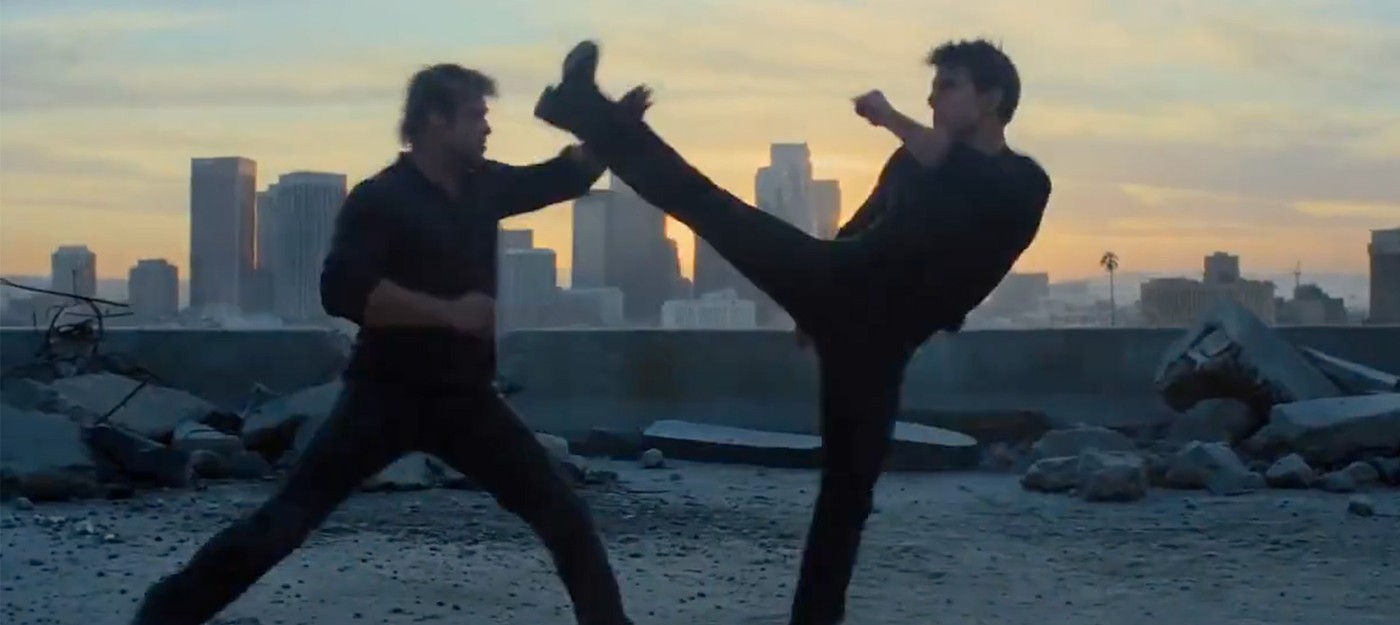
TikTok owners ByteDance released new video generator Seedance 2.0, triggering widespread concern across the film industry. A viral clip featuring Tom Cruise and Brad Pitt fighting, created using just two lines of text prompt, sparked the controversy.
"I hate to say it. It's likely over for us," wrote Rhett Reese, co-writer of Deadpool & Wolverine, Zombieland and Now You See Me: Now You Don't, reposting the 15-second video on social media.
Irish filmmaker Ruairí Robinson, director of 2013 sci-fi horror The Last Days on Mars, posted the clip showing Cruise and Pitt trading punches on a rubble-strewn bridge.
In next to no time, one person is going to be able to sit at a computer and create a movie indistinguishable from what Hollywood now releases. True, if that person is no good, it will suck. But if that person possesses Christopher Nolan's talent and taste – and someone like that will rapidly come along – it will be tremendous.
ByteDance released Seedance 2.0 on Thursday, and users immediately showcased the generator's capabilities online. A Chinese creator produced a dragon battle clip in just 30 minutes using only five reference images. Users note that similar CGI shots previously required massive VFX studios and multi-million dollar budgets – now the cost is practically pennies.
Meanwhile, the Motion Picture Association (MPA) accused ByteDance of "unauthorised use of US copyrighted works on a massive scale." MPA chair and CEO Charles Rivkin called on the company to cease violations:
By launching a service that operates without meaningful safeguards against infringement, ByteDance is disregarding well-established copyright law that protects the rights of creators and underpins millions of American jobs.
AI systems like chatbots, image generators and video-making tools train on data from the open web, including copyright-protected material – novels, art and film clips. This has led to demands for compensation from creative industries and lawsuits. Some companies, including Disney, have already signed deals with AI developers like OpenAI.
Beeban Kidron, a British filmmaker and crossbench peer in the House of Lords who actively campaigns against relaxing copyright protections, stated that AI companies must negotiate with the creative industries:
This is just the latest in a long stream of copyright abuses, but honestly from my conversations with both sides I believe there is a will between AI companies and the creative sector to make a deal. It seems to me that the AI sector needs to come to the table with a "real offer" that satisfies the creative industries. Otherwise we will have a decade of litigation and the destruction of an industry on which they depend.
Worth noting that while the showcased clips look impressive as 15-30 second snippets, they're far from full cinematic production. That said, there's little doubt social media will continue filling with similar slop lacking any cultural value.